Posted on

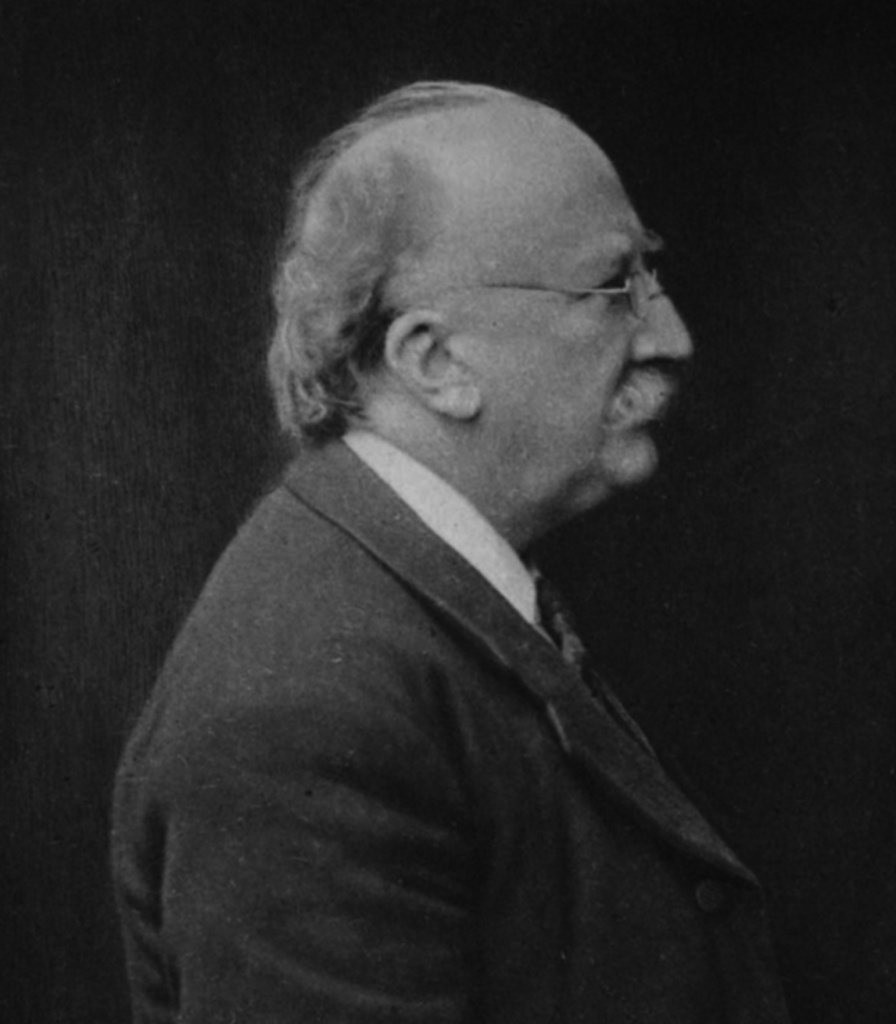
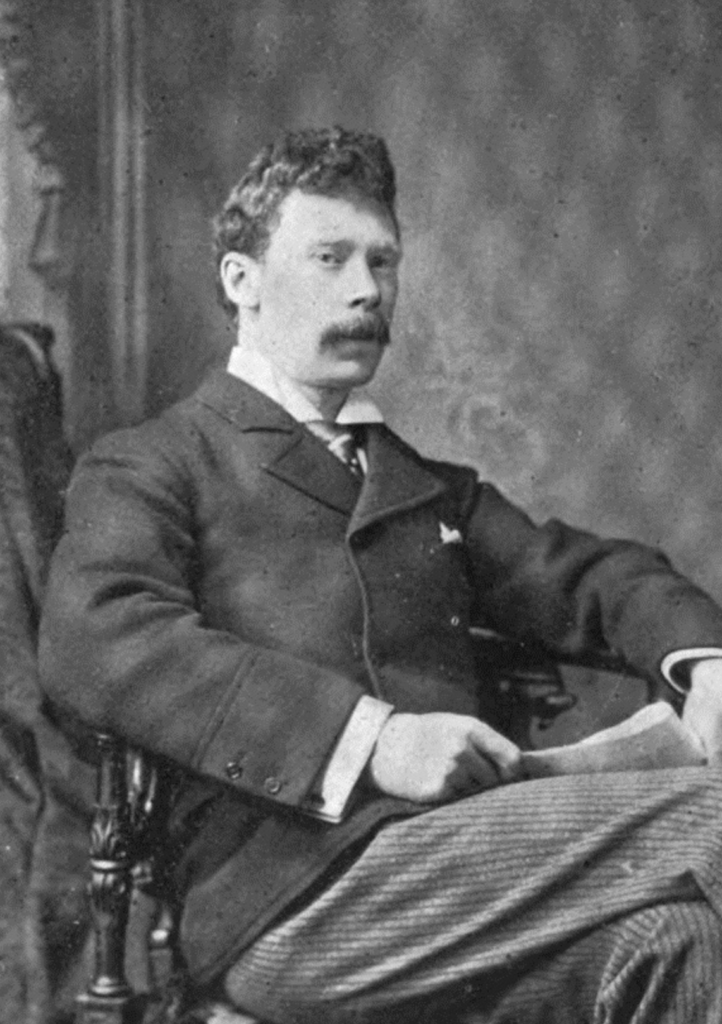
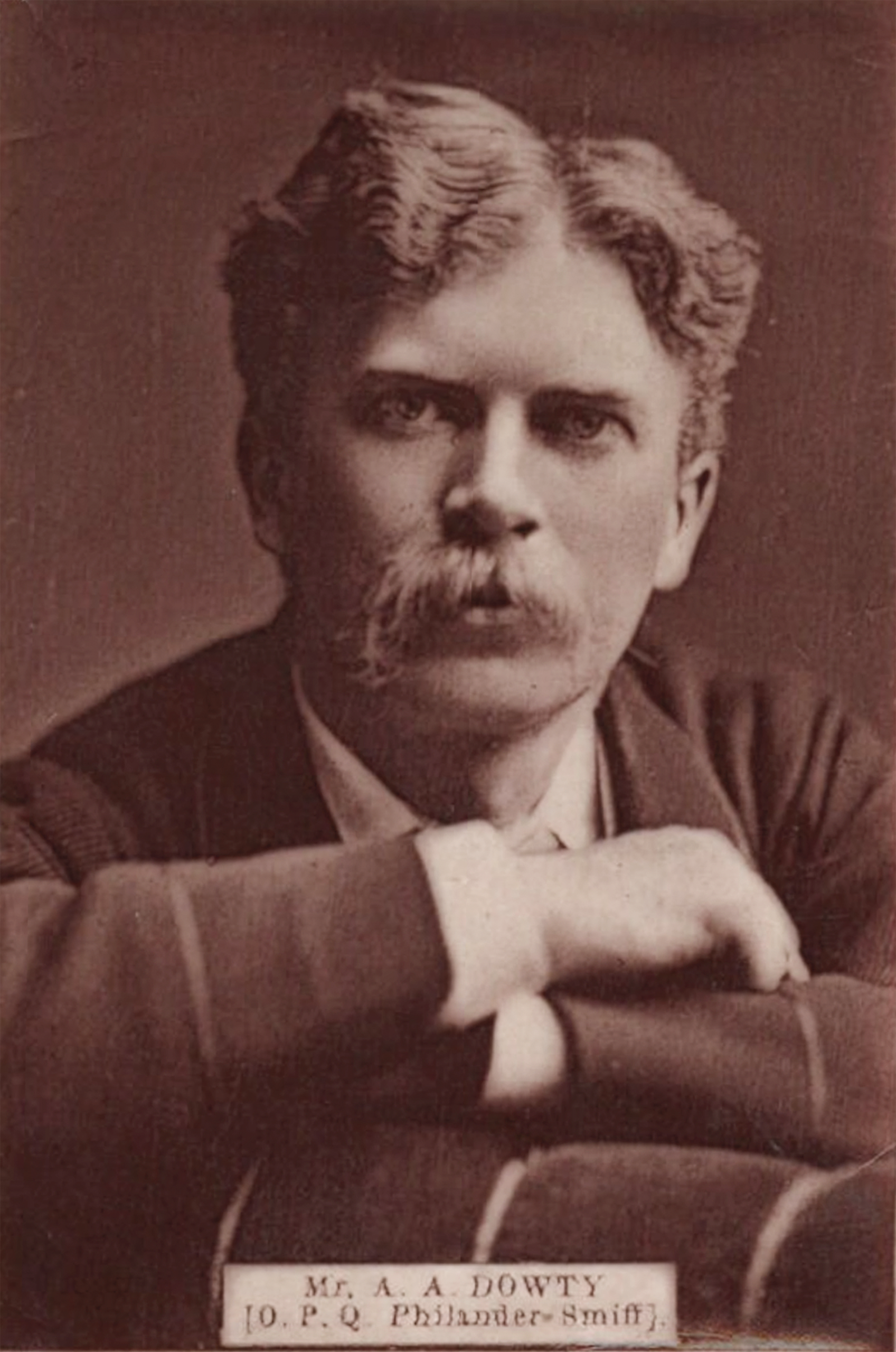
ARTEMAS AGLEN DOWTY (1846–1906)

Artemas Aglen Dowty was born in Bridgwater in 1846. He was a son of Flixton Dowty (1812–75), printer and bookseller, and educated at Wesley’s College, Taunton (now Queen’s College).

When he was aged fifteen, he had a severe accident while ice-skating, and was so badly injured he abandoned all hope of matriculation for university entrance. During his convalescence, he occupied himself writing verse, which was published in the local newspaper. He submitted more verses to Tom Hood (1835–74), then editor of the comic journal Fun – and one of the founders of the Whitefriars Club – who published them. As the critic theatre Clement Scott later wrote,

Tom Hood had an influence among the younger writers and artists of his day that cannot be overrated. He was the most unselfish and least jealous of men. He loved to get his friends about him to talk shop, and to encourage one another in their various callings. Every Friday night of his life, though not particularly blessed with this world’s riches, he gave a cheery bohemian supper-party, to which the best fellows in the world were invited. Who that was privileged to attend them can have forgotten Tom Hood’s “Friday nights” in South Street, Brompton, where, after a pipe and music, conversation and poetry readings, we sat down to a homely meal of cold joint and roast potatoes, and discussed all the wonderful things that we youngsters intended to do in the future?1 

Is it possible that Hood’s “Friday Nights” point to the origin of the Whitefriars’ dinners?

Dowty published more verse, but perhaps, realizing the need of a secure income, in 1867 he successfully passed the Civil Service exam. He was offered a post as a clerk in the Paymaster General’s office, and moved to London. In view of his early link with Tom Hood, it is most likely he joined the Whitefriars soon after his arrival there.

A newspaper account of a dinner held in early 1879 noted he was there:

Mr F.W. Haddon was the chief guest at a nice little dinner of the White Friars Club a few days ago, where he met Mr Charles Gibbon, the novelist; Mr Toole, the comedian; Mr William Sawyer, Mr Aglen Dowty (reputed author of The Coming K—), better known “O.P.Q. Philander Smiff”; Mr Baden Pritchard, Mr J. Crawford Wilson, Mr Wharton Simpson, Dr Robert Brown, the geographer, and many others.2

A very extensive newspaper account of November 18873 describes a Whitefriars Smoking Concert, where Friar Richard Gowing was in the chair. It describes the portraits on the walls of deceased or living members. Tom Hood and William Sawyer are mentioned, as well as Philander Smiff. This most likely relates to the portrait of a bust of Philander Smiff as the London Figaro artists envisaged him. Others whose portraits were mentioned were the novelist William Black and the actors “Mr Creswick”, Barry Sullivan and Wilson Barrett.

The article also mentions, among the attendees, several well-known authors and journalists: Harrison Weir, William Senior, Edward Marston, George Henty [G.A. Henty], Dr Robert Brown and Byron Webber.

It is hard to categorize Dowty’s humorous writing. His tone was usually of studied irony, and his work is devoid of literary quality. Much was written when he was a young man, of course, but to the present-day reader his verse seems very laboured and somewhat juvenile. His short stories, however, are amusing. It is clear he was a very prolific writer, and it would require extensive research to identify all of his writings today.

The Civil Service in the last half of the nineteenth century was a home for a number of successful writers, such as Anthony Trollope. Dowty remained until at least 1891,4 although some sources suggest that he resigned later.

From 1870 Dowty published much in the comic journal The London Figaro, including a famous series with the pseudonym O.P.Q. Philander Smiff. Many of the articles were later reprinted in book form.

Also in the 1870s he assisted Samuel Beeton (1831–77) in editing his parody of Tennyson’s Idylls of the King (the parts published in 1859 and 1872), which was merciless in its treatment of the Prince of Wales’s moral behaviour, and his fitness to be King. This caused a hostile response in the press, due to the anonymity of the authors. 

The book was entitled The Coming K––, and published in 1872. It was one of Beeton’s Christmas Annuals that were published between 1860 and 1895. The earlier numbers covered seasonal topics and were safe to be read round the family hearth, but from 1872 the annuals were much more radical in tone. Dowty helped edit three more titles. One parodied Homer’s Iliad, the second Byron’s Don Juan and the third Shakespeare’s Henry IV and Henry V. After Beeton’s death in 1877, the annuals reverted to the usual Christmas style.

Dowty was also a prolific writer of short stories. A number of them have a flavour of the Grossmiths’ Diary of a Nobody – which, of course, began as a Punch serial.

For twenty-nine years, until his death in 1906, Dowty wrote a regular series of satirical verses for Truth under the title “The Barrel Organ”, which ranged over politics and the social scene. He was also the author of a lengthy year-end verse review which became a staple in Truth’s Christmas numbers.

We don’t know if Dowty was ever a White Friar or only attended as a guest, although it is likely that he joined the club at some point. New archive material could help answer this question. If he ever joined the club, he was definitely no longer a White Friar by 1900, since his name does not appear in that year’s members’ list published in The Whitefriars’ Chronicles.

Although he is regarded today as a lesser-known figure, Dowty was well known in his own time, and right at the centre of the cultural and literary world of his day. He certainly deserves to be rediscovered.

– Tony Woolrich

NOTES:
1. Clement Scott, Thirty Years at the Play, 1891, pp. 20–21.
2. Sheffield Independent, 12th April 1879.
3. Nottinghamshire Guardian, 26th November 1887.
4. Census record.


Tony Woolrich has worked as a publisher’s editor, and has specialized in industrial history and biography, as well as local history. He has contributed to the Oxford Dictionary of National Biography, the Biographical Dictionary of Civil Engineers and Wikipedia. He spotted A.A. Dowty in a bibliography of Somerset books, where his book of dialect rhymes was listed as being by O.P.Q. Philander Smiff. So the urge to learn more was not to be resisted.
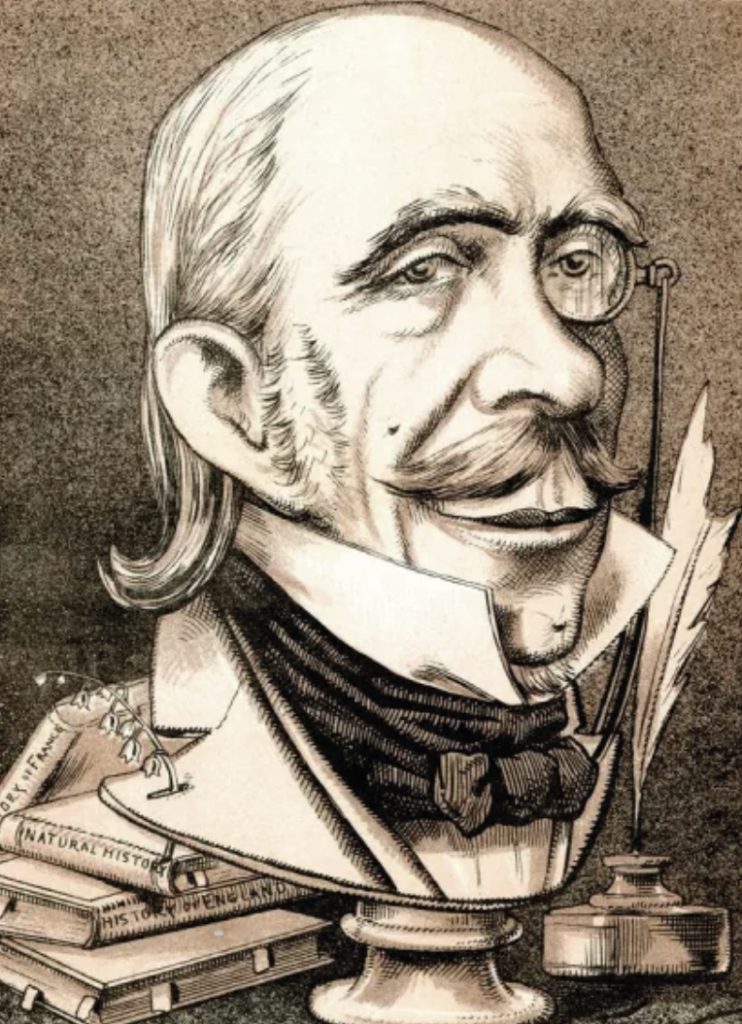
O.P.Q. Philander Smiff

Posted on

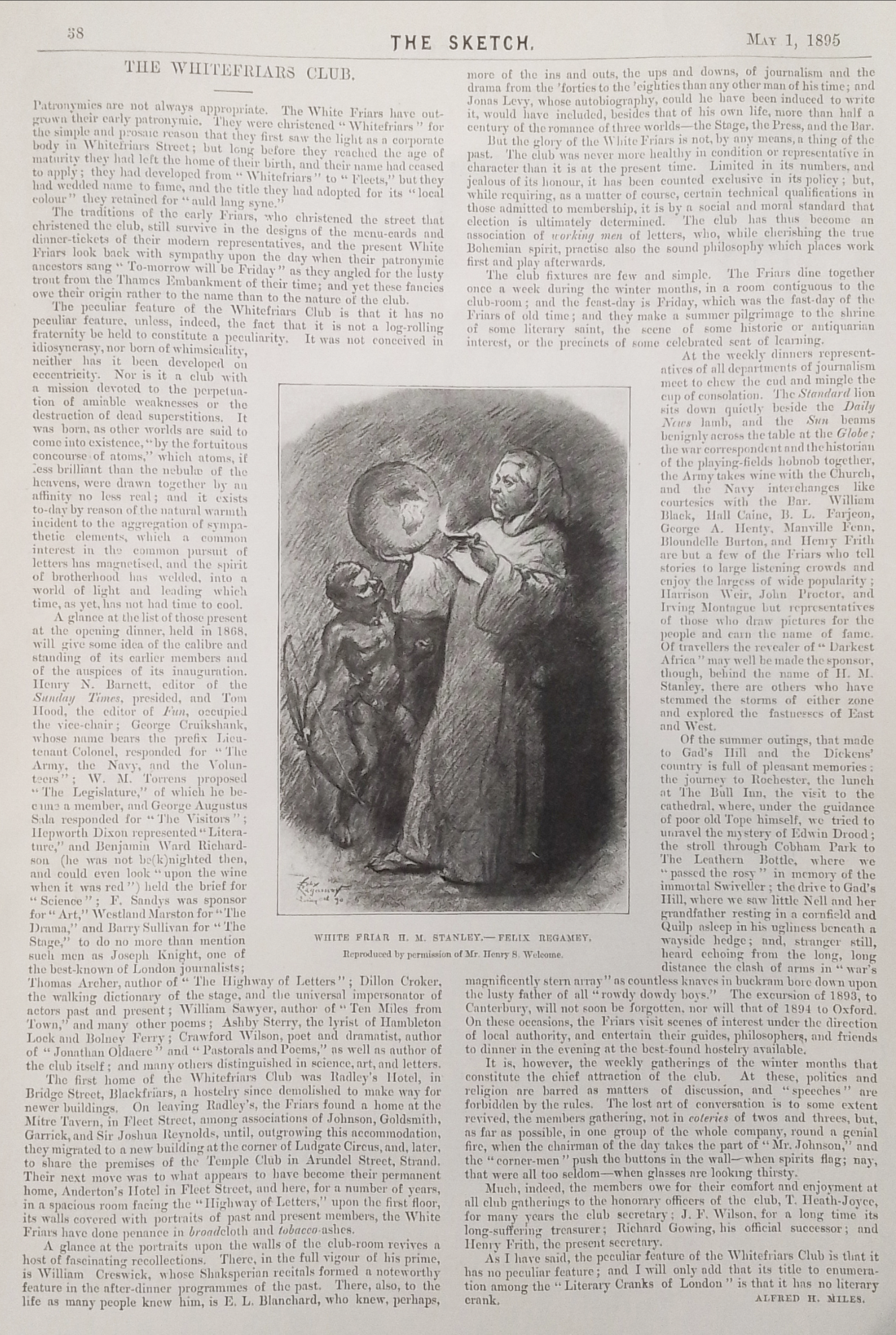
From the Sketch, 1st May 1895

Patronymics are not always appropriate. The White Friars have outgrown their early patronymic. They were christened “Whitefriars” for the simple and prosaic reason that they first saw the light as a corporate body in Whitefriars Street; but long before they reached the age of maturity they had left the home of their birth, and their name had ceased to apply; they had developed from “Whitefriars” to “Fleets”, but they had wedded name to fame, and the title they had adopted for its “local colour” they retained for “auld lang syne”.

The traditions of the early Friars who christened the street that christened the club still survive in the designs of the menu cards and dinner tickets of their modern representatives, and the present White Friars look back with sympathy upon the day when their patronymic ancestors sang ‘Tomorrow will be Friday’ as they angled for the lusty trout from the Thames Embankment of their time; and yet these fancies owe their origin rather to the name than to the nature of the club.

The peculiar feature of the Whitefriars Club is that it had no peculiar feature, unless, indeed, the fact that it is not a log-rolling fraternity be held to constitute a peculiarity. It was not conceived in idio­syncrasy, nor born of whimsicality, neither has it been developed on eccentricity. Nor is it a club with a mission devoted to the perpetuation of amiable weaknesses or the destruction of dead superstitions. It was born, as other worlds are said to come into existence, “by the fortuitous concourse of atoms” – which atoms, if less brilliant than the nebulae of the heavens, were drawn together by an affinity no less real; and it exists today by reason of the natural warmth incident to the aggregation of sympathetic elements, which a common interest in the common pursuit of letters has magnetised, and the spirit of brotherhood has welded, into a world of light and leading which time, as yet, has not had time to cool.

A glance at the list of those present at the opening dinner, held in 1868, will give some idea of the calibre and standing of its earlier members and of the auspices of its inauguration. Henry N. Barnett, editor of the Sunday Times, presided, and Tom Hood, the editor of Fun, occupied the vice-chair; George Cruikshank, whose name bears the prefix Lieutenant Colonel, responded for “The Army, the Navy and the Volunteers”; W.M. Torrens proposed “The Legislature”, of which he became a member, and George Augustus Sala responded for “The Visitors”; Hepworth Dixon represented “Literature”, and Benjamin Ward Richardson (he was not be[k]nighted then, and could even look “upon the wine when it was red”) held the brief for “Science”; F. Sandys was sponsor for “Art”, Westland Marston for “The Drama” and Barry Sullivan for “The Stage”, to do no more than mention such men as Joseph Knight, one of the best-known of London journalists; Thomas Archer, author of The Highway of Letters; Dillon Croker, the walking dictionary of the stage, and the universal impersonator of actors past and present; William Sawyer, author of ‘Ten Miles from Town’ and many other poems; Ashby Sterry, the lyrist of Hambleton Lock and Bolney Ferry; Crawford Wilson, poet and dramatist, author of Jonathan Oldacre and Pastorals and Poems, as well as author of the club itself; and many others distinguished in science, art and letters.

The first home of the Whitefriars Club was Radley’s Hotel, in Bridge Street, Blackfriars, a hostelry since demolished to make way for newer buildings. On leaving Radley’s, the Friars found a home at the Mitre Tavern, in Fleet Street, among associations of Johnson, Goldsmith, Garrick and Sir Joshua Reynolds, until, outgrowing this accommodation, they migrated to a new building at the corner of Ludgate Circus, and, later, to share the premises of the Temple Club in Arundel Street, Strand. Their next move was to what appears to have become their permanent home, Anderton’s Hotel in Fleet Street, and here, for a number of years, in a spacious room facing the “Highway of Letters”, upon the first floor, its walls covered with portraits of past and present members, the White Friars have done penance in broadcloth and tobacco ashes.

A glance at the portraits upon the walls of the club-room revives a host of fascinating recollections. There, in the full vigour of his prime, is William Creswick, whose Shakespearian recitals formed a noteworthy feature in the after-dinner programmes of the past. There, also, to the life as many people knew him, is E.L. Blanchard, who knew, perhaps, more of the ins and outs, the ups and downs, of journalism and the drama from the Forties to the Eighties than any other man of his time; and Jonas Levy, whose autobiography, could he have been induced to write it, would have included, besides that of his own life, more than half a century of the romance of three worlds – the Stage, the Press and the bar. 

But the glory of the White Friars is not, by any means, a thing of the past. The club was never more healthy in condition or representative in character than it is at the present time. Limited in its numbers, and jealous of its honour, it has been counted exclusive in its policy; but, while requiring, as a matter of course, certain technical qualifications in those admitted to membership, it is by a social and moral standard that election is ultimately determined. The club has thus become an association of working men of letters, who, while cherishing the true bohemian spirit, practise also the sound philosophy which places work first and play afterwards. 

The club fixtures are few and simple. The Friars dine together once a week during the winter months, in a room contiguous to the club-room; and the feast-day is Friday, which was the fast-day of the Friars of old time; and they make a summer pilgrimage to the shrine of some literary saint, the scene of some historic or antiquarian interest, or the precincts of some celebrated seat of learning.

At the weekly dinners representatives of all departments of journalism meet to chew the cud and mingle the cup of consolation. The Standard lion sits down quietly beside the Daily News lamb, and the Sun beams benignly across the table at the Globe; the war correspondent and the historian of the playing-fields hobnob together, the Army takes wine with the Church, and the Navy interchanges like courtesies with the Bar. William Black, Hall Caine, B.L. Farjeon, George A. Henty, Manville Fenn, Bloundelle Burton and Henry Frith are but a few of the Friars who tell stories to large listening crowds and enjoy the largess of wide popularity; Harrison Weir, John Proctor and Irving Montague but representatives of those who draw pictures for the people and earn the name of fame. Of travellers the revealer of “Darkest Africa” may well be made the sponsor, though, behind the name of H.M. Stanley there are others who have stemmed the storms of either zone and explored the fastnesses of East and West. 

Of the summer outings, that made to Gad’s Hill and the Dickens’ country is full of pleasant memories: the journey to Rochester, the lunch at The Bull Inn, the visit to the cathedral, where, under the guidance of poor old Tope himself, we tried to unravel the mystery of Edwin Drood; the stroll through Cobham Park to The Leathern Bottle, where we “passed the rosy” in memory of the immortal Swiveller; the drive to Gad’s Hill, where we saw little Nell and her grandfather resting in a cornfield and Quilp asleep in his ugliness beneath a wayside hedge; and, stranger still, heard echoing from the long, long distance the clash of arms in “war’s magnificently stern array” as countless knaves in buckram bore down upon the lusty father of all “rowdy dowdy boys”. The excursion of 1893, to Canterbury, will not soon be forgotten, nor will that of 1894 to Oxford. On these occasions, the Friars visit scenes of interest under the direction of local authority, and entertain their guides, philosophers and friends to dinner in the evening at the best-found hostelry available.

It is, however, the weekly gatherings of the winter months that constitute the chief attraction of the club. At these, politics and religion are barred as matters of discussion, and “speeches” are forbidden by the rules. The lost art of conversation is to some extent revived, the members gathering, not in coteries of twos and threes, but, as far as possible, in one group of the whole company, round a genial fire, when the chairman of the day takes the part of “Mr Johnson”, and the “corner-men” push the buttons in the wall – when spirits flag; nay, that were all too seldom – when glasses are looking thirsty.

Much, indeed, the members owe for their comfort and enjoyment at all club gatherings to the honorary officers of the club, T. Heath-Joyce, for many years the club secretary; J.F. Wilson, for a long time its long-suffering treasurer; Richard Gowing, his official successor; and Henry Frith, the present secretary.

As I have said, the peculiar feature of the Whitefriars Club is that it has no peculiar feature; and I will only add that its title to enumeration among the “Literary Cranks of London” is that it has no literary crank.


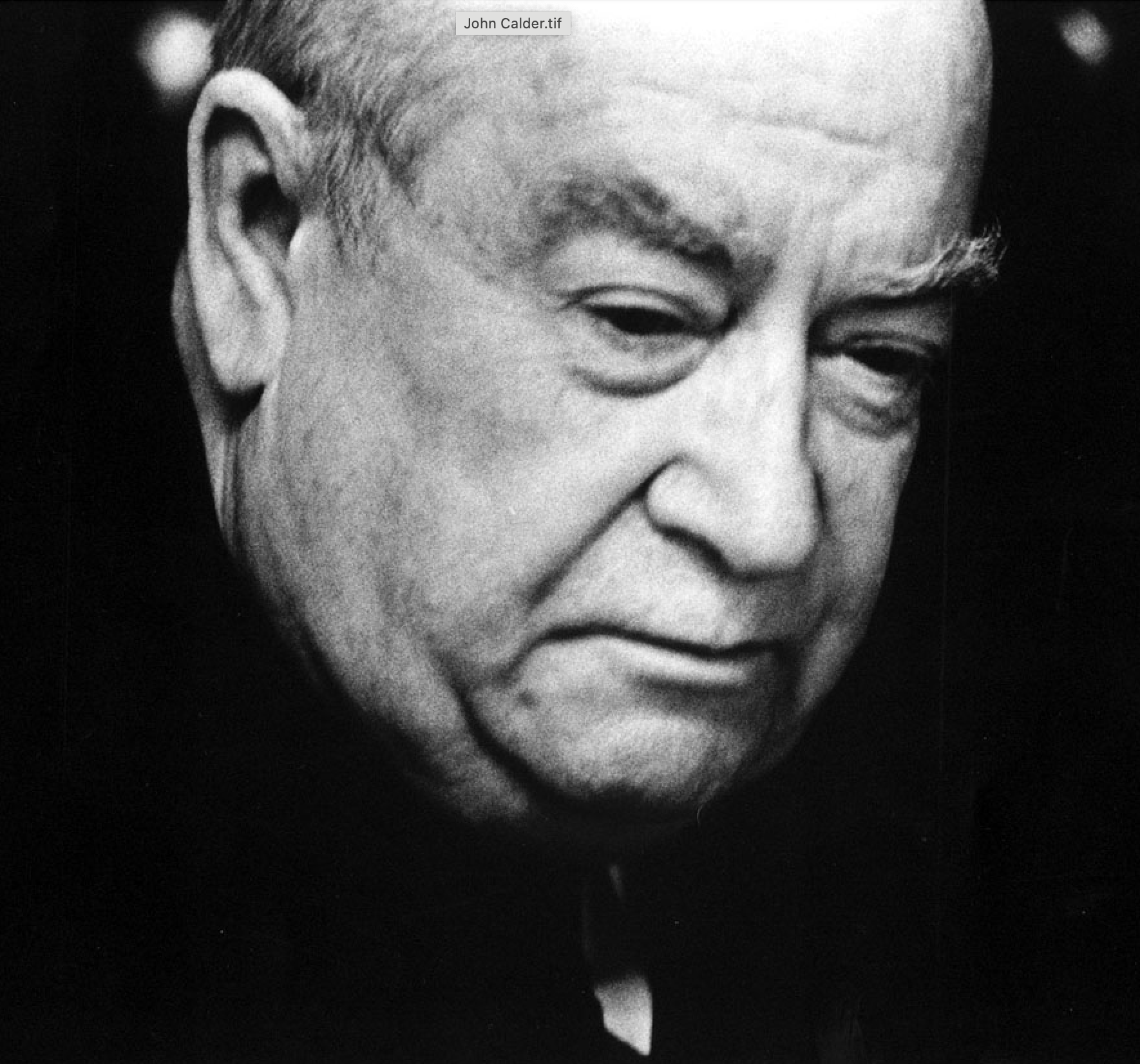
Alfred Henry Miles (1848–1929) was a prolific English author – writing in the capacity of anthologist, children’s writer, editor, journalist and poet at various points in his life – as well as a composer and lecturer. Miles was a White Friar, joining the Whitefriars Club in 1883. He published The Diners-Out Vade-Mecum: A Pocket Handbook (1900), in which he details “the manners and customs of society functions […] with hints on etiquette, deportment, dress (etc. etc.)” so as to “help the young and inexperienced to the reasonable enjoyment of the social pleasures of society”. This work, coupled with his glowing review of the Whitefriars Club, offers an insight into Miles’s reverence and passion for club life.

Alfred Henry Miles

Posted on

Ann Widdecombe

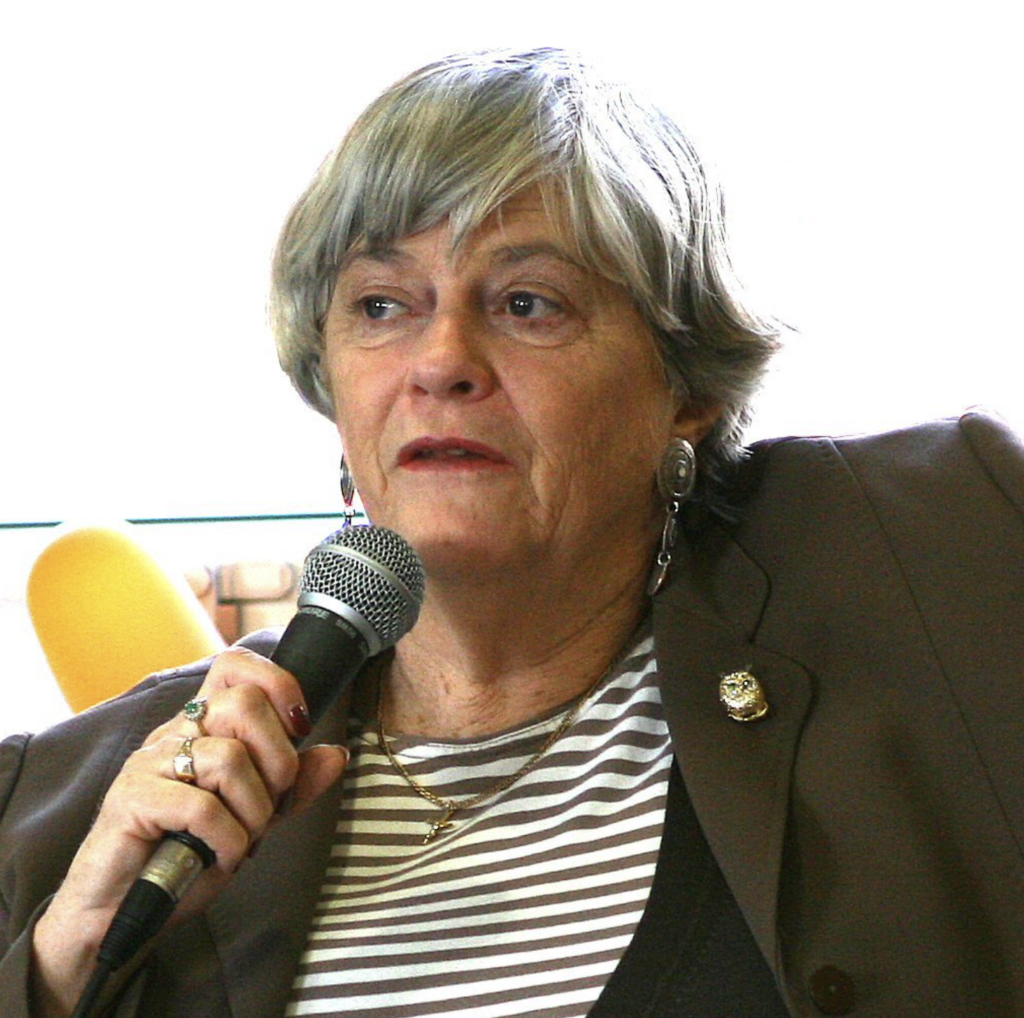
Ann Widdecombe (b. 1947) is an English politician and television personality. She was the MP for Maidstone and The Weald from 1987 to 2010 and the MEP for South West England from 2019 to 2020.

She spoke twice at the Whitefriars Club: on 24th October 2006 and on 21st October 2015 (‘Life after Westminster’).

Ann Widdecombe
Posted on

Sir Arthur Quiller-Couch

Sir Arthur Quiller-Couch, who published under the pseudonym “Q” (1863–1944), was a prolific novelist, a literary critic and the editor of the monumental The Oxford Book of English Verse 1250–1900.

He spoke twice at the Whitefriars Club: on 8th April 1904 (‘What are the Dominating Influences in Literary Productions?’) and on 7th March 1913.

Sir Arthur Quiller-Couch
Posted on

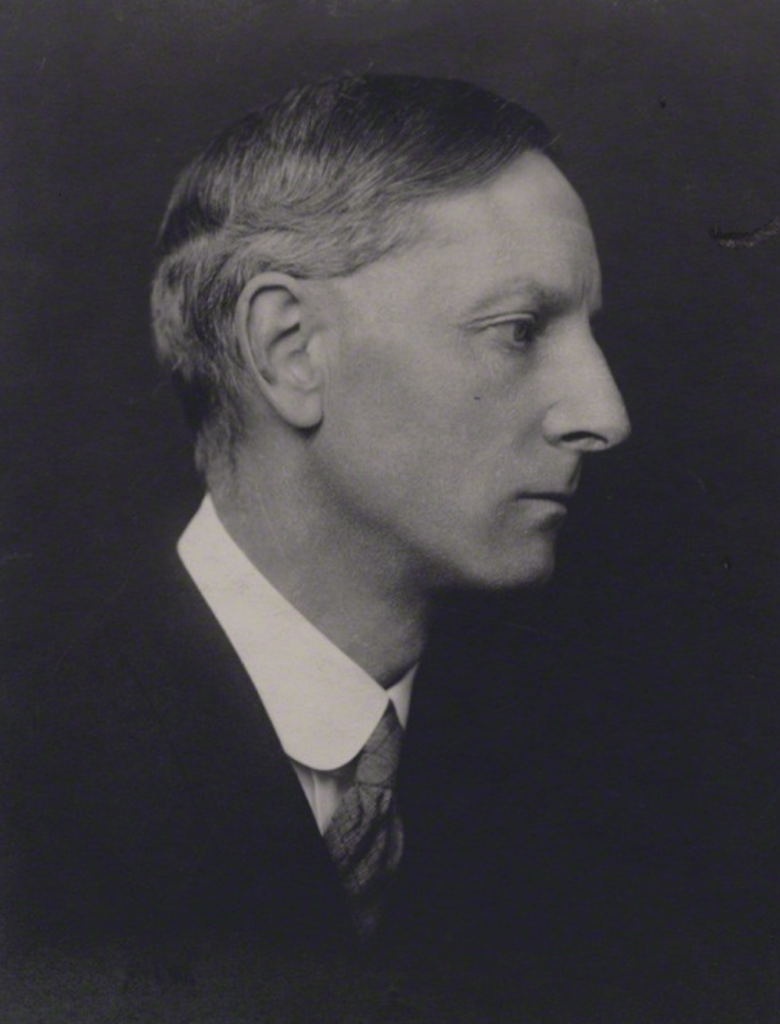
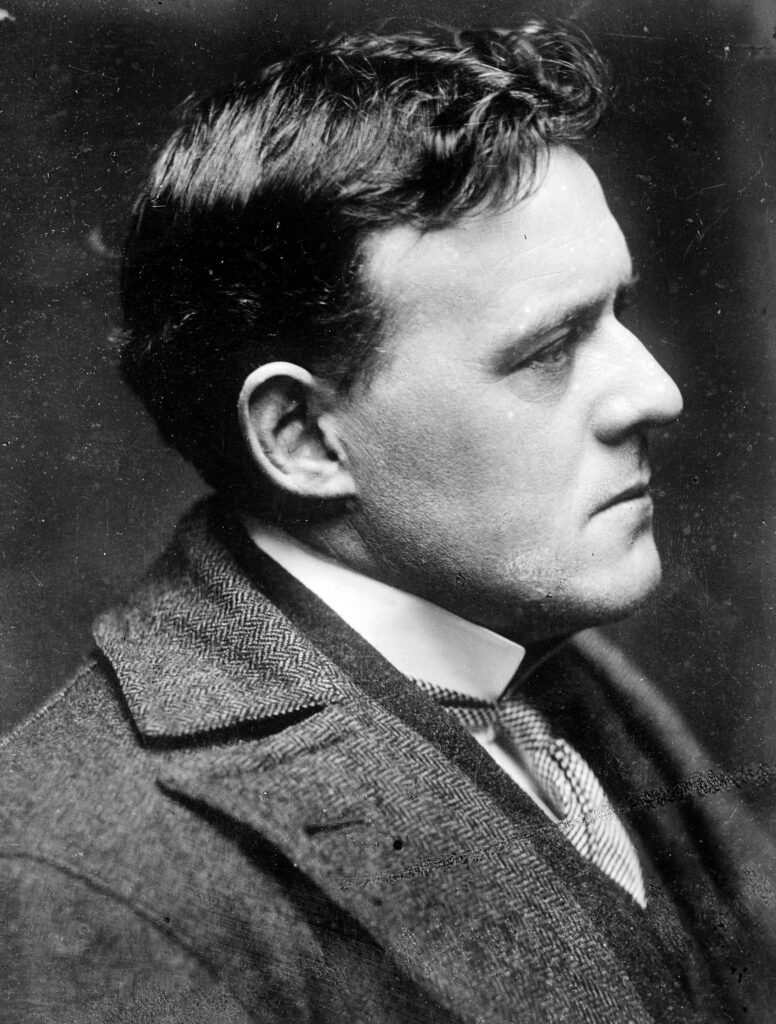
Sir Henry Newbolt

Sir Henry Newbolt (1862–1938) was a poet, novelist and historian, best remembered today for his poem ‘Vitaï Lampada’.

He spoke three times at the Whitefriars Club: on 1st May 1903, on 26th February 1904 (‘The Relations of Editors and Contributors’) and 10th March 1905.

Sir Henry Newbolt
Posted on

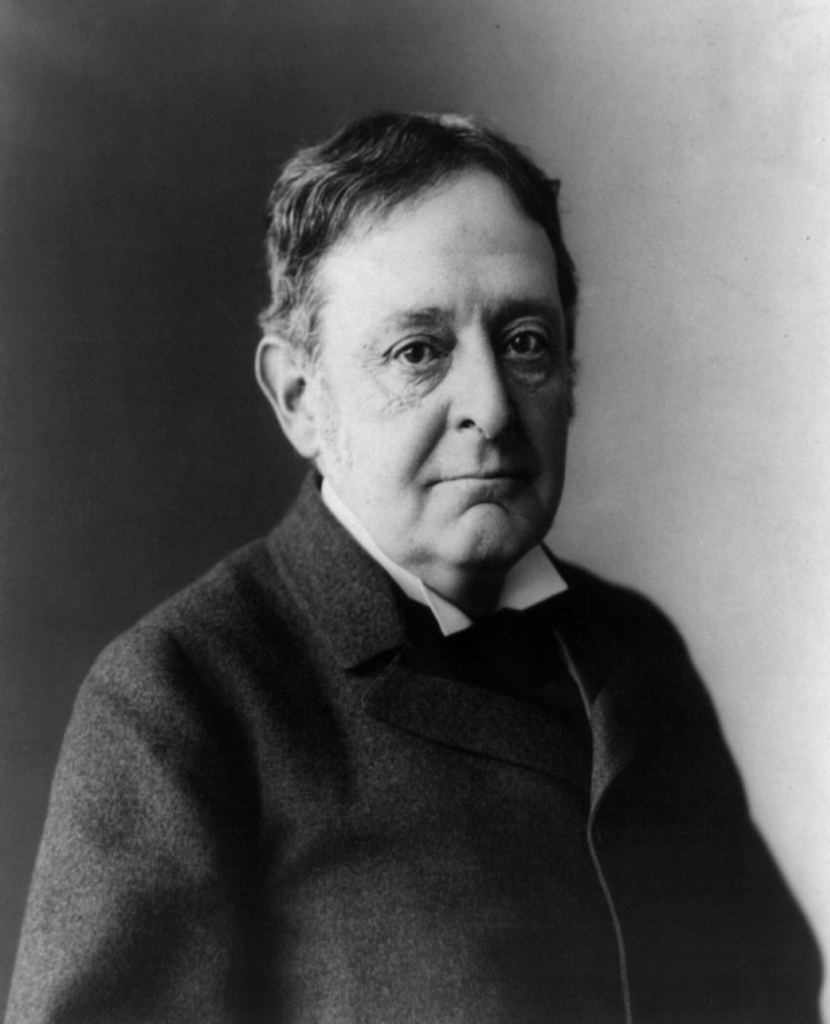
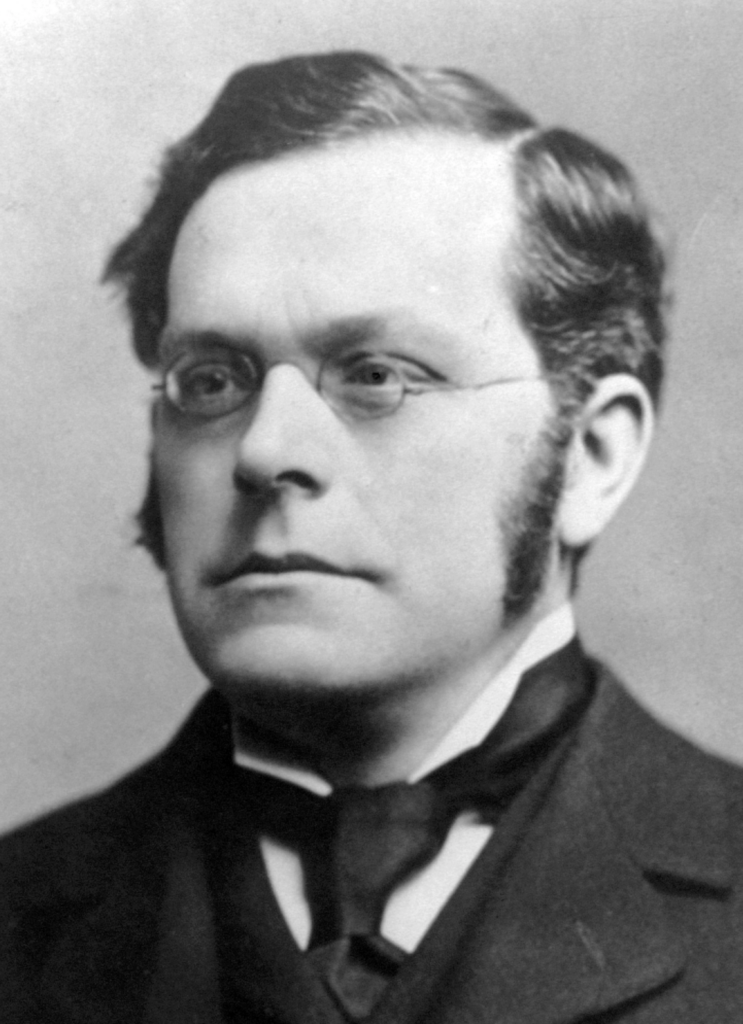
Augustine Birrell

Augustine Birrell (1850–1933) was a Liberal Party politician who was Chief Secretary for Ireland from 1907 to 1916.

He spoke five times at the Whitefriars Club: on 16th February 1901, on 25th April 1902, on 27th January 1905, on 5th December 1917 (‘A Talk about Books’) and on 14th December 1923.

Augustine Birrell
Posted on

Serial Speakers

According to the club’s records, there are eleven people who have spoken to the club more than once.

The full list is:

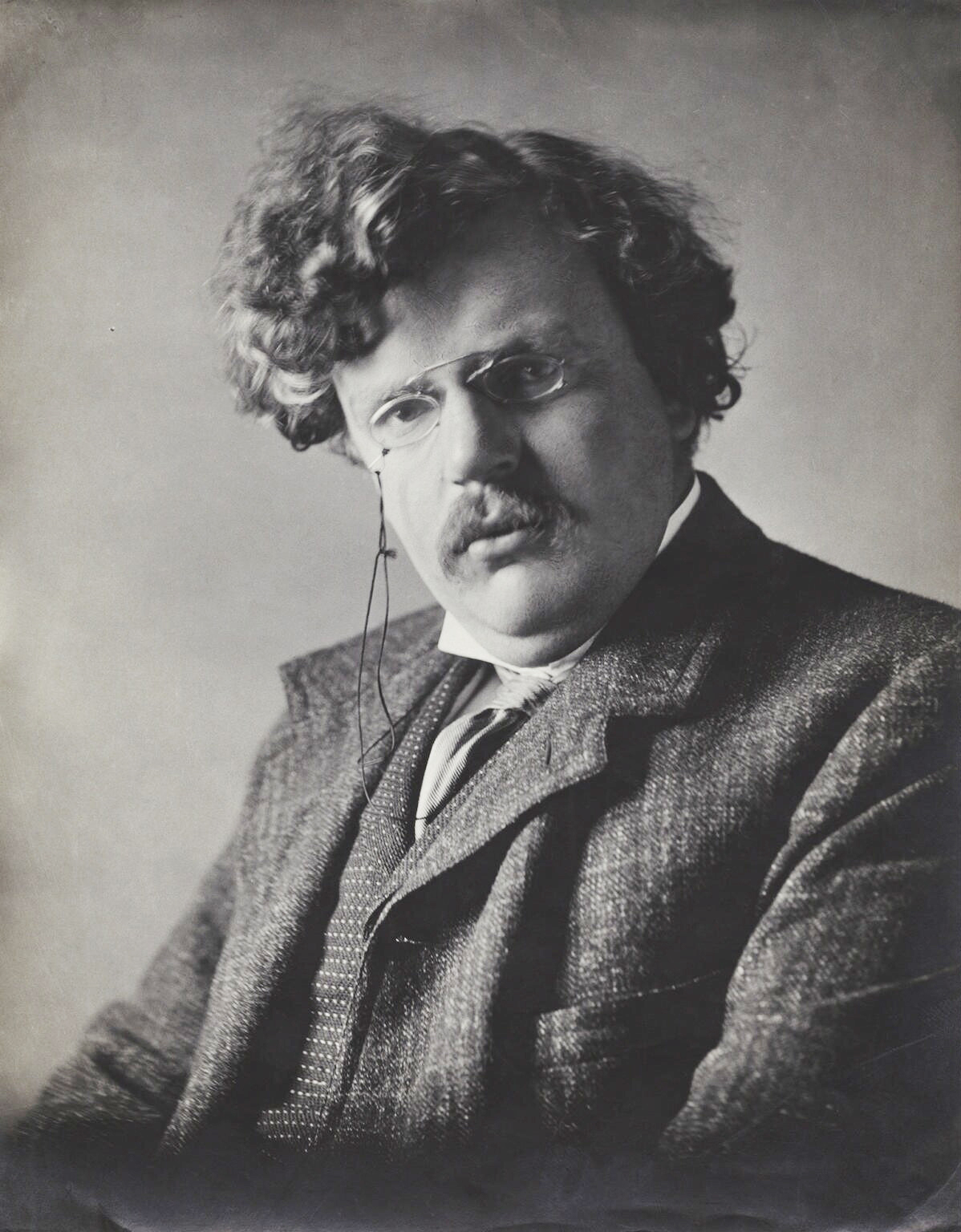
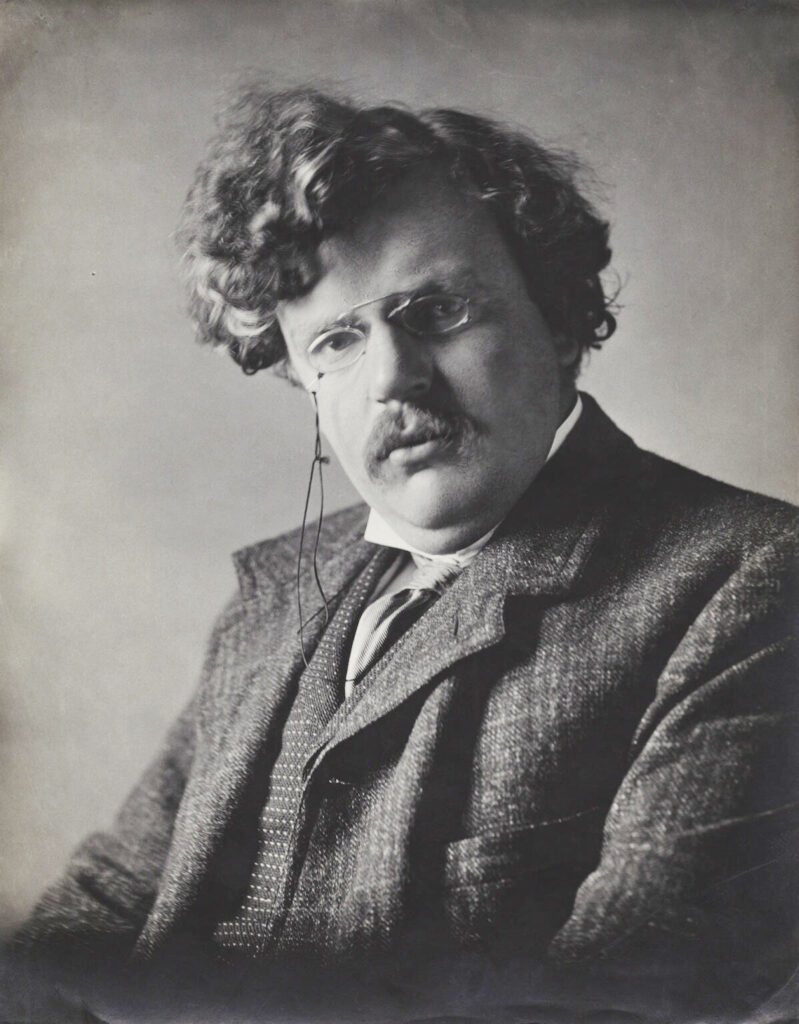
G.K. Chesterton: six times (6th November 1903, 18th January 1907, 3rd April 1908, 17th December 1909, 2nd May 1924, 15th December 1927)
Augustine Birrell: five times (16th February 1901, 25th April 1902, 27th January 1905, 5th December 1917, 14th December 1923)
Sir Henry Newbolt: three times (1st May 1903, 26th February 1904, 10th March 1905)
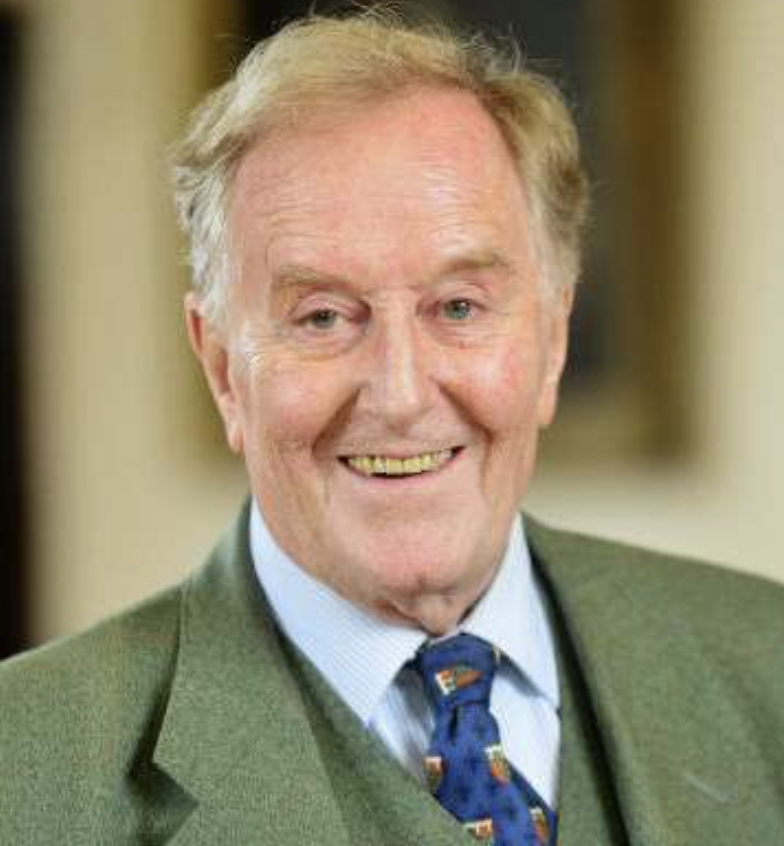
Robert Hardy: three times (17th October 1985, 29th June 1995, 15th May 2007)
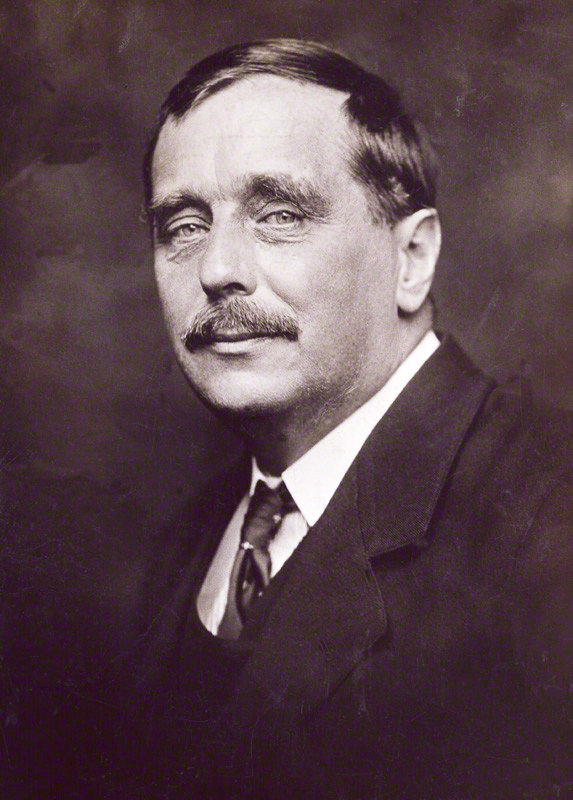
H.G. Wells: twice (31st January 1902, 17th March 1905)
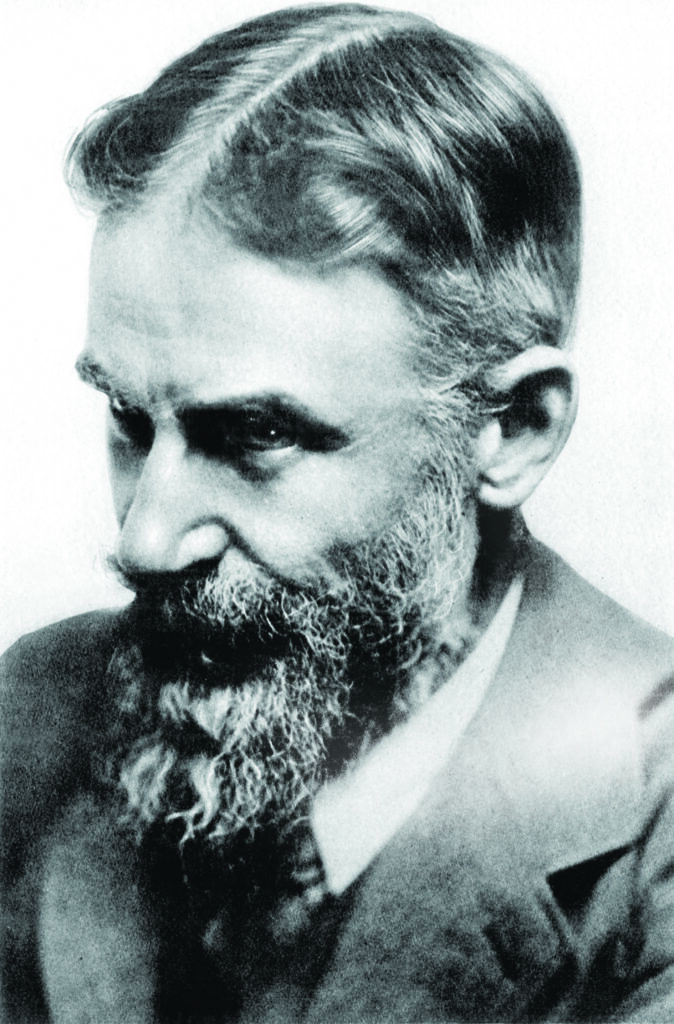
George Bernard Shaw: twice (16th February 1906, 29th October 1920)
Sir Arthur Quiller-Couch – “Q”: twice (8th April 1904, 7th March 1913)
Ann Widdecombe: twice (24th October 2006, 21st October 2015)
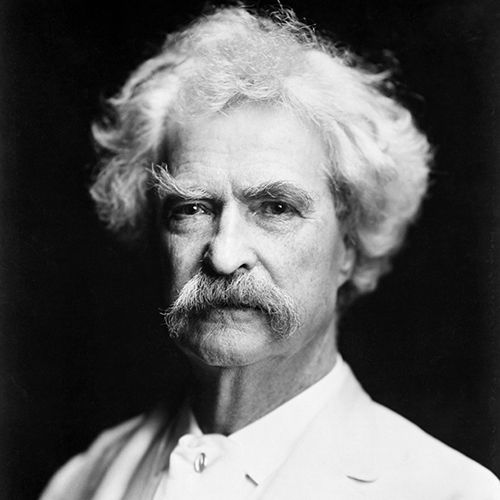
Mark Twain: twice (6th September 1872, 16th June 1899)
Joseph Hodges Choate: twice (3rd November 1899, 1st May 1903)
Hilaire Belloc: twice (20th March 1903, 30th April 1909)