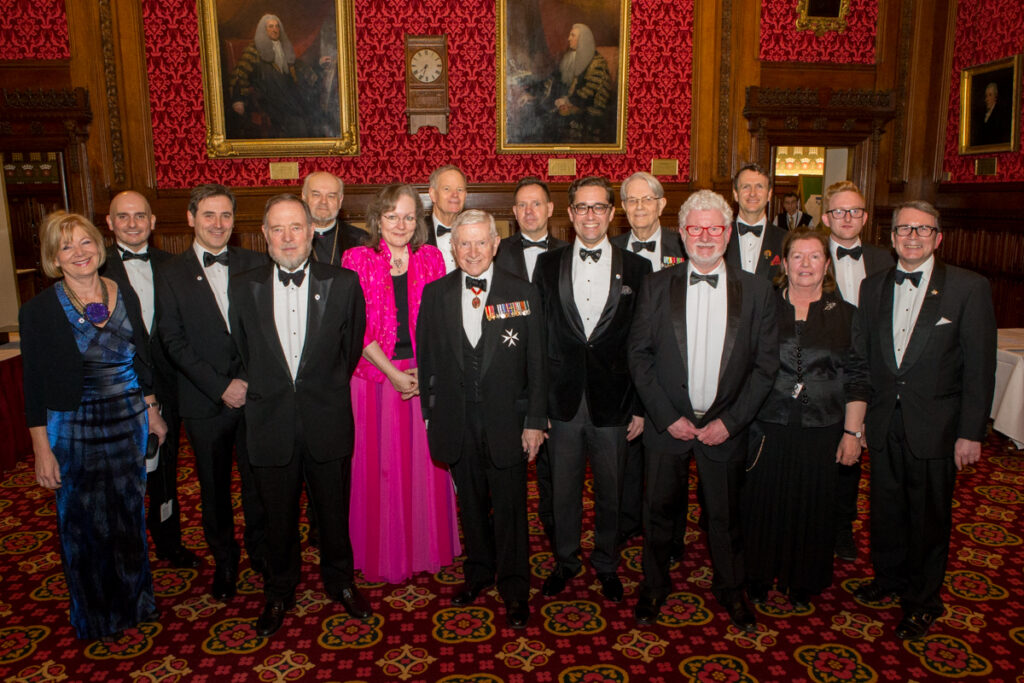
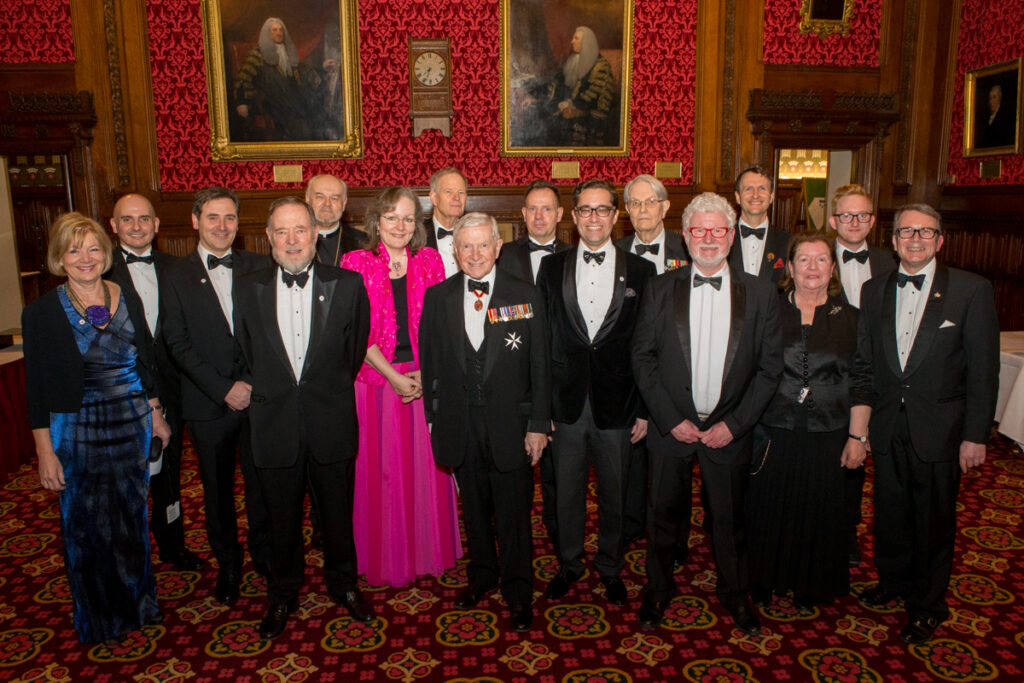
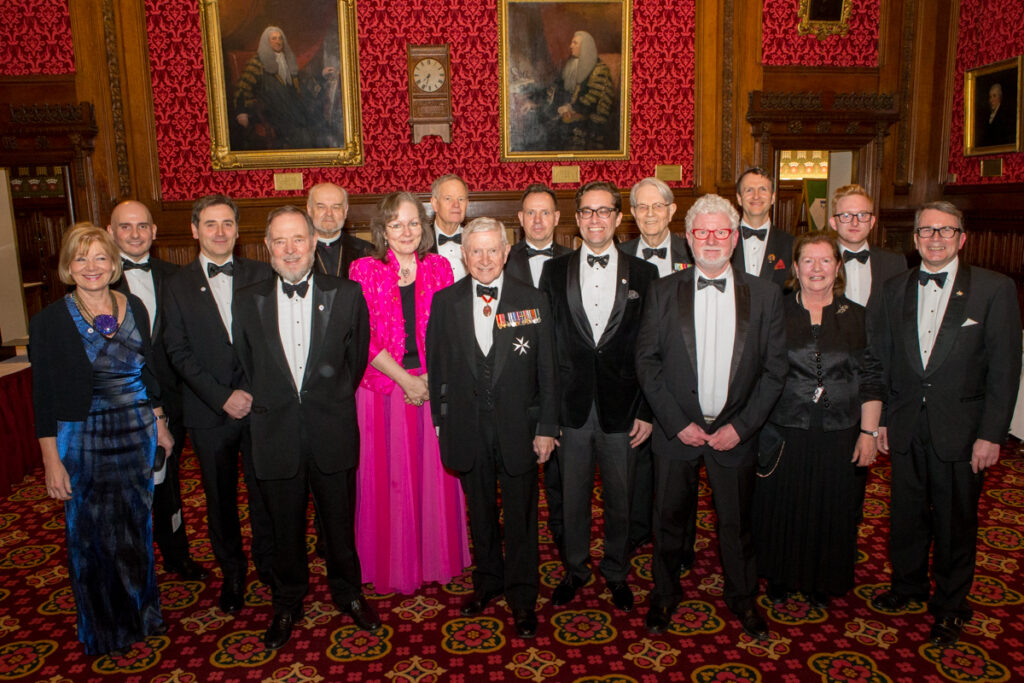
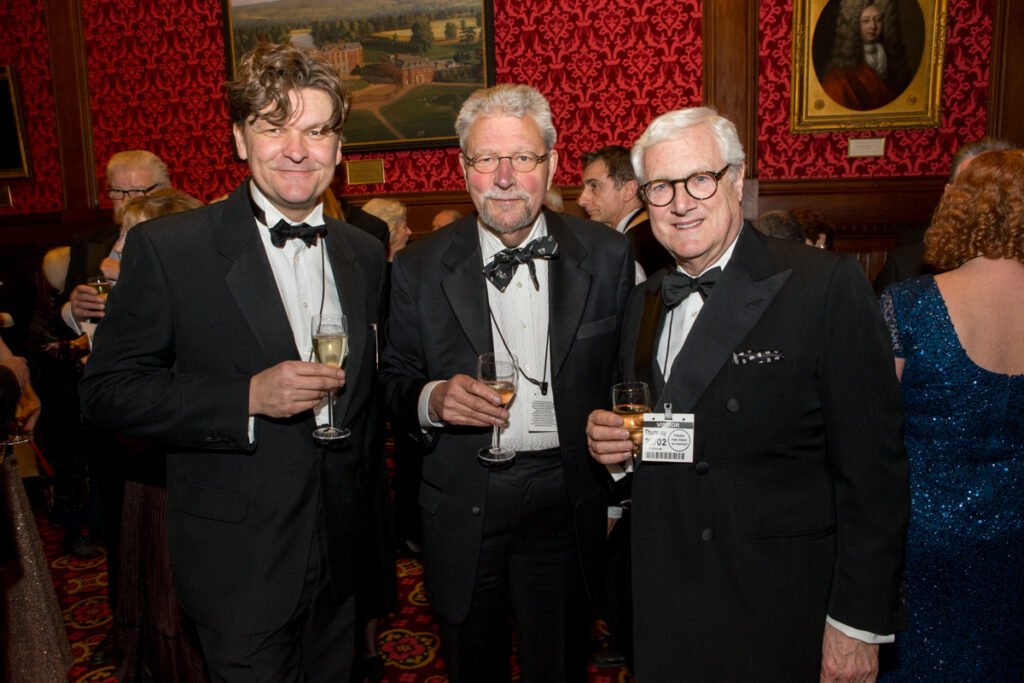
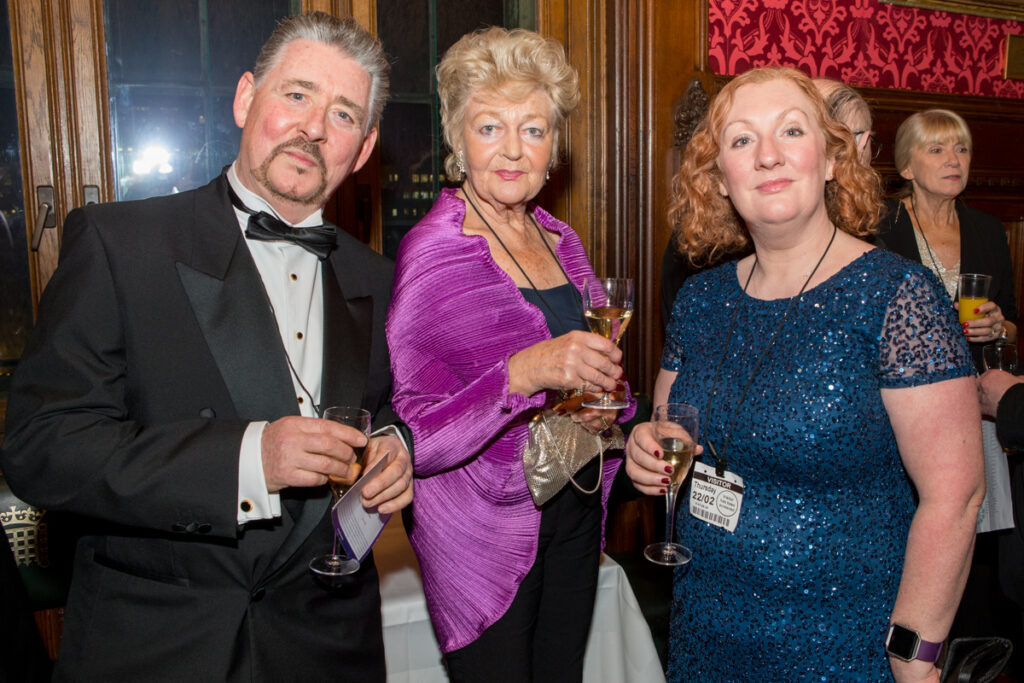
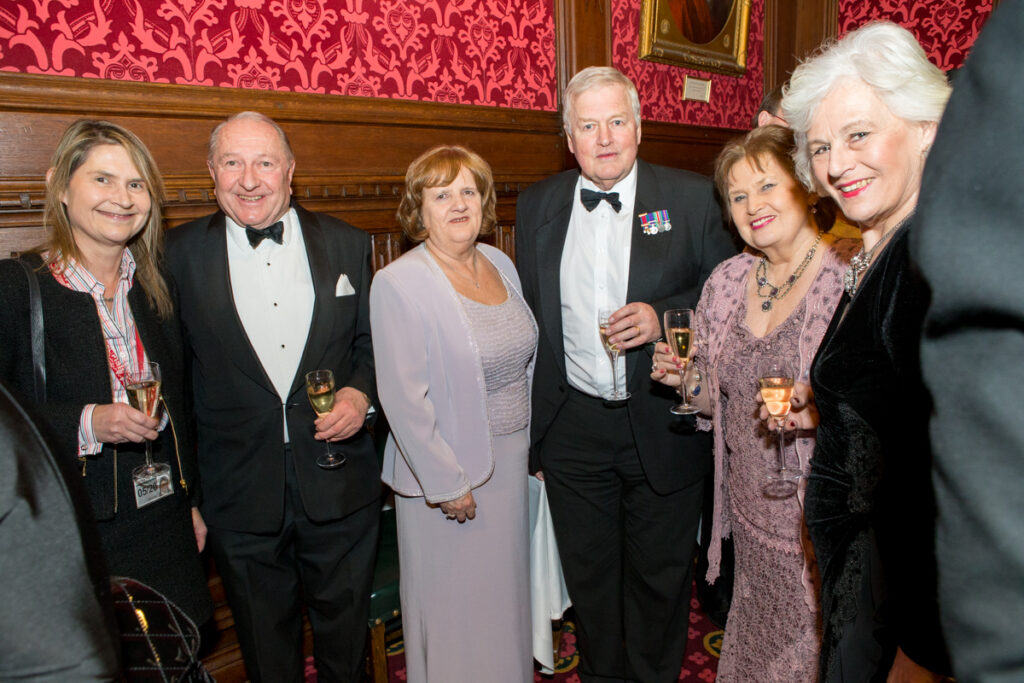
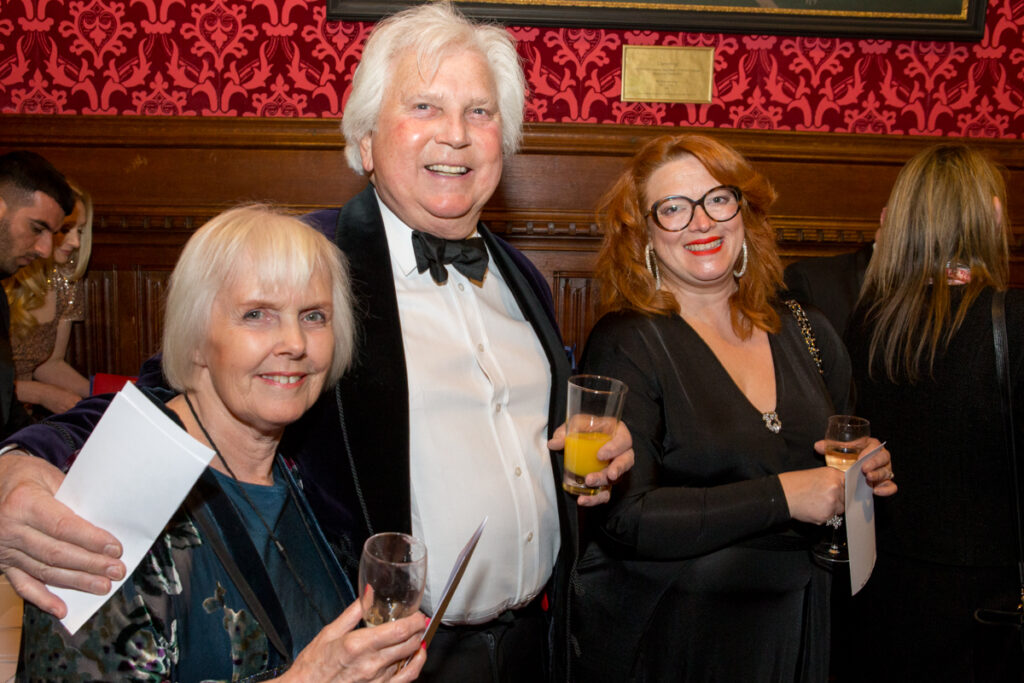
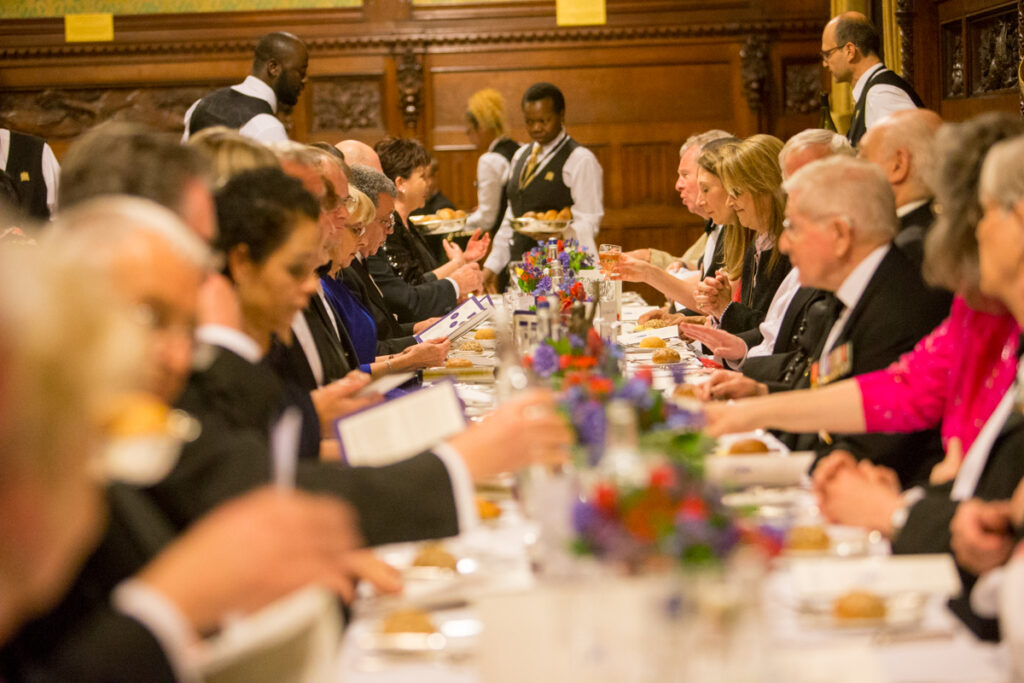
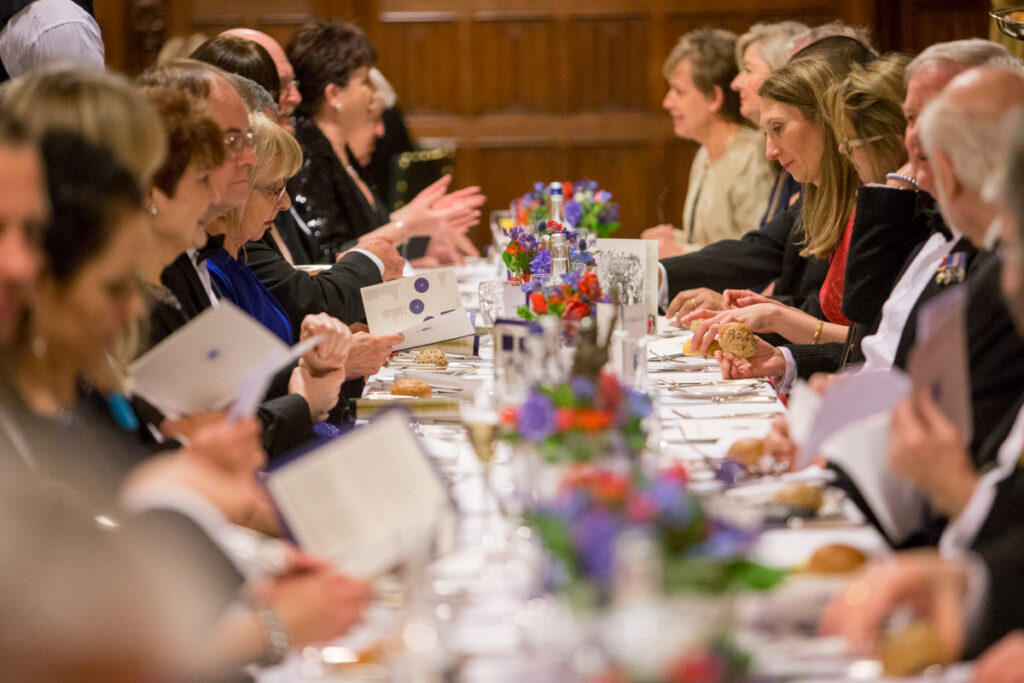
According to the club’s records, there are eleven people who have spoken to the club more than once.
Read more
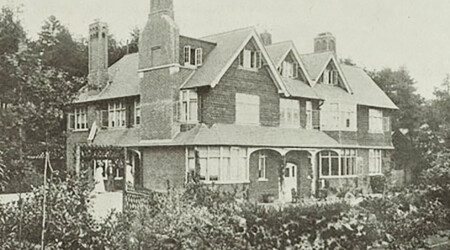
The July 1906 Pilgrimage to Tennyson country was one of the most anticipated events of the year.
Read more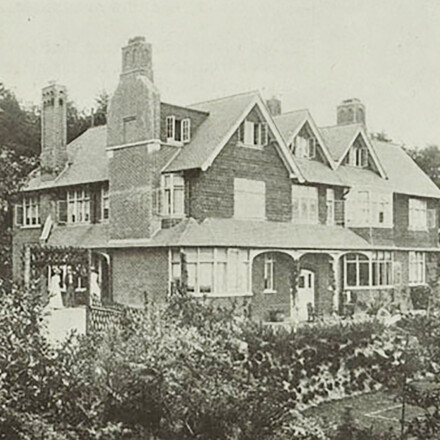
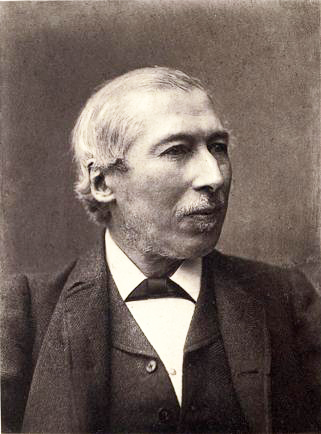
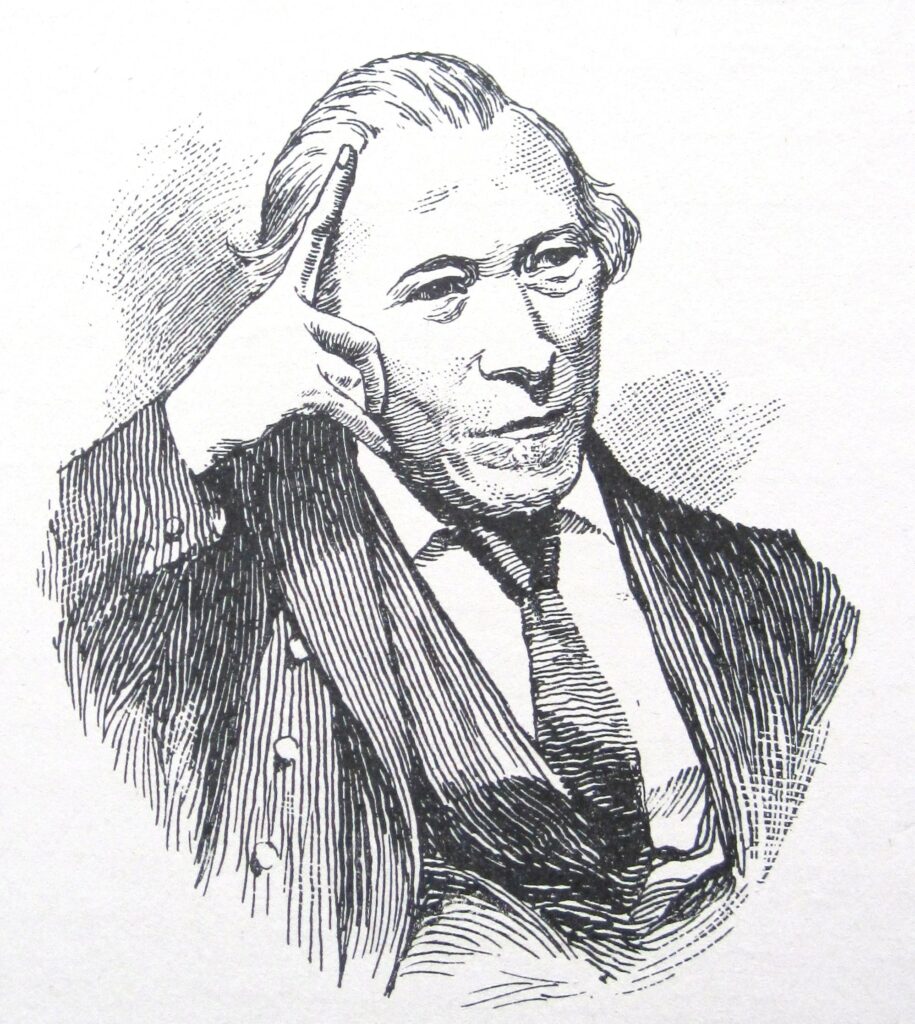
Edward Litt Laman Blanchard, also known as E.L. Blanchard (1820–89), was a prolific and acclaimed author of dramas and pantomimes. He was also a journalist and a renowned newspaper drama critic.
Friar E.L. Blanchard was a member of the Whitefriars during the club’s first 20 years. He was Prior of the Day at the Annual Dinner on 12th February 1881 and the Smoking Lecture: ‘A Gossip about the Past’ on 18th May 1883.
Dr Colin Smythe gave a talk about Friar Blanchard at the AGM Dinner of 25th May 2022. You can read a report of his speech here.
(Below: A portrait drawing of E.L. Blanchard from The Whitefriars Chronicles, p. 63)
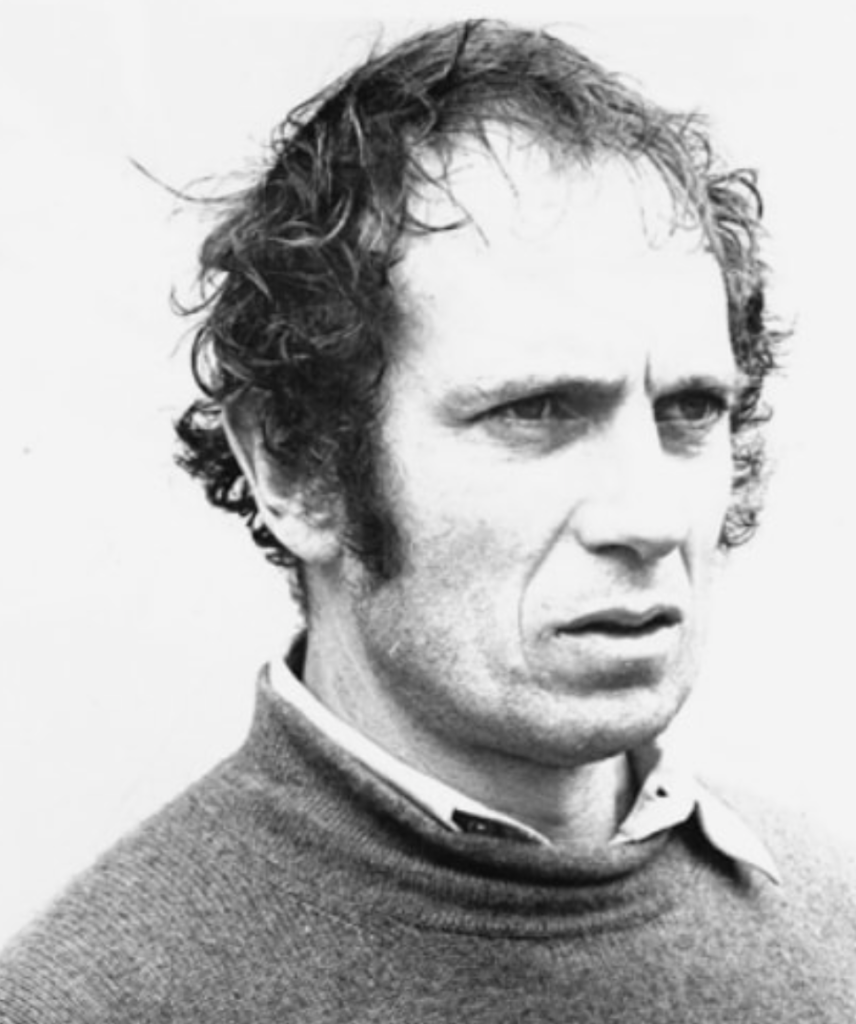
Christopher Logue (1926–2011) was a pacifist and a poet associated with the British Poetry Revival movement.
Logue spoke at the Whitefriars Club 21st October 1959 on the subject of ‘The Modern Poet in Print’.
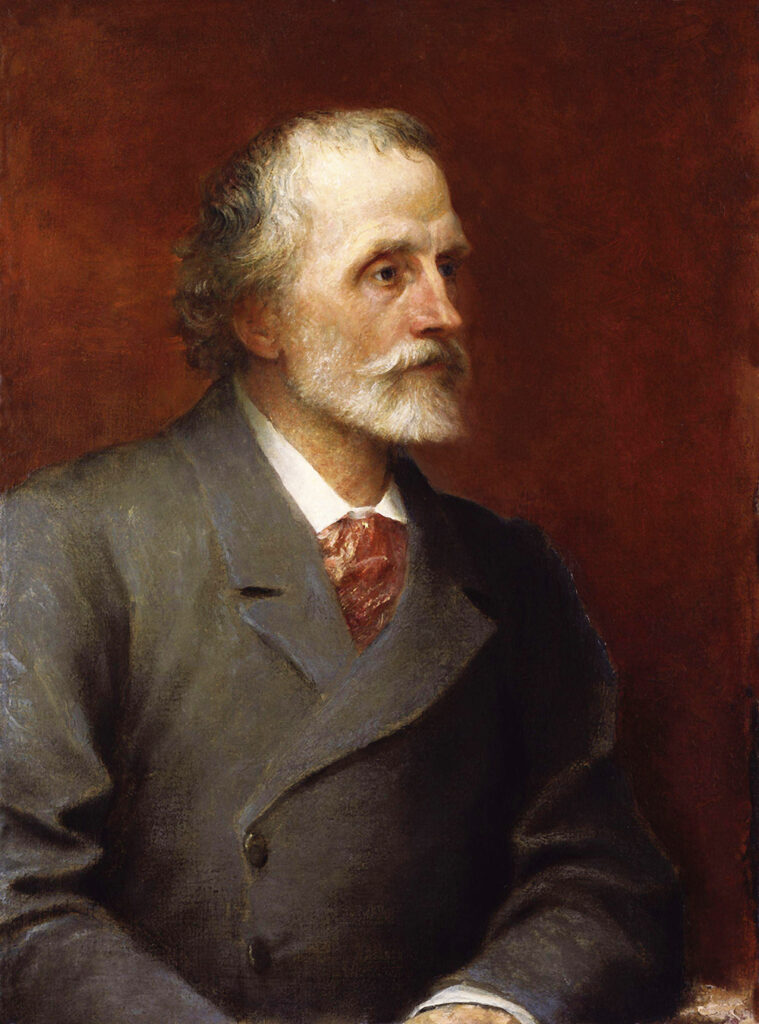
George Meredith (1828–1909) was one of the leading novelists of the Victorian Era, with The Egoist among his most enduring works.
The club organized two pilgrimages to visit George Meredith at his home, Flint Cottage, Box Hill, on 14th July 1900 and 12th July 1902. Meredith was made honorary member of the Whitefriars Club in 1901.
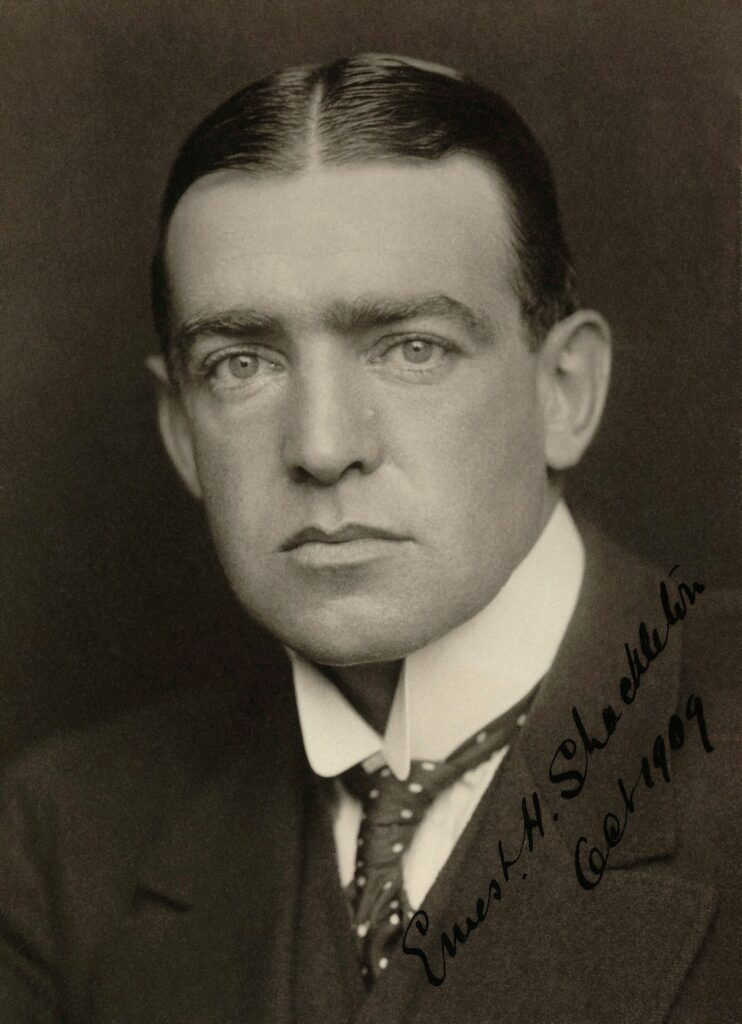
Sir Ernest Shackleton (1874–1922) was an Anglo-Irish explorer who led three legendary expeditions to the Antarctic.
Sir Ernest Shackleton spoke at the Whitefriars Club on the topic of ‘The Antarctic’ on 1st October 1909. On 17th December 1985, the Whitefriars held a 75th-Anniversary Dinner to commemorate Lieutenant Shackleton’s speech to the club.
Sir Hugh Walpole (1884–1941) was a lecturer and best-selling author, with the historical novel Rogue Herries among his best-known and most enduring works.
Hugh Walpole spoke at the Whitefriars Club on 26th November 1920 on the subject of ‘The Crisis in the Book Trade’.
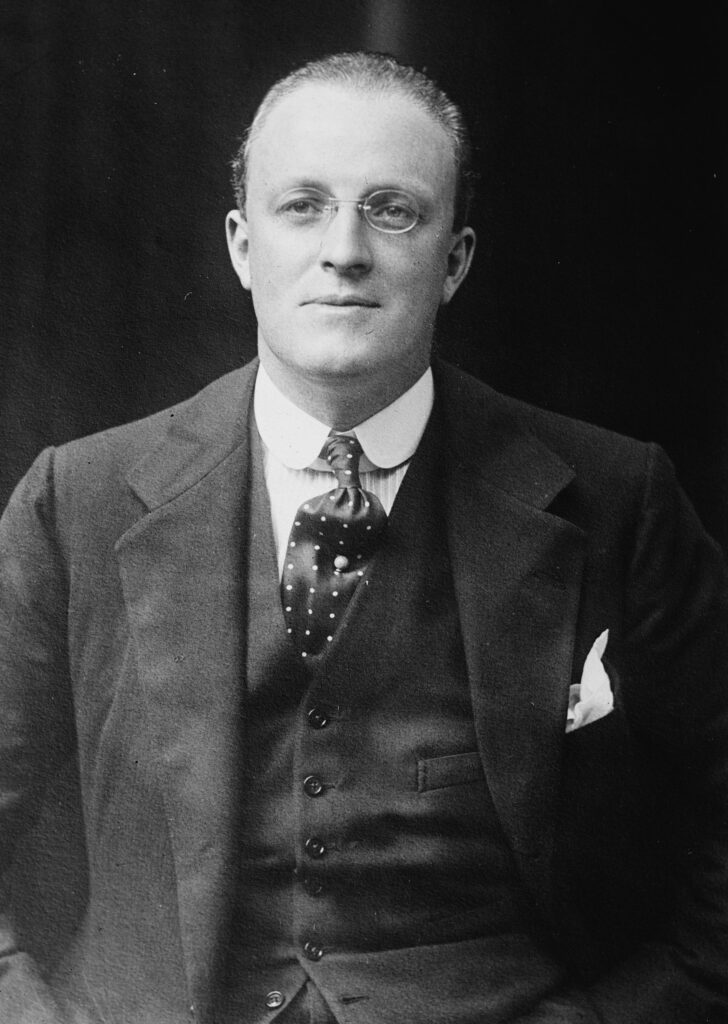
The prolific author of more than twenty novels, George Gissing (1857–1903) is today best remembered for novels such as Grub Street – which satirizes the literary and journalistic world of 1880s London – The Odd Women and The Nether World, which make him one of the finest satirists and social commentators of his time.
George Gissing attended the 20th April 1900 Dinner as a guest of Friar Edward Clodd.
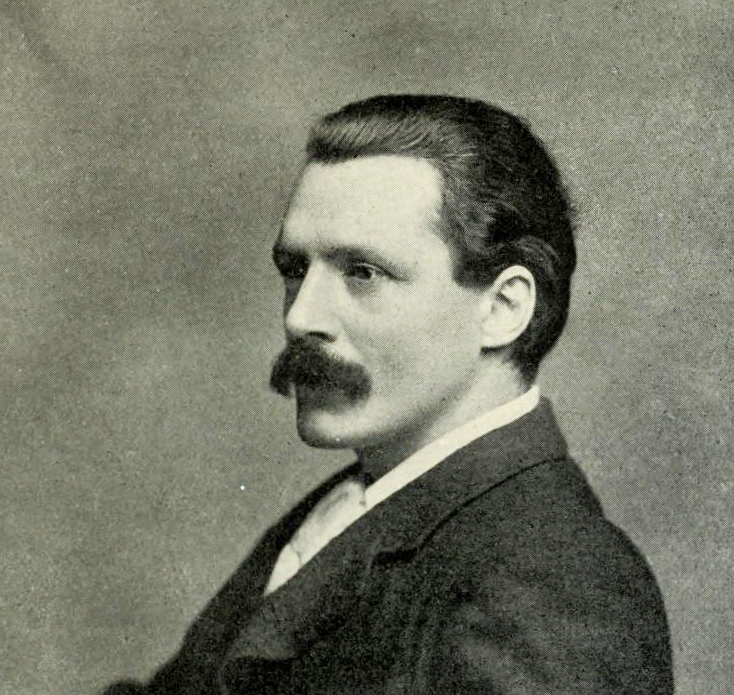
The Victorian novelist and poet Thomas Hardy (1840–1928) is most famous today for Far from the Madding Crowd, Jude the Obscure, Tess of the d’Urbervilles and other works set in the semi-fictional region of Wessex.
On 29th June 1901, the club organized a pilgrimage to Hardy Country, crowned by tea as guests of Mr and Mrs Thomas Hardy at Max Gate, Dorchester. Hardy was made honorary member of the Whitefriars Club later that year. He was due to speak on 29th October 1909, but was unable to attend, and a house dinner was held instead.
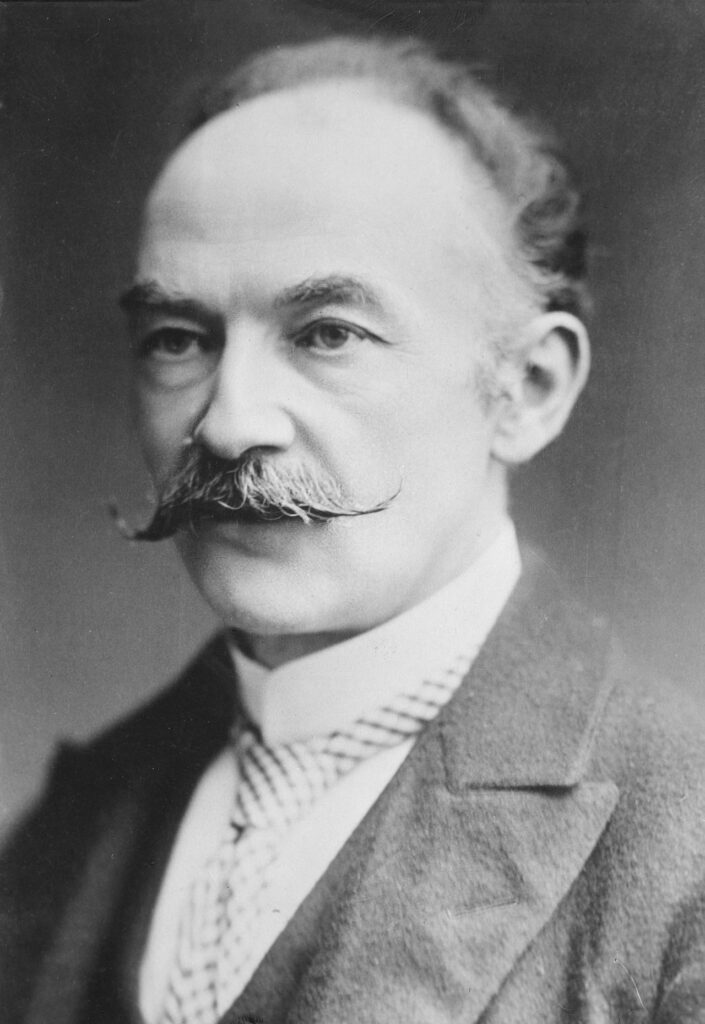
Neville Chamberlain (1869–1940), was a Conservative politician who served as prime minister of the United Kingdom from 1937 to 1940.
Neville Chamberlain spoke at the Whitefriars Club on 19th October 1923 on the subject of ‘Some Problems of Today’. At the time, he was Chancellor of the Exchequer during the first Baldwin ministry.
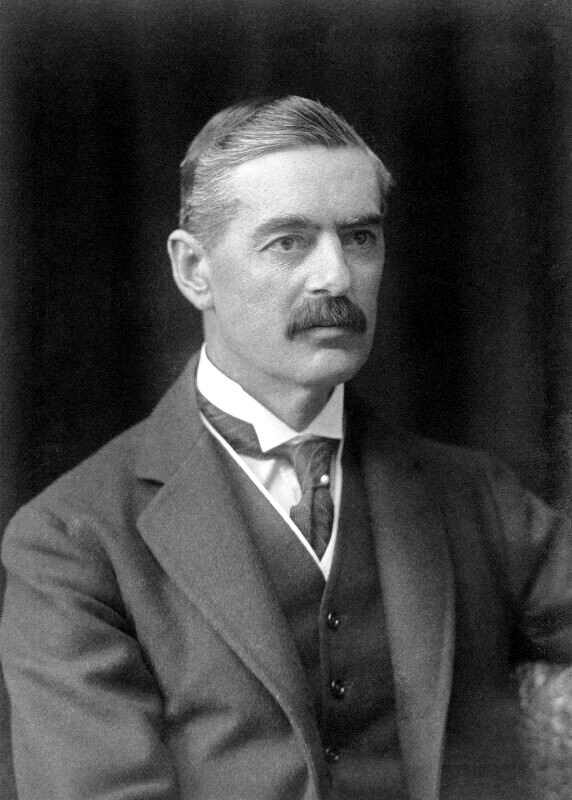
Sir Compton Mackenzie (1883–1972) was a Scottish writer of fiction, a biographer, a historian, a memoirist, as well as a cultural commentator.
Sir Compton Mackenzie spoke at the Whitefriars Club on the topic of ‘Romanticism and Realism’ on 4th November 1921. He also attended as a guest at the Ladies’ Dinner of 24th April 1925.