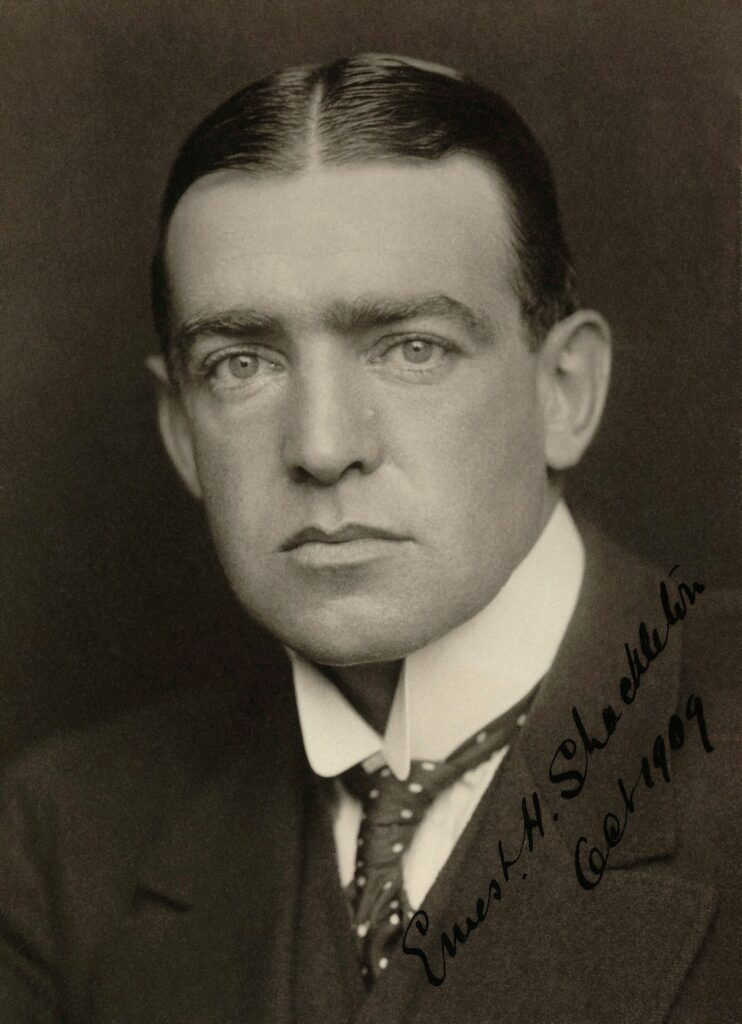
Joseph Hodges Choate (1832–1917) was an American lawyer and diplomat. He served as ambassador to the United Kingdom from 1899 to 1905.
Choate spoke twice at the Whitefriars Club: on 3rd November 1899 (‘Hands across the Sea’) and on 1st May 1903.
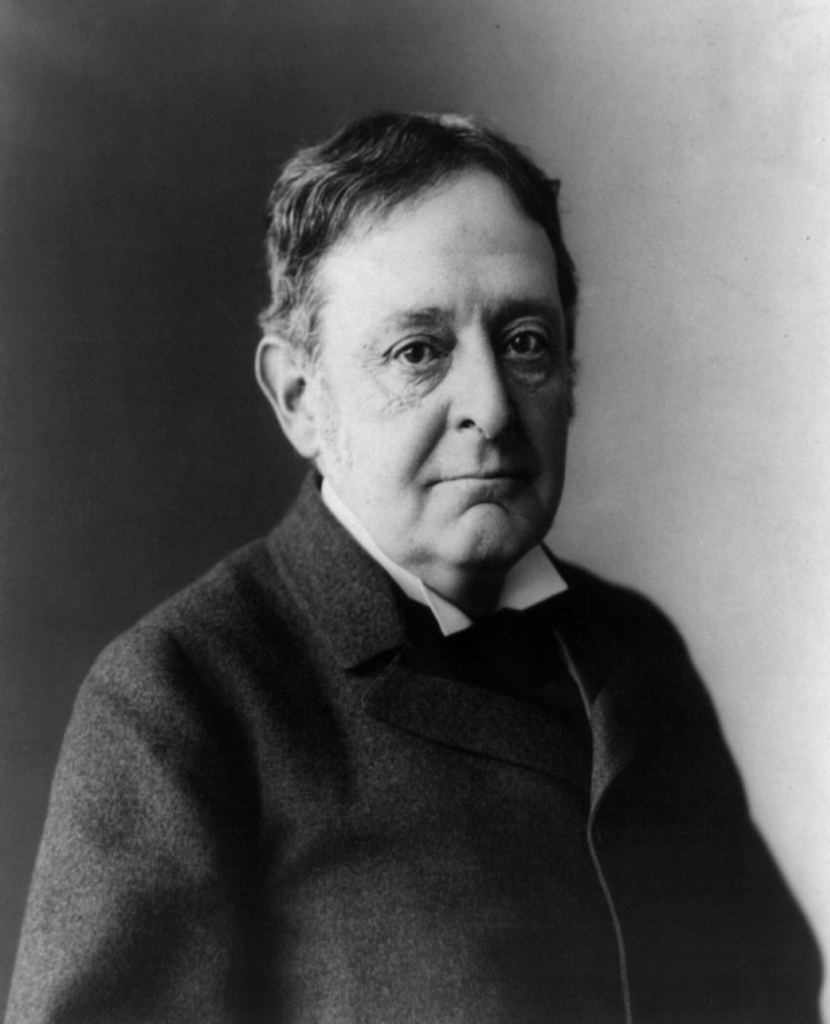
George Gissing, the celebrated author of the novel New Grub Street, which satirizes the literary and journalistic world of 1880s London, attended the 20th April 1900 Dinner as a guest of Friar Edward Clodd.
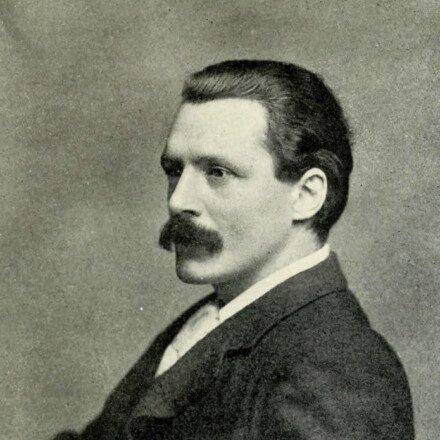

Only four years after its foundation, on 6th September 1872, the Whitefriars Club held one of its most memorable and eventful dinners.
Read more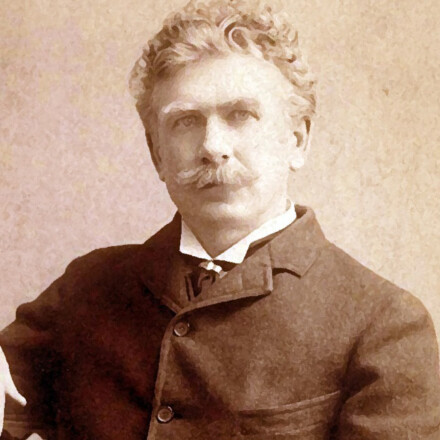
Joseph Hodges Choate (1832–1917) was an American lawyer and diplomat. He served as ambassador to the United Kingdom from 1899 to 1905.
Choate spoke twice at the Whitefriars Club: on 3rd November 1899 (‘Hands across the Sea’) and on 1st May 1903.
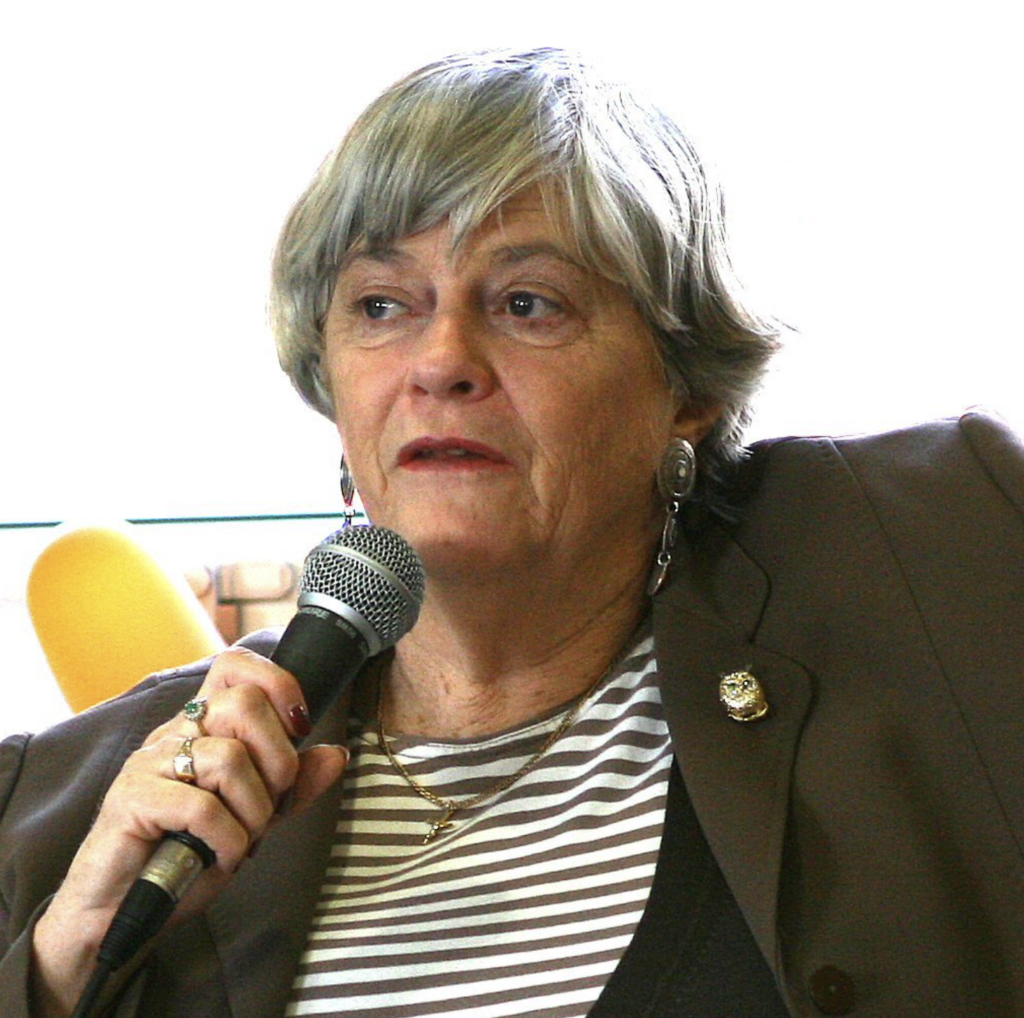
Ann Widdecombe (b. 1947) is an English politician and television personality. She was the MP for Maidstone and The Weald from 1987 to 2010 and the MEP for South West England from 2019 to 2020.
She spoke twice at the Whitefriars Club: on 24th October 2006 and on 21st October 2015 (‘Life after Westminster’).
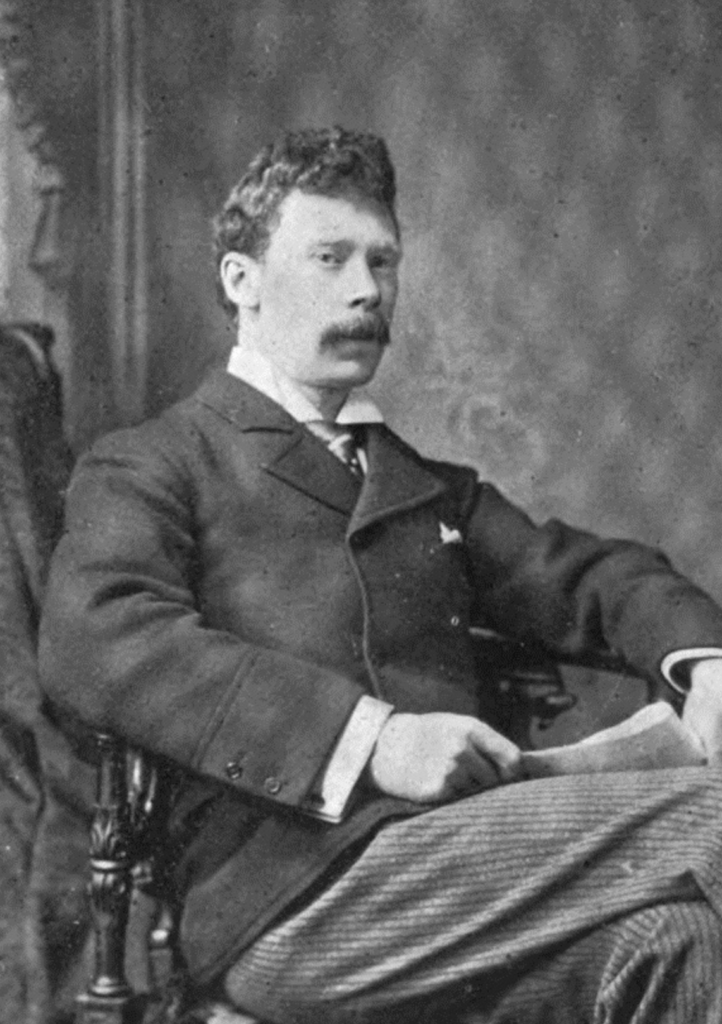
Sir Arthur Quiller-Couch, who published under the pseudonym “Q” (1863–1944), was a prolific novelist, a literary critic and the editor of the monumental The Oxford Book of English Verse 1250–1900.
He spoke twice at the Whitefriars Club: on 8th April 1904 (‘What are the Dominating Influences in Literary Productions?’) and on 7th March 1913.
Robert Hardy CBE (1925–2017) was a celebrated English actor who had a long career in theatre, film and television.
He spoke three times at the Whitefriars Club: on 17th October 1985, on 29th June 1995 and on 15th May 2007.
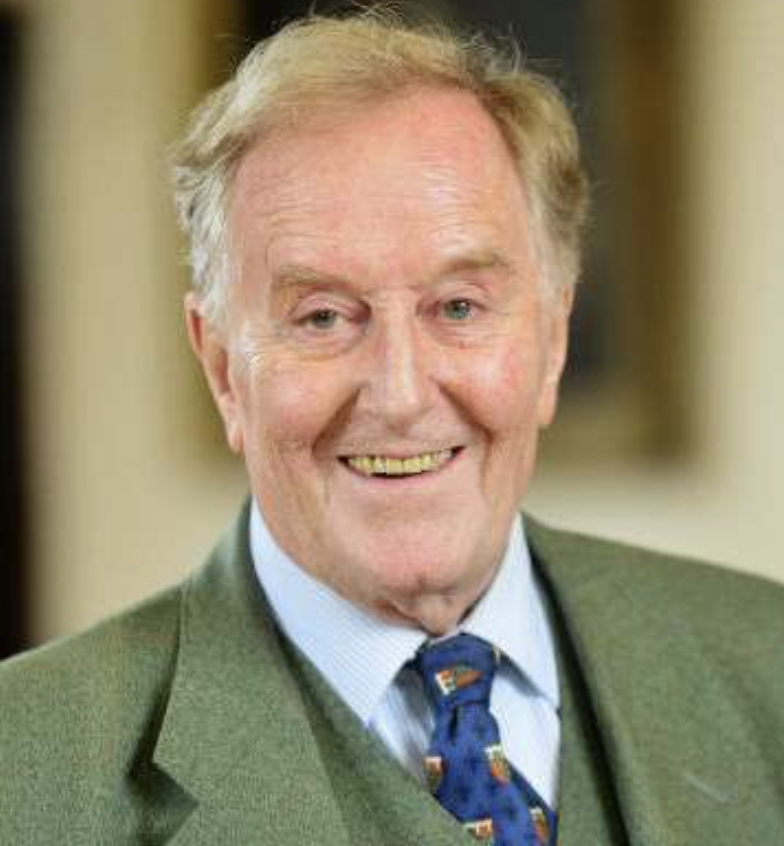
Sir Henry Newbolt (1862–1938) was a poet, novelist and historian, best remembered today for his poem ‘Vitaï Lampada’.
He spoke three times at the Whitefriars Club: on 1st May 1903, on 26th February 1904 (‘The Relations of Editors and Contributors’) and 10th March 1905.
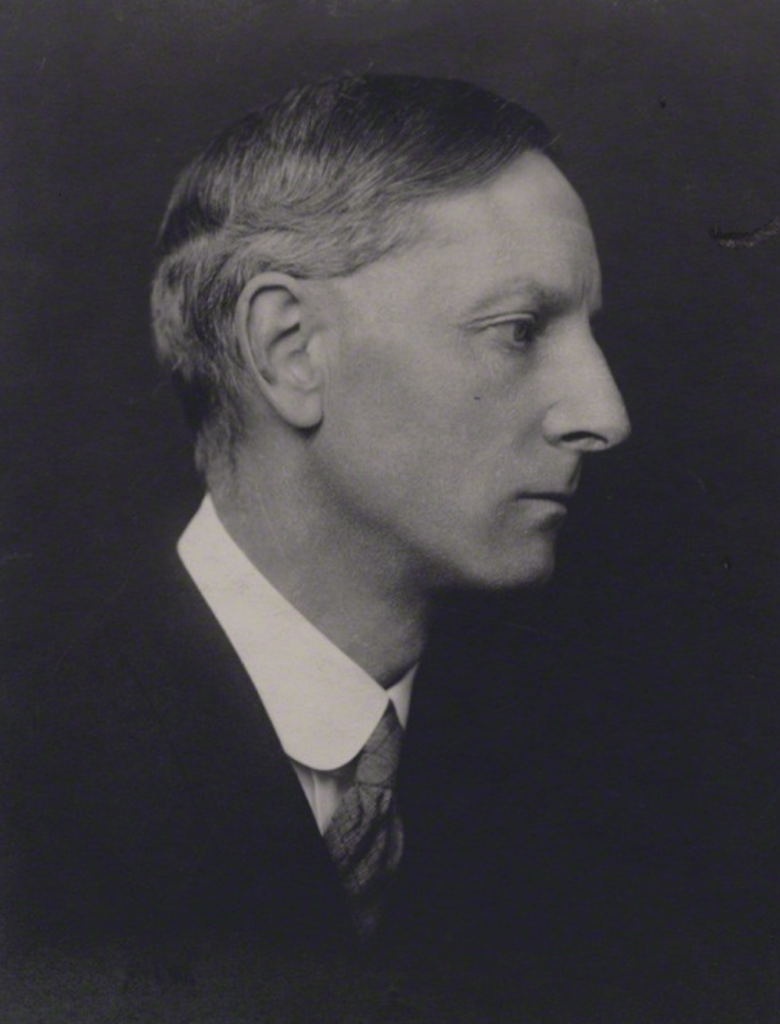
Augustine Birrell (1850–1933) was a Liberal Party politician who was Chief Secretary for Ireland from 1907 to 1916.
He spoke five times at the Whitefriars Club: on 16th February 1901, on 25th April 1902, on 27th January 1905, on 5th December 1917 (‘A Talk about Books’) and on 14th December 1923.
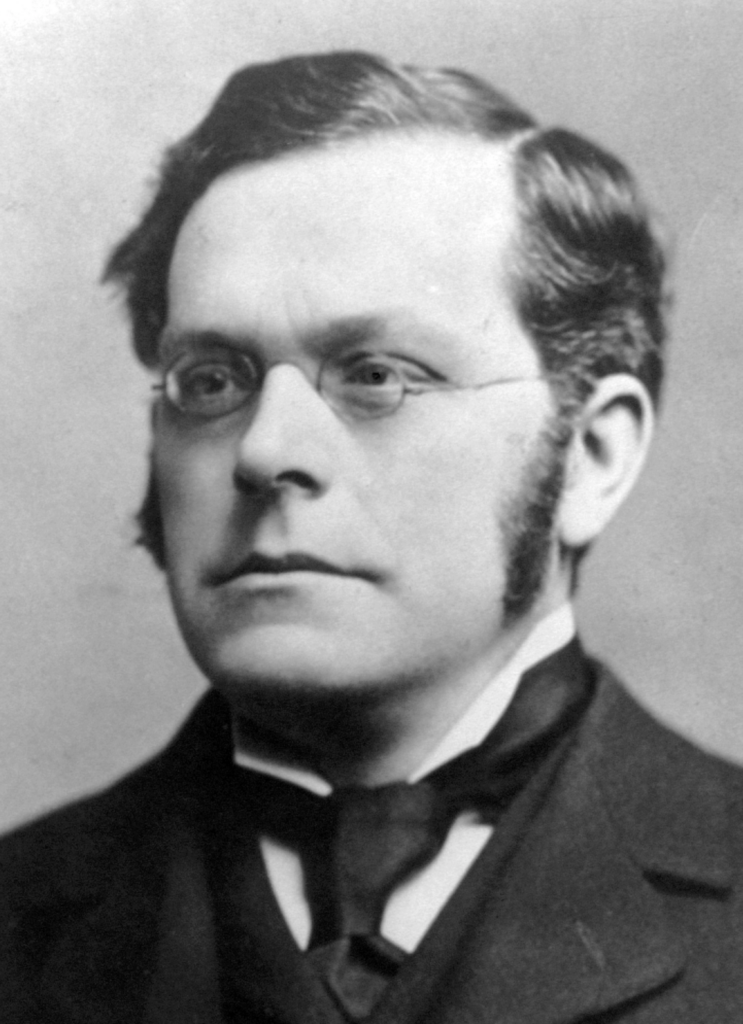
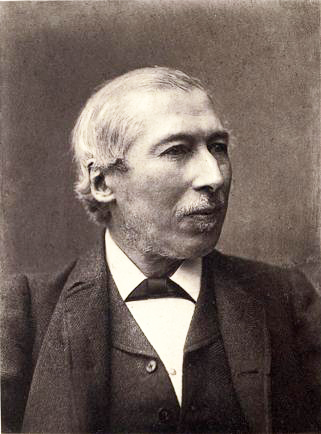
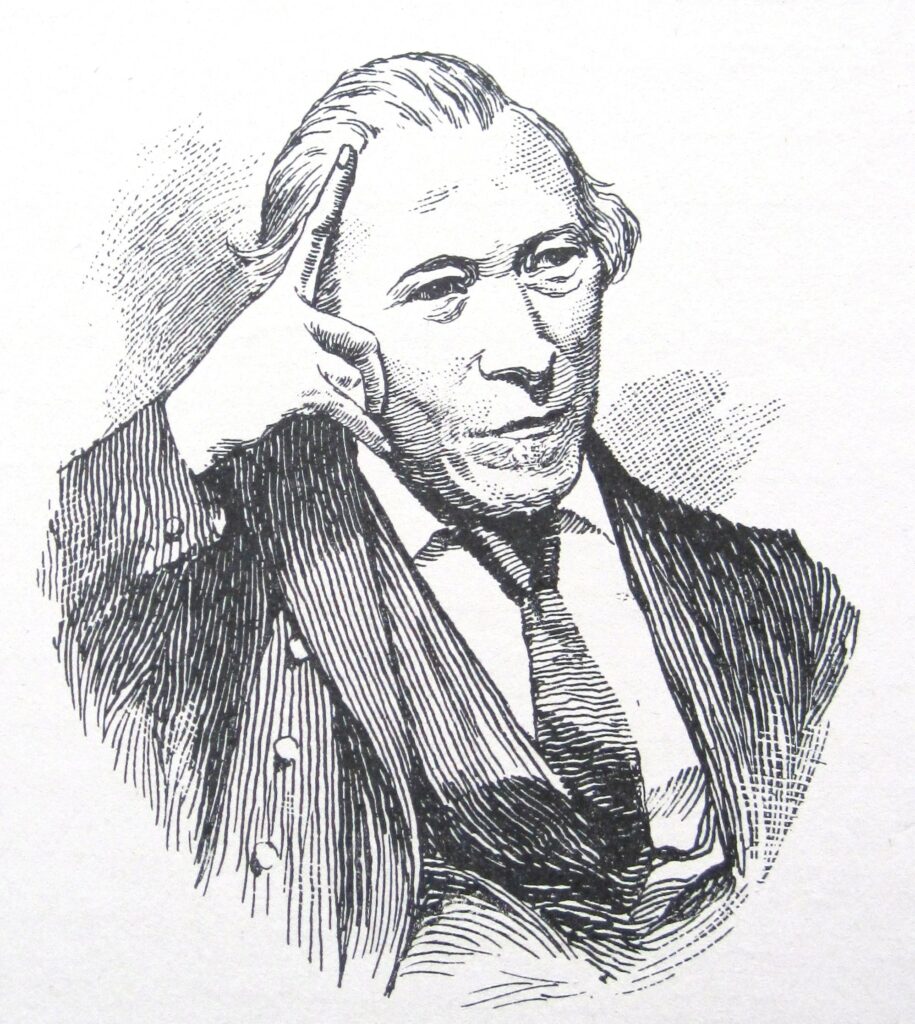
Edward Litt Laman Blanchard, also known as E.L. Blanchard (1820–89), was a prolific and acclaimed author of dramas and pantomimes. He was also a journalist and a renowned newspaper drama critic.
Friar E.L. Blanchard was a member of the Whitefriars during the club’s first 20 years. He was Prior of the Day at the Annual Dinner on 12th February 1881 and the Smoking Lecture: ‘A Gossip about the Past’ on 18th May 1883.
Dr Colin Smythe gave a talk about Friar Blanchard at the AGM Dinner of 25th May 2022. You can read a report of his speech here.
(Below: A portrait drawing of E.L. Blanchard from The Whitefriars Chronicles, p. 63)
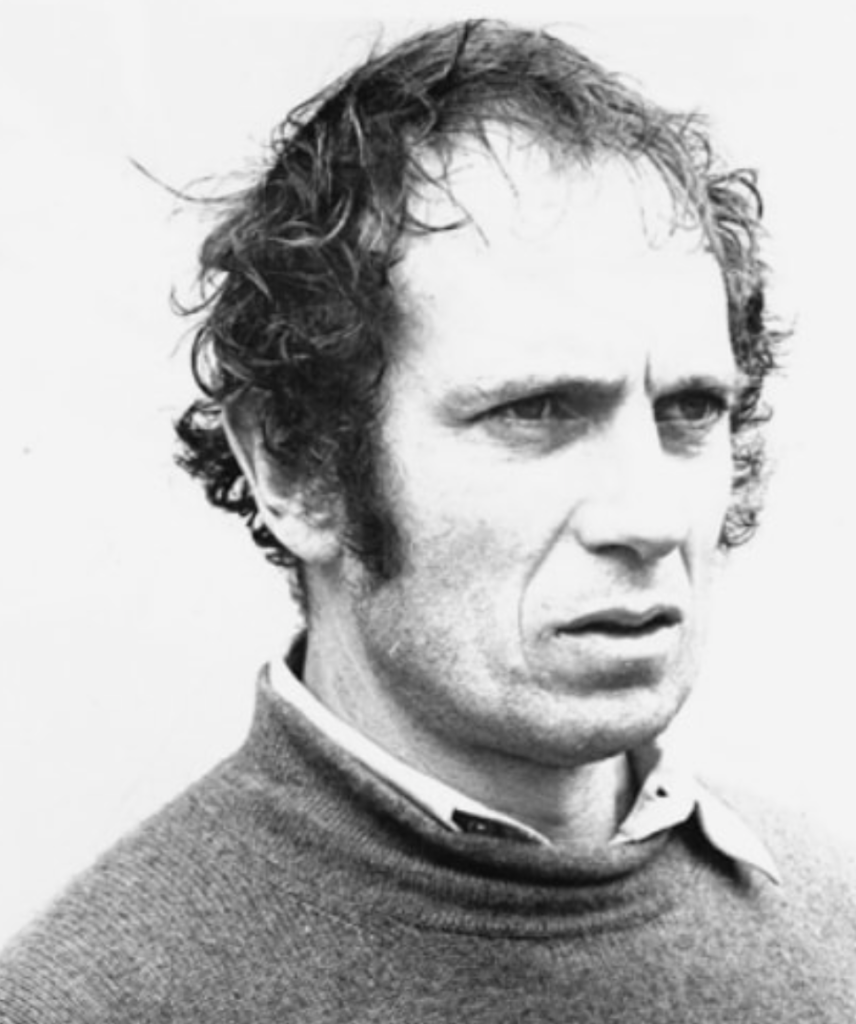
Christopher Logue (1926–2011) was a pacifist and a poet associated with the British Poetry Revival movement.
Logue spoke at the Whitefriars Club 21st October 1959 on the subject of ‘The Modern Poet in Print’.
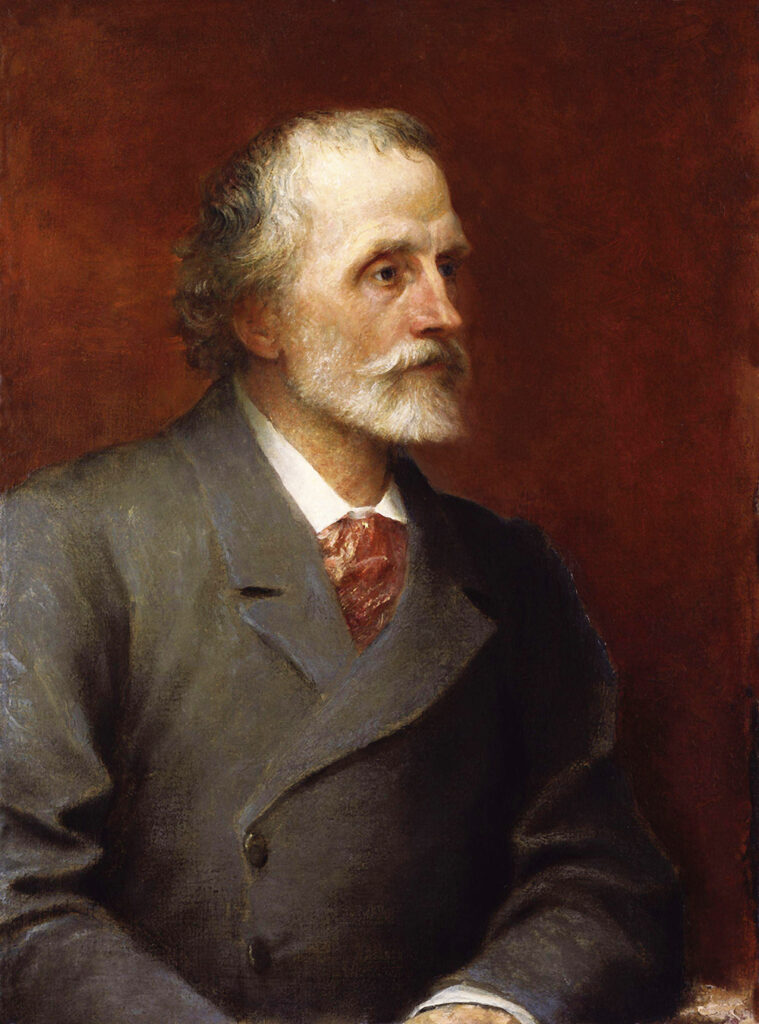
George Meredith (1828–1909) was one of the leading novelists of the Victorian Era, with The Egoist among his most enduring works.
The club organized two pilgrimages to visit George Meredith at his home, Flint Cottage, Box Hill, on 14th July 1900 and 12th July 1902. Meredith was made honorary member of the Whitefriars Club in 1901.
Sir Ernest Shackleton (1874–1922) was an Anglo-Irish explorer who led three legendary expeditions to the Antarctic.
Sir Ernest Shackleton spoke at the Whitefriars Club on the topic of ‘The Antarctic’ on 1st October 1909. On 17th December 1985, the Whitefriars held a 75th-Anniversary Dinner to commemorate Lieutenant Shackleton’s speech to the club.