According to the club’s records, there are eleven people who have spoken to the club more than once.
The full list is:
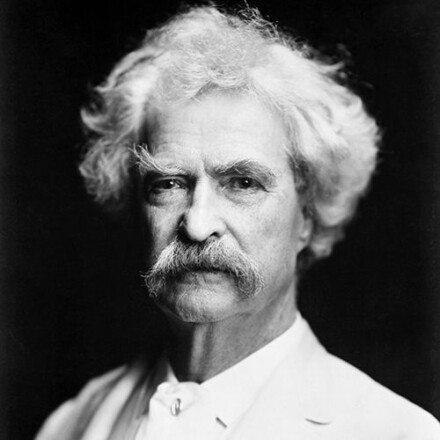
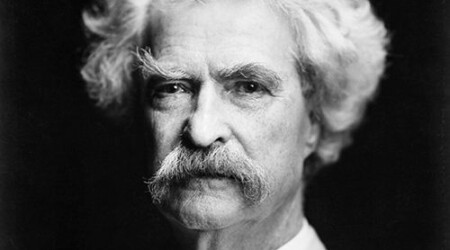
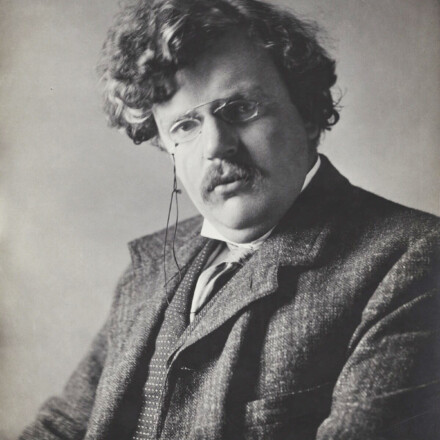
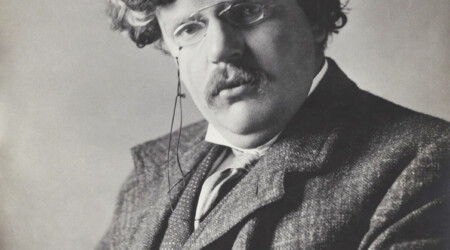
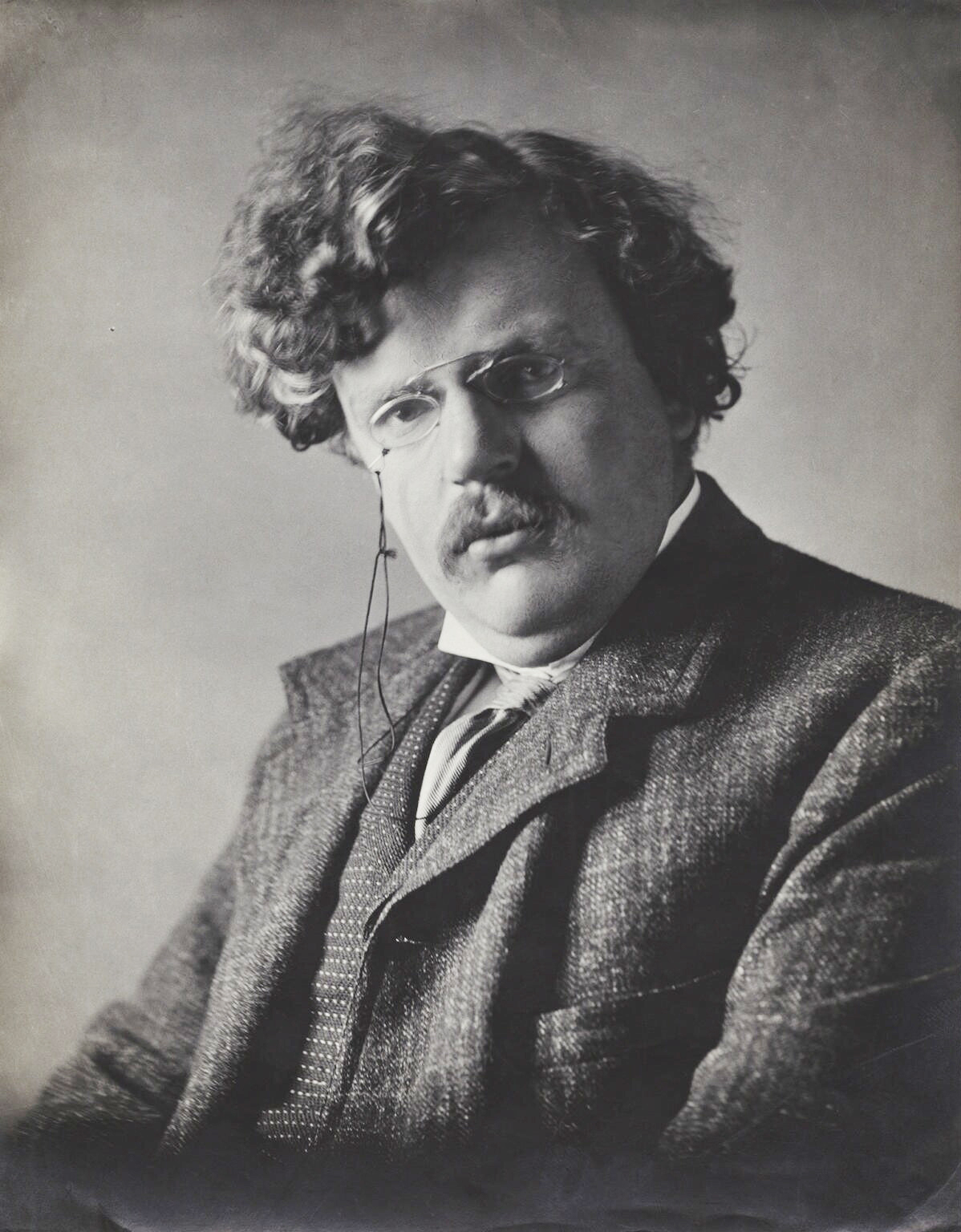
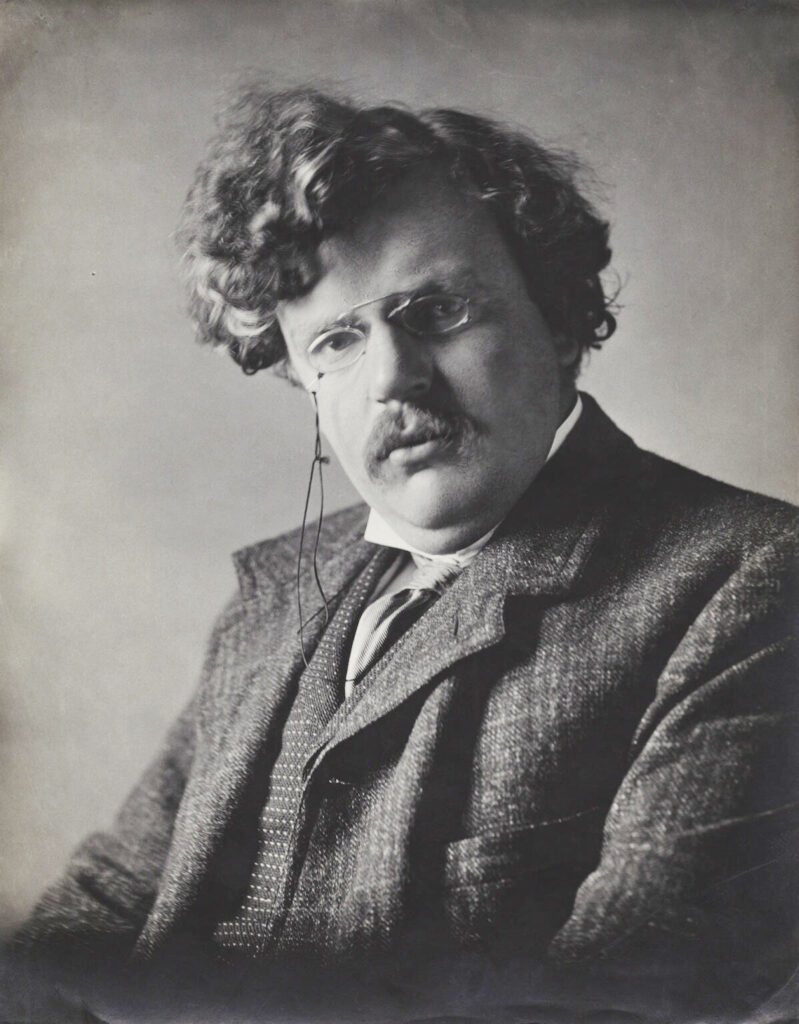
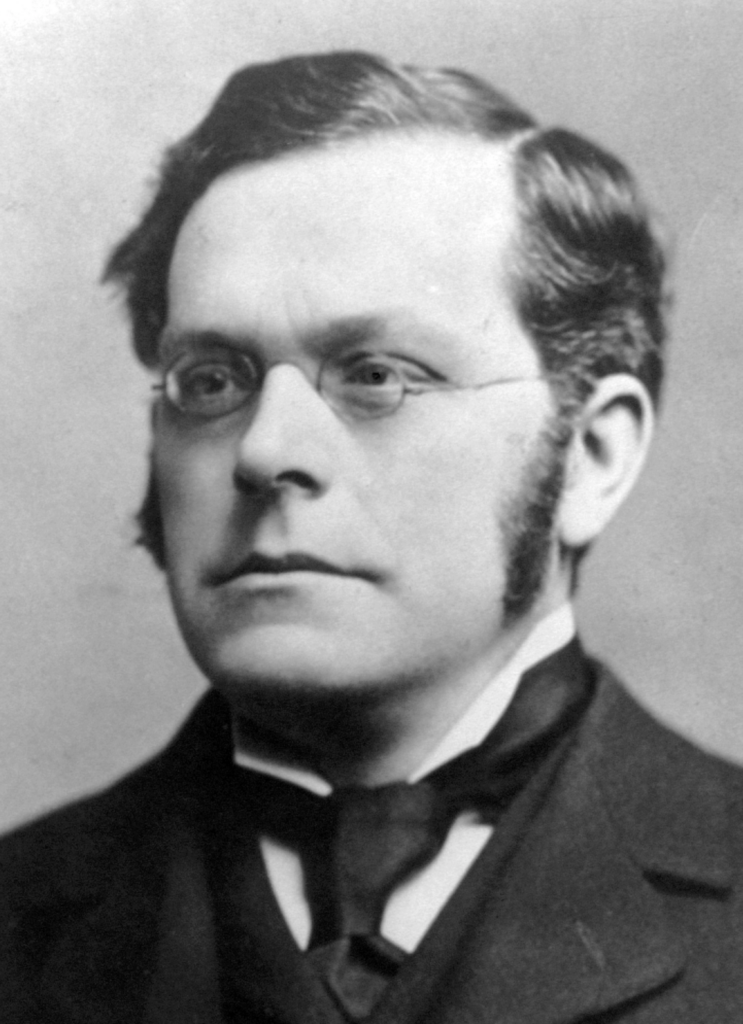
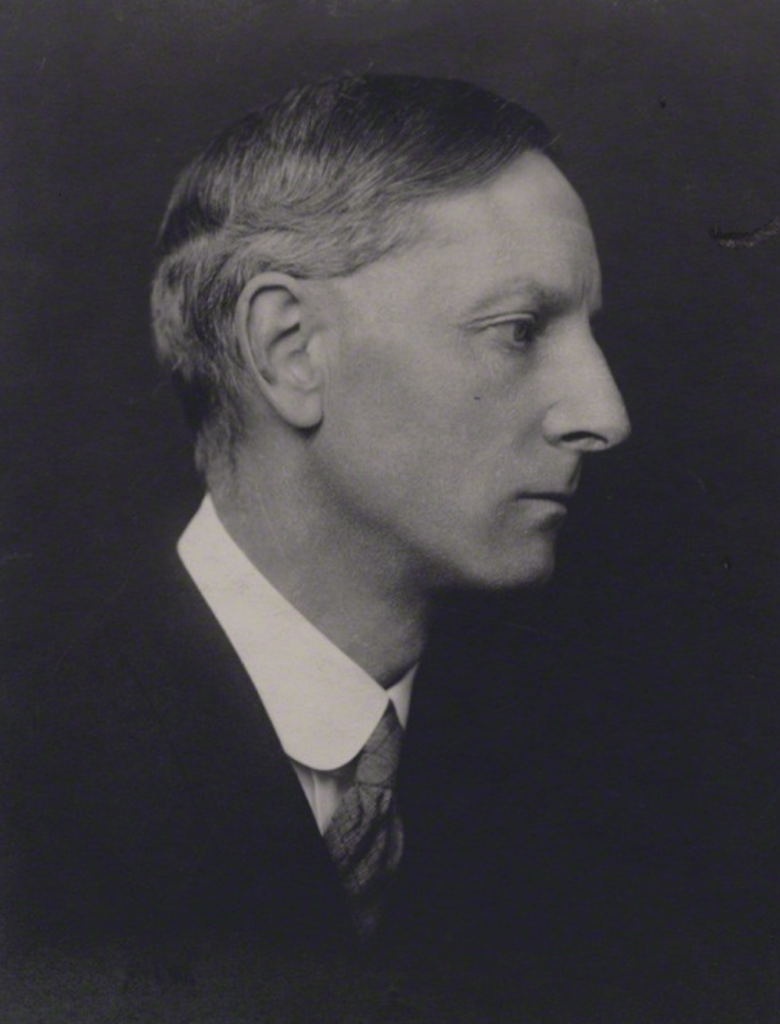
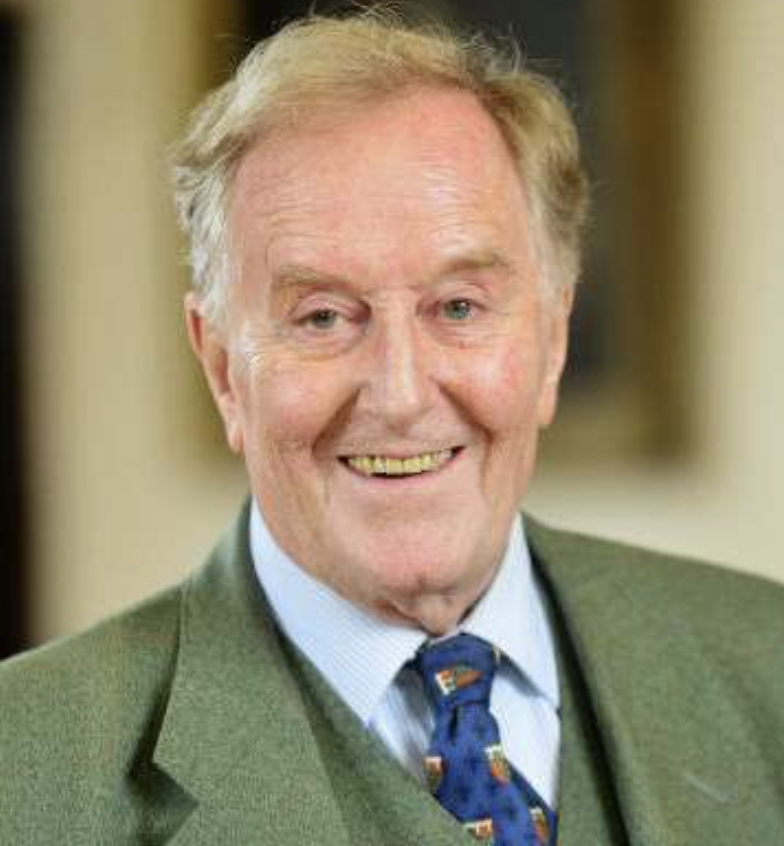
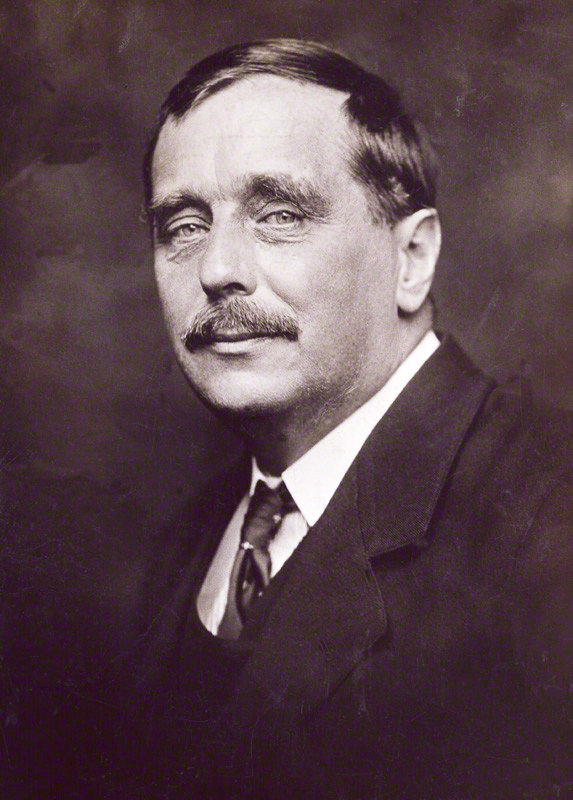
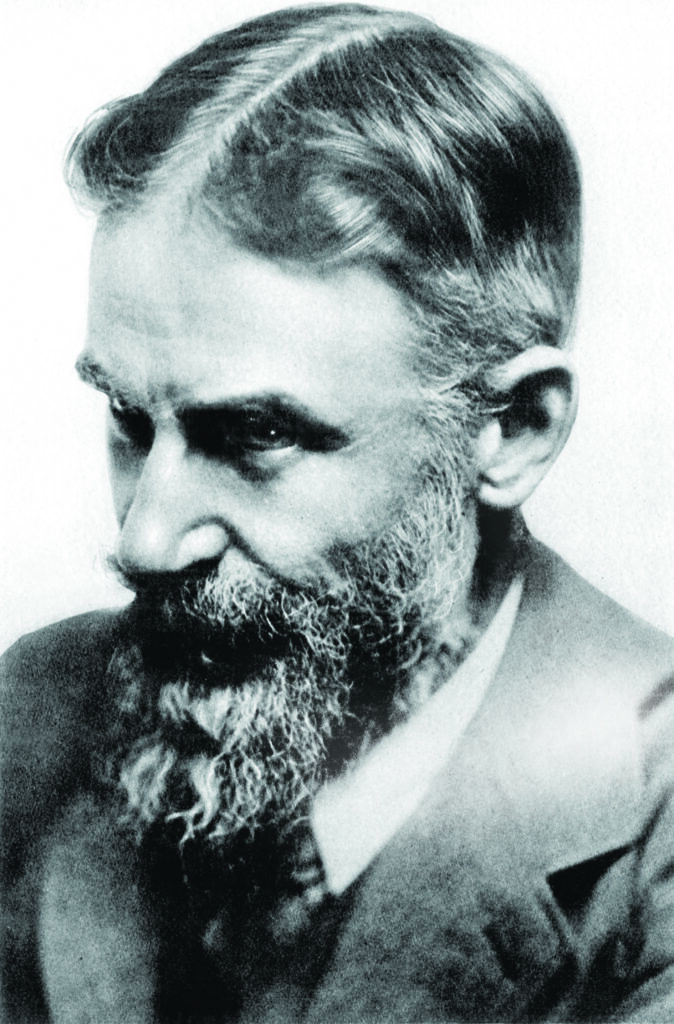
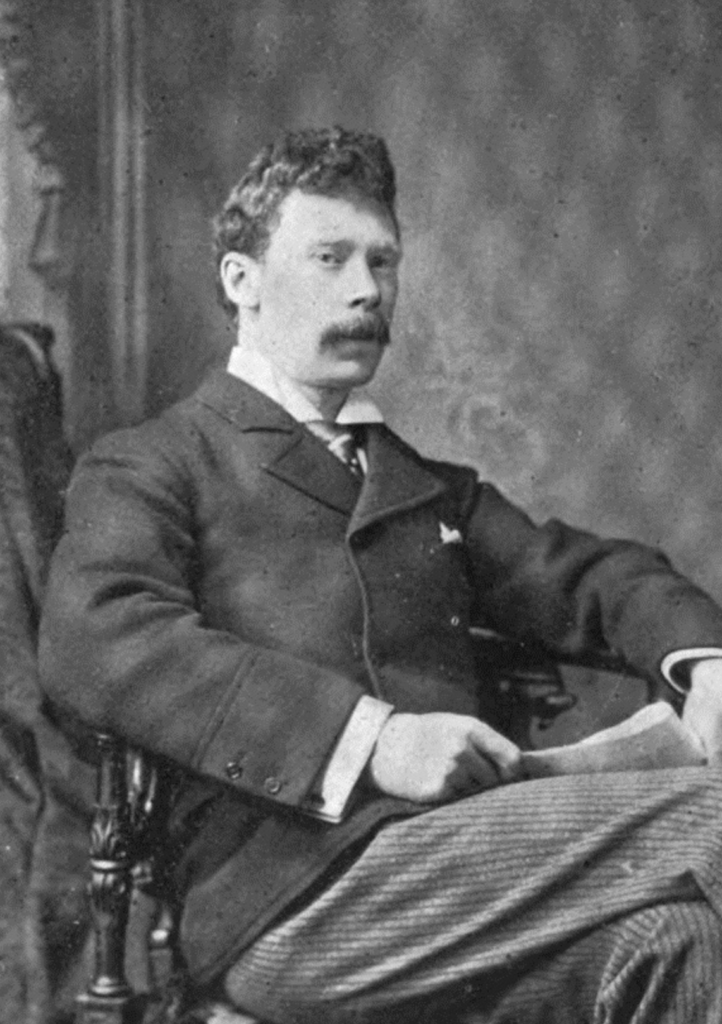
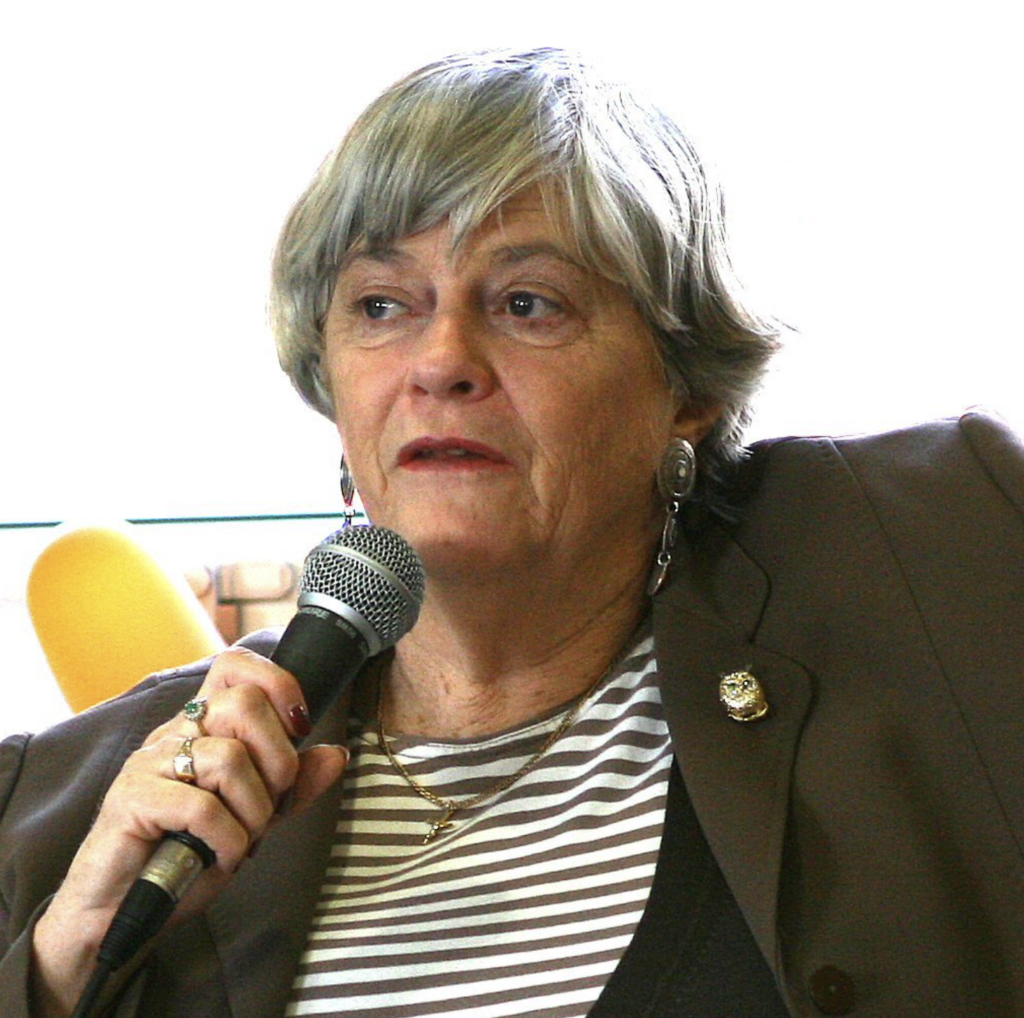
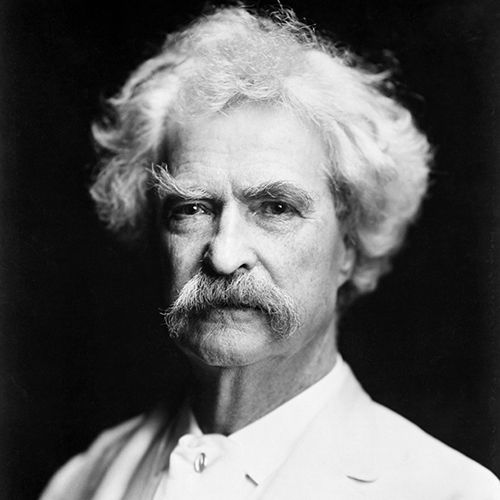
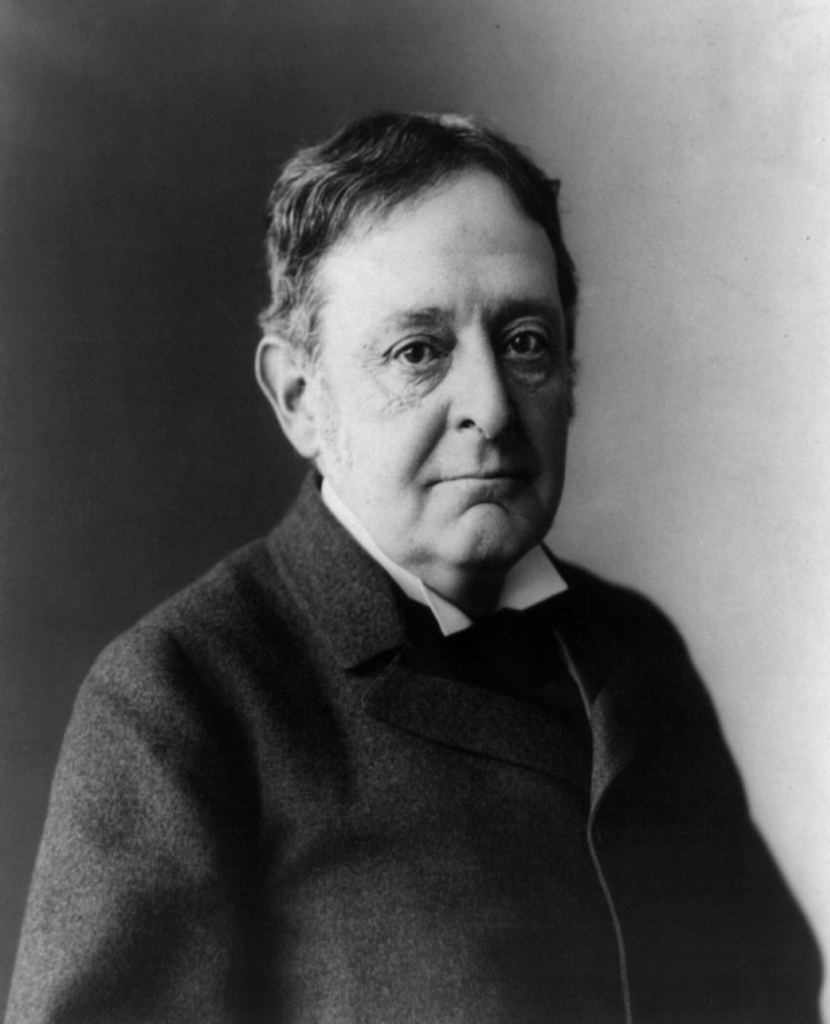
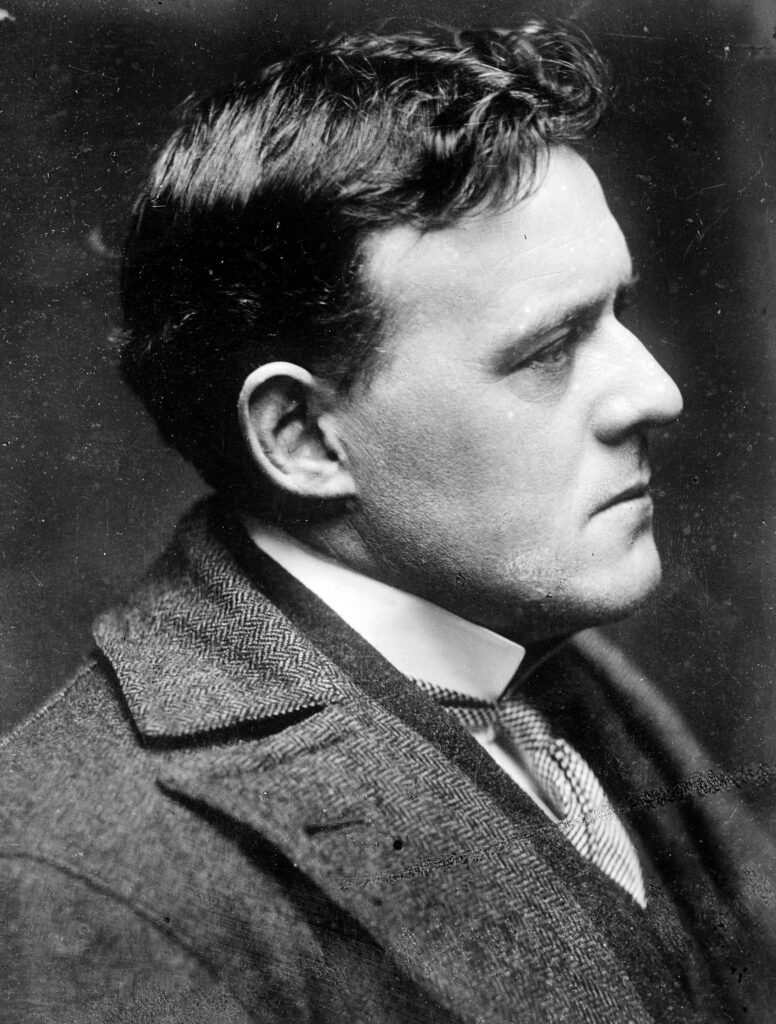
G.K. Chesterton: six times (6th November 1903, 18th January 1907, 3rd April 1908, 17th December 1909, 2nd May 1924, 15th December 1927) Augustine Birrell: five times (16th February 1901, 25th April 1902, 27th January 1905, 5th December 1917, 14th December 1923) Sir Henry Newbolt: three times (1st May 1903, 26th February 1904, 10th March 1905) Robert Hardy: three times (17th October 1985, 29th June 1995, 15th May 2007) H.G. Wells: twice (31st January 1902, 17th March 1905) George Bernard Shaw: twice (16th February 1906, 29th October 1920) Sir Arthur Quiller-Couch – “Q”: twice (8th April 1904, 7th March 1913) Ann Widdecombe: twice (24th October 2006, 21st October 2015) Mark Twain: twice (6th September 1872, 16th June 1899) Joseph Hodges Choate: twice (3rd November 1899, 1st May 1903) Hilaire Belloc: twice (20th March 1903, 30th April 1909)
G.K. ChestertonAugustine BirrellSir Henry NewboltRobert HardyH.G. WellsGeorge Bernard ShawSir Arthur Quiller-CouchAnn WiddecombeMark TwainJoseph Hodges ChoateHilaire Belloc
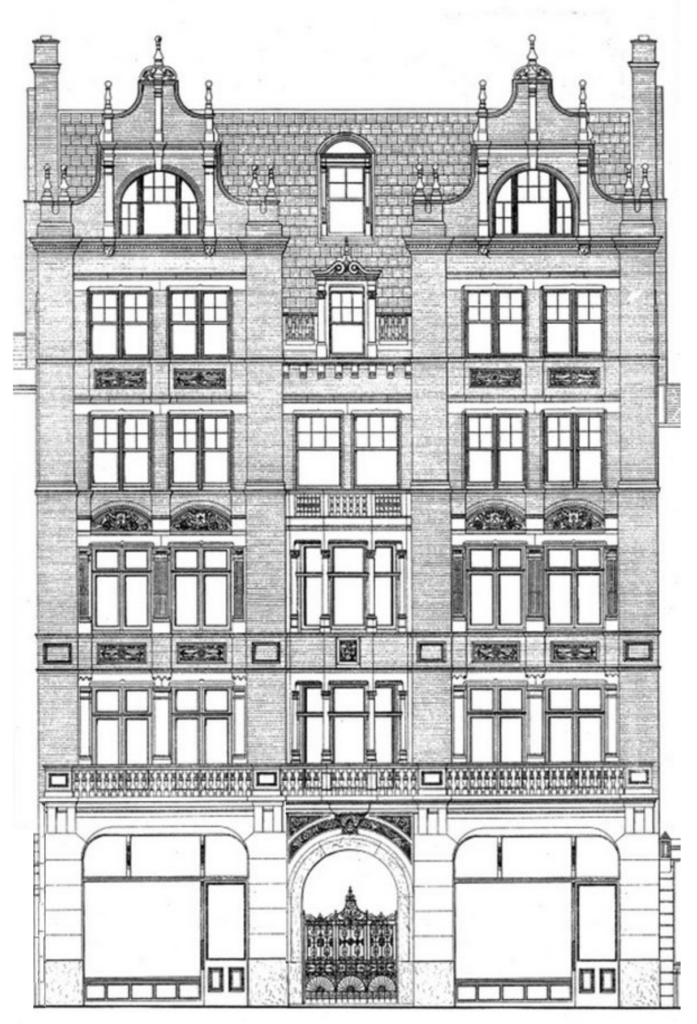
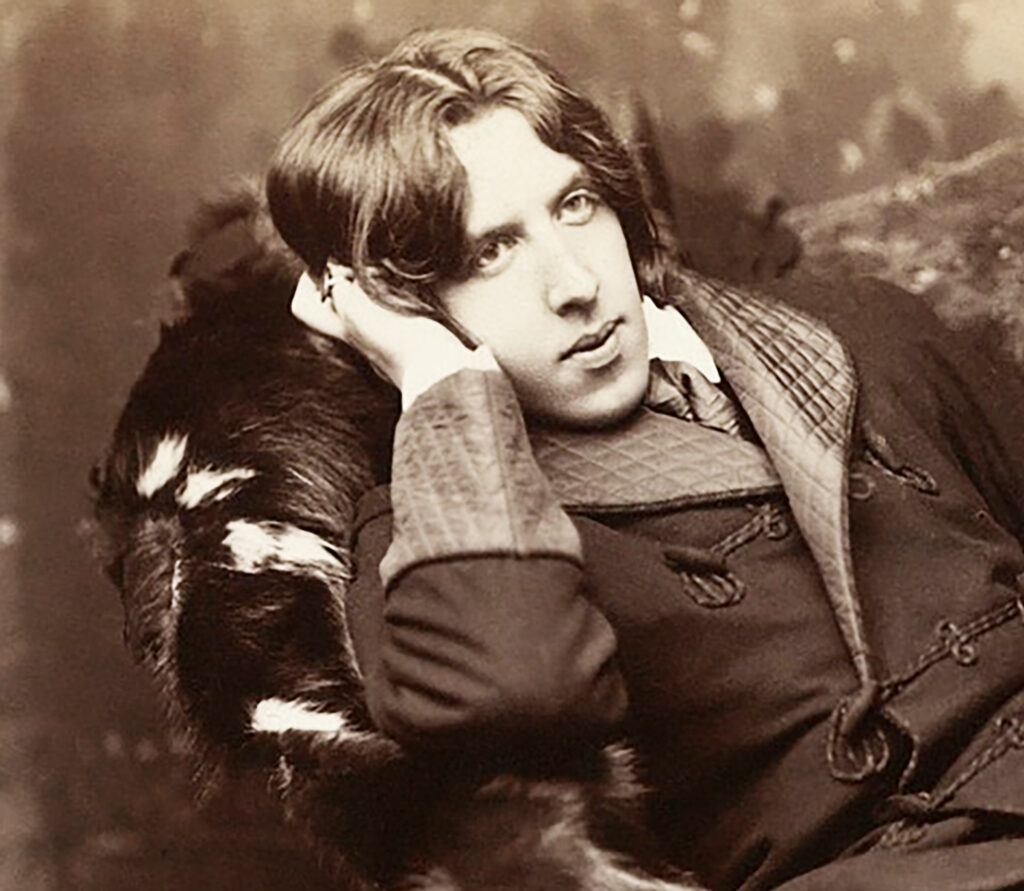
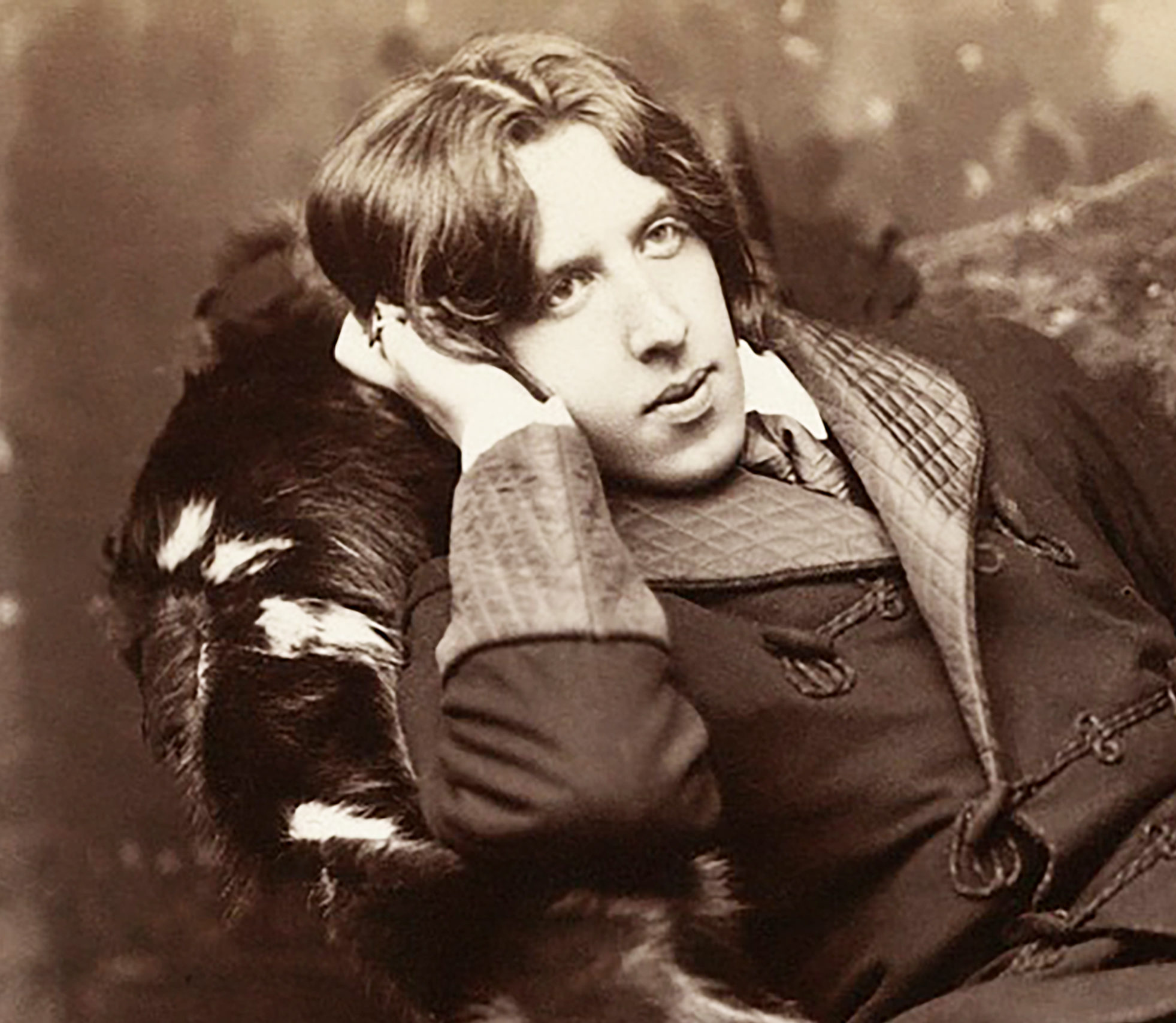
In July 1890, Oscar Wilde called at the Whitefriars Club’s rooms at Anderton’s Hotel and had a long talk about Dorian Gray with Friar Sidney Low, then editor of the St James’s Gazette.
There is no record of Oscar Wilde ever being present at one of the club’s dinners, although he may have attended as a guest of Sidney Low himself.
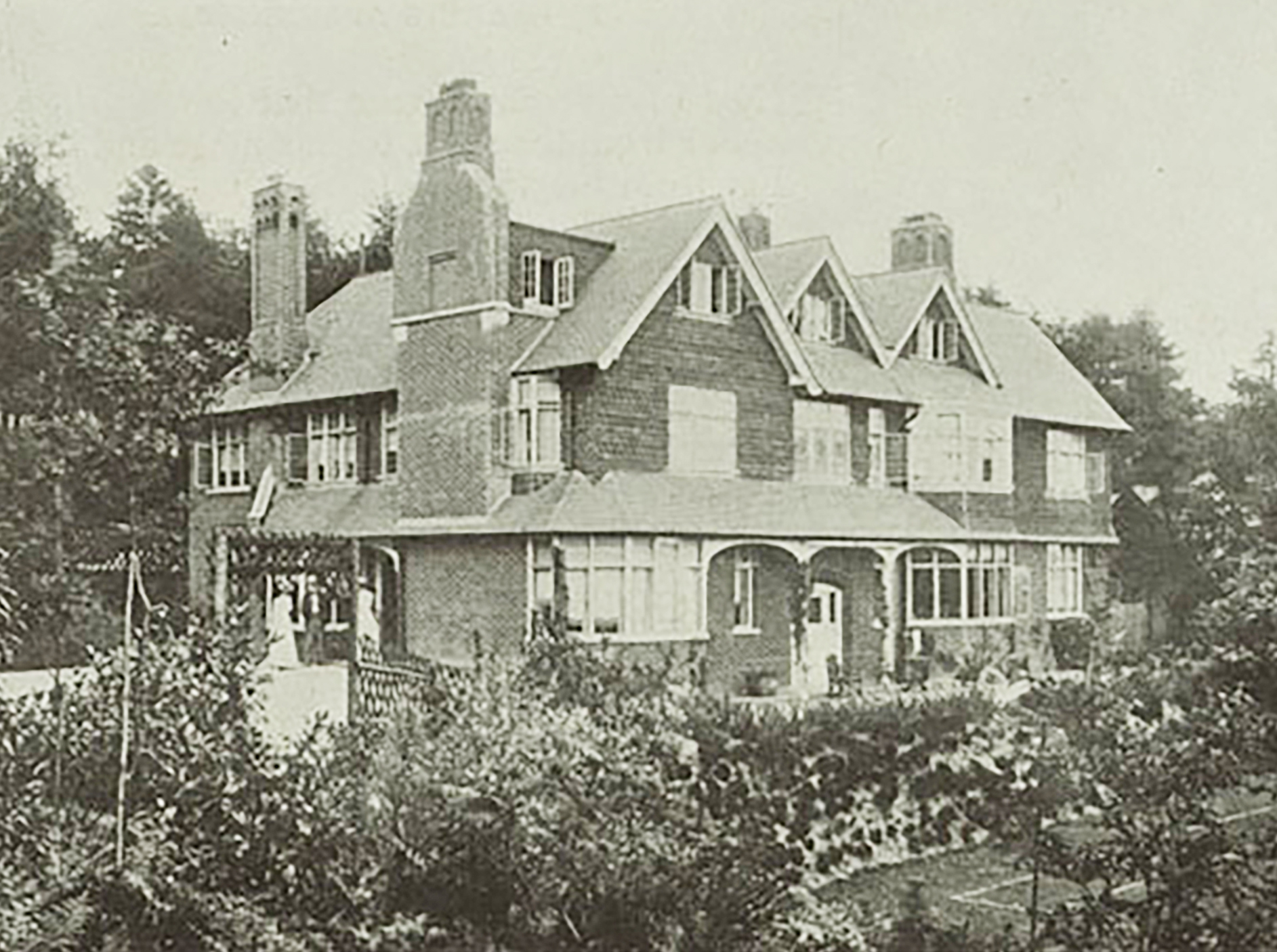
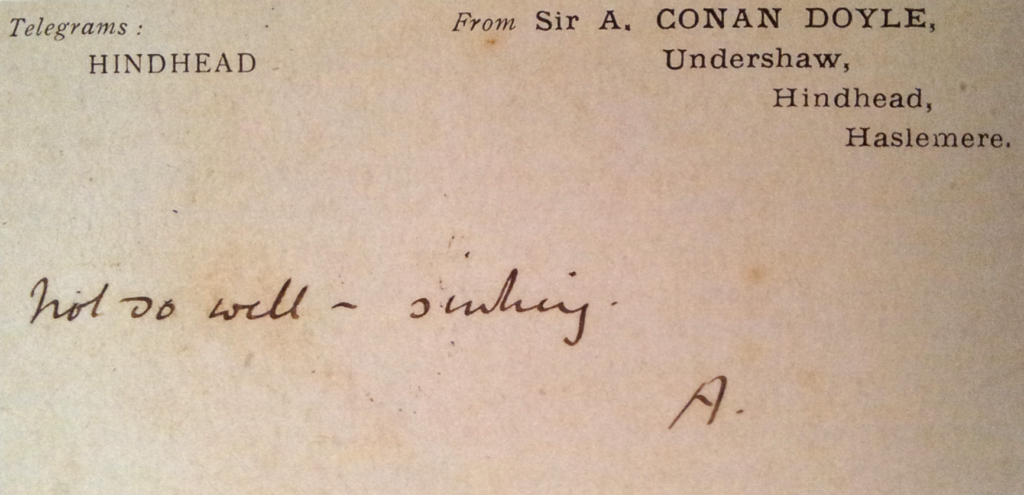
The July 1906 Pilgrimage to Tennyson country was one of the most anticipated events of the year. The Whitefriars Journal of April 1906 wrote: “It is unnecessary to repeat the information in the circular in regard to the summer pilgrimage to Hindhead, but the very kind way in which Lord Tennyson, Sir Arthur and Lady Conan Doyle, Dr and Mrs Rideal and others have interested themselves to ensure that the occasion shall be memorable justifies the Committee in the belief that this most picturesque and carefully planned excursion will strongly appeal to the Friars and their ladies.” Unfortunately, on 4th July 1906, a few days before the arrival of the Whitefriars party, Louise, the first Lady Conan Doyle, died at the age of 49 at Undershaw, Hindhead, Surrey, from the effects of chronic tuberculosis. Her funeral took place two days later at St Luke’s Church, Grayshot, in the presence of Sir Arthur Conan Doyle, chief mourner, Louise’s sister Miss Hawkins and other close acquaintances of the celebrated author.
The Batley News and Yorkshire Woollen District Advertiser reported on 13th July 1906:
A Whitefriars Club Pilgrimage
Those of us who belong to the famous Whitefriars Club insist it is the most interesting literary and artistic coterie in London. We would not exchange the brilliancy of talk at one of our Friday night dinners for seats in the House of Lords. Now and then we go on pilgrimages and take our wives with us. Last Saturday the Whitefriars journeyed to Tennyson-land – that most picturesque part of Surrey lying round Hindhead. The day was fragrant and warm: the hill sides were brushed with heather, and the scenery was certainly as beautiful as any to be found within the three seas. A good many of the friars went to Aldworth House on Black Down, the summer home and death place of the late Poet Laureate. The present Lord Tennyson and Lady Tennyson had not only kindly welcome but also tea for their visitors, and were delighted to show not only the library, but also many interesting mementoes of the poet. The pleasure of the day, however, was a little darkened by two events. Sir Arthur Conan Doyle had invited the friars to his house at Hindhead, but the sad death of Lady Doyle only three days previously had put that out of the question. Then there was the absence of [former Hon. Sec.] Mr Arthur Spurgeon, who has done more than anyone to raise the Whitefriars Club to its present position of eminence in the literary world. Stricken with illness a couple of months ago, he has been lying for weeks on a sick bed, and must have deeply felt, as all his brother-friars felt, the cause of his absence. He is now convalescent and at Eastbourne, and the brethren look forward to his speedy re-appearance at the Fleet Street dinners.
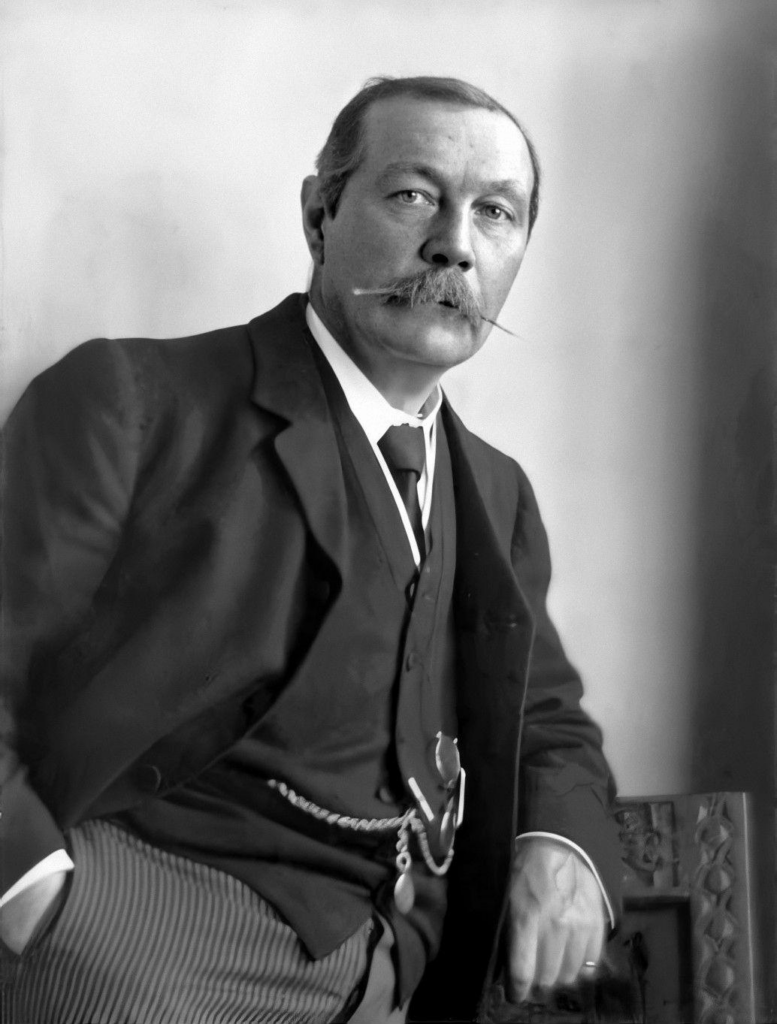
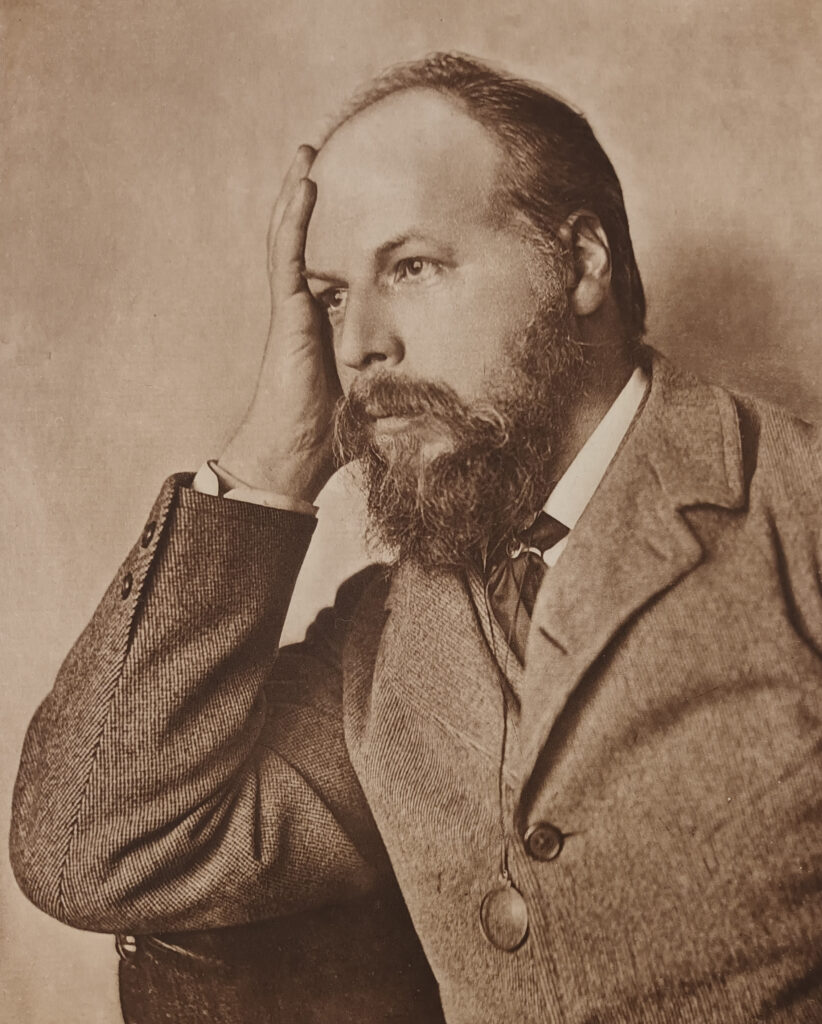
(Below: Arthur Conan Doyle in 1917; Hallam Tennyson; Arthur Conan Doyle’s Telegram of 3rd July 1906)