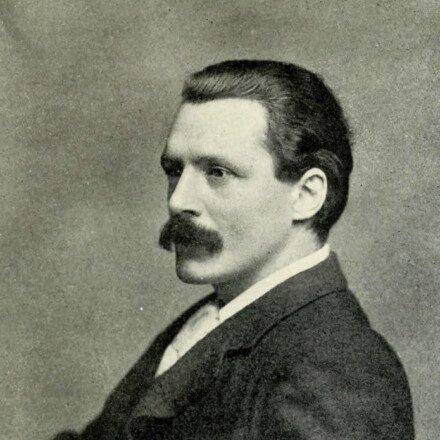
George Gissing, the celebrated author of the novel New Grub Street, which satirizes the literary and journalistic world of 1880s London, attended the 20th April 1900 Dinner as a guest of Friar Edward Clodd.
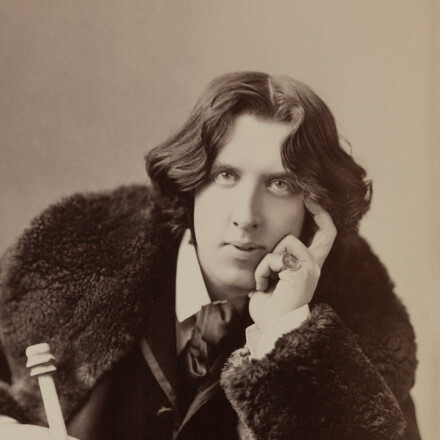
In July 1890, Oscar Wilde called at the Whitefriars Club’s rooms at Anderton’s Hotel and had a long talk about Dorian Gray with Friar Sidney Low, then editor of the St James’s Gazette.
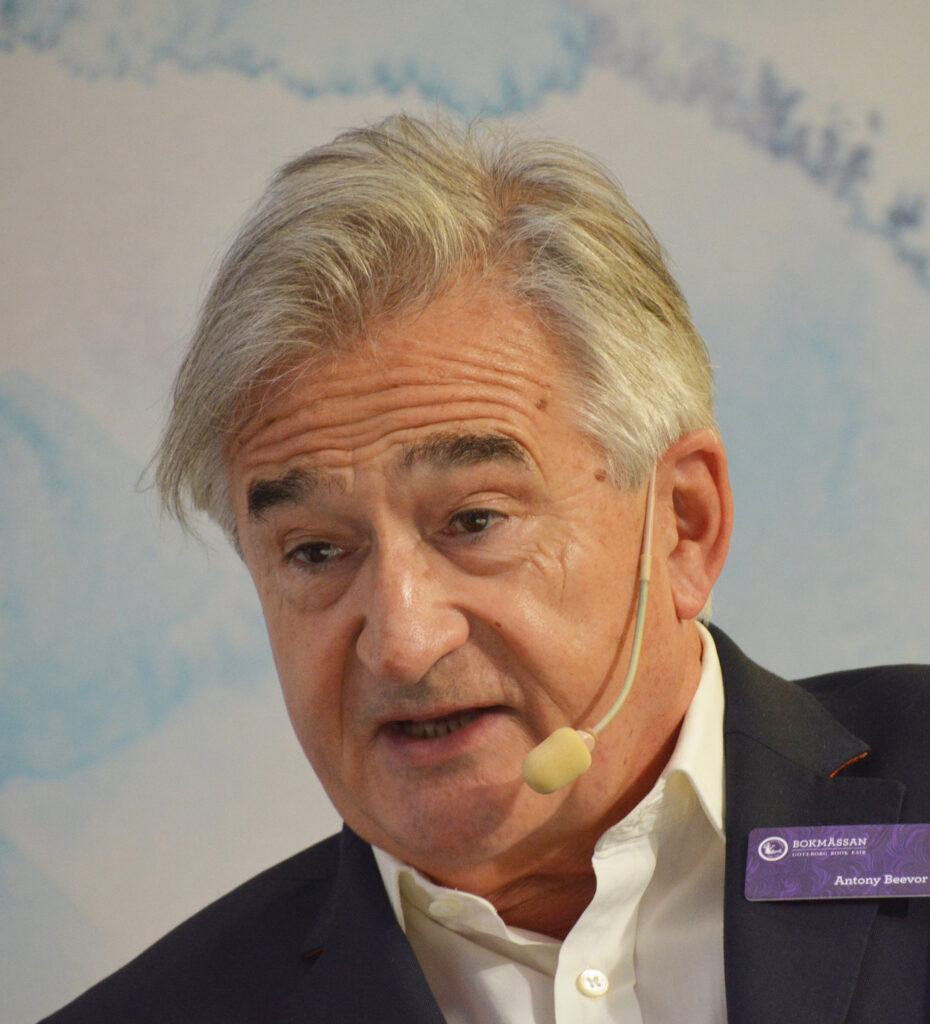
Sir Antony Beevor (b. 1946) is a military historian and the acclaimed author of popular historical works, mainly on the Second World War and the Russian Revolution and Civil War.
He spoke at the Whitefriars Club on the subject of ‘What We Can Learn from History’ on 24th April 2019.
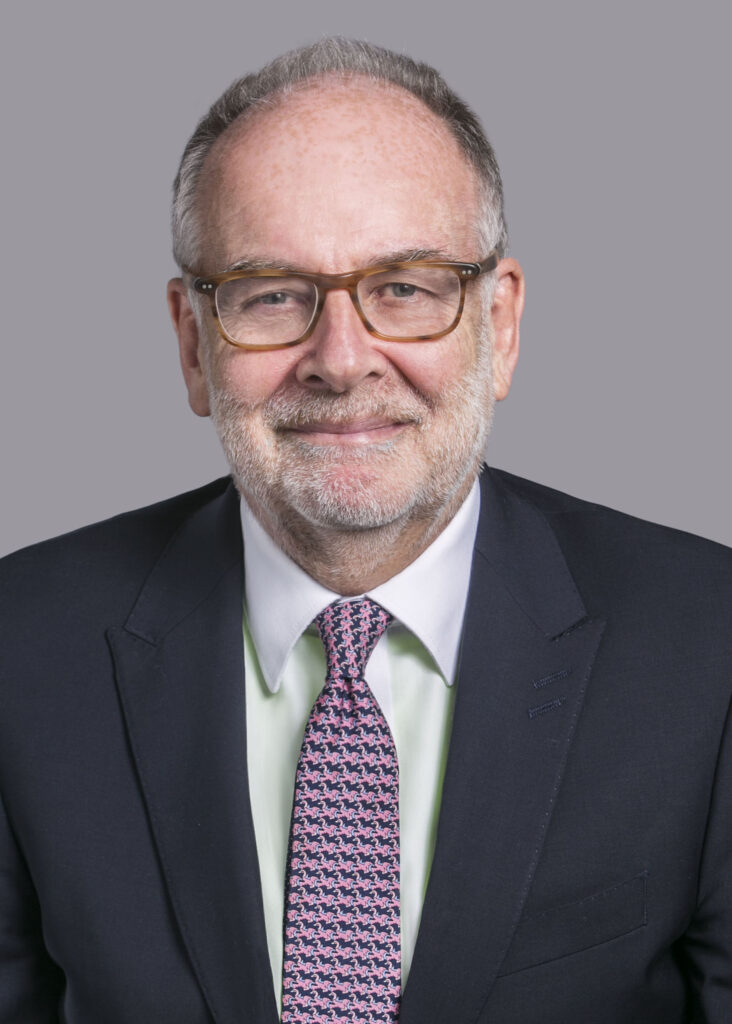
Charlie Falconer, Baron Falconer of Thoroton (b. 1951), is a British Labour peer and barrister who served as Lord Chancellor and Secretary of State for Justice under Prime Minister Tony Blair from 2003 to 2007.
Lord Falconer spoke at the Whitefriars Club about politics on 24th February 2011.
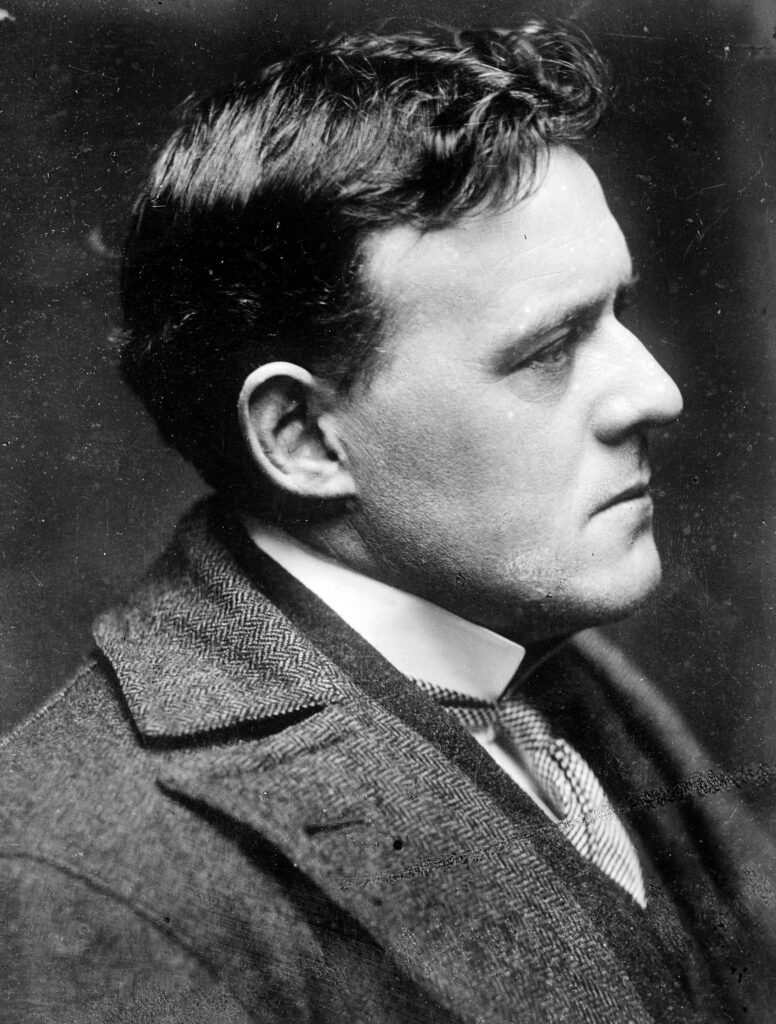
Hilaire Belloc (1870–1953) is a prolific Franco-English writer and historian, and the author of the immensely popular collection of humorous poems, Cautionary Tales for Children.
Hilaire Belloc spoke at the Whitefriars on 20th March 1903 on the subject of ‘Is the French Novel a True Representation of French Life?’ He also attended as a guest on 3rd October 1902, 1st May 1903, 30th April 1909. He was due to speak again at the club on 10th November 1922, but owing to having entered the dinner on the wrong date in his diary, he did not appear, and his place was taken by Friar George Whale.
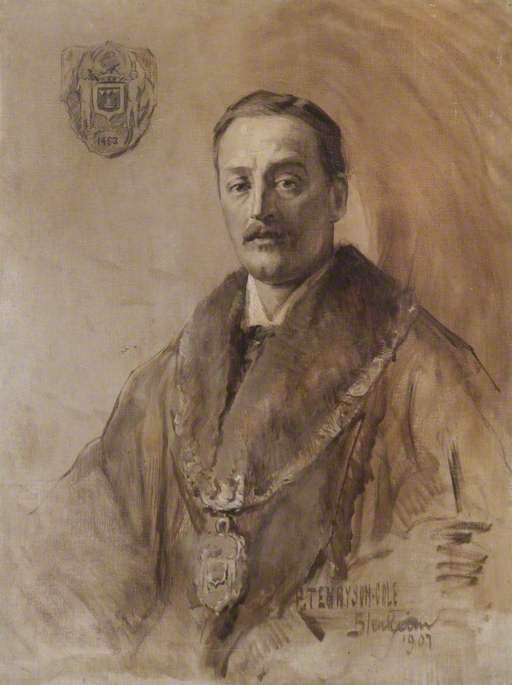
Charles Spencer-Churchill, 9th Duke of Marlborough (1871–1934), was a British soldier and Conservative politician.
He spoke at the Whitefriars Club on 27th November 1903 on the subject of ‘A Citizen’s Duty to the Empire’. Prior of the Day, on that occasion, was his cousin and close friend, Friar Winston Churchill.
Cole, Philip Tennyson; Charles Richard John Spencer-Churchill (1871-1934), 9th Duke of Marlborough; Woodstock Town Council; http://www.artuk.org/artworks/charles-richard-john-spencer-churchill-18711934-9th-duke-of-marlborough-43547
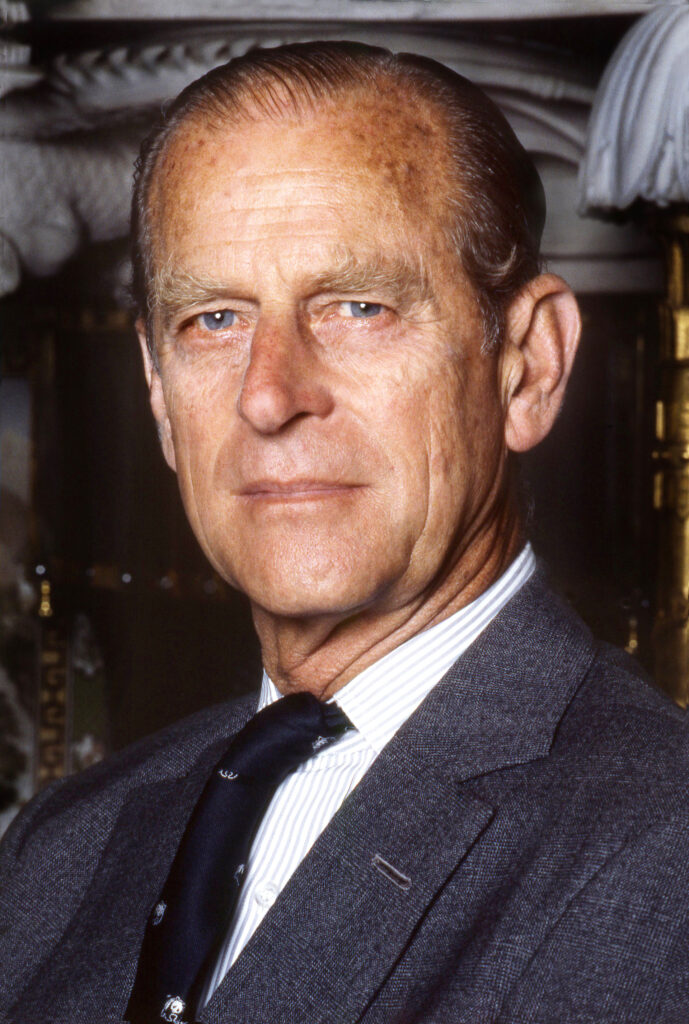
Prince Philip, Duke of Edinburgh (1921–2021), was the consort of the British monarch Elizabeth II from her accession on 6th February 1952 until his death in 2021.
Prince Philip was club guest at the 110th Anniversary Feast, held at the Press Club on 16th March 1978.
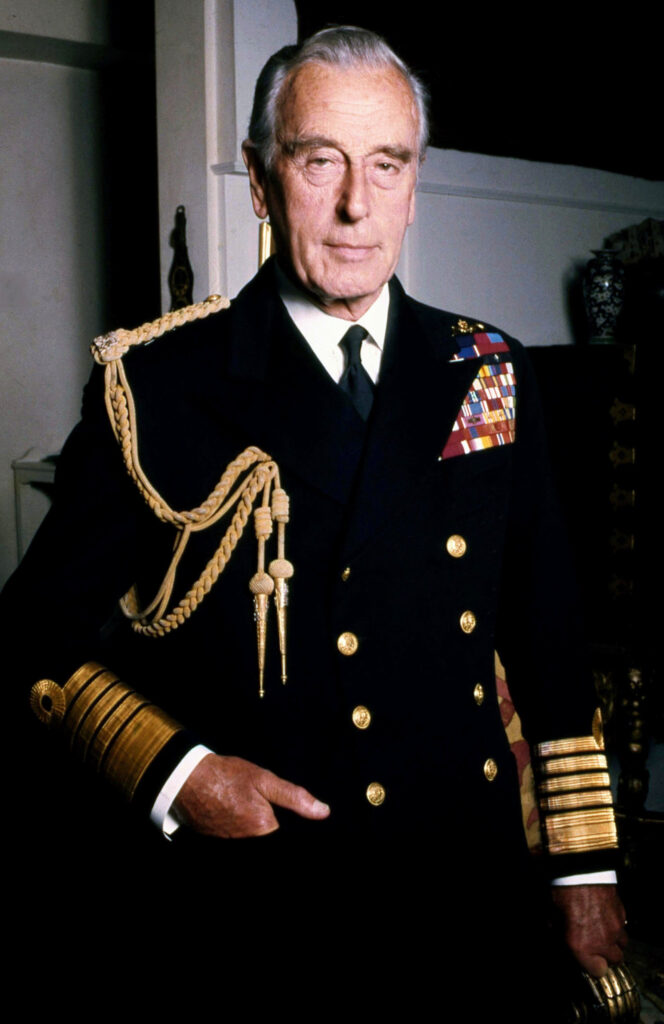
Louis Mountbatten, 1st Earl Mountbatten of Burma (1900–79) was a statesman, naval officer, colonial administrator and close relative of the British royal family.
He spoke at the Whitefriars Club on ‘United World Colleges’ on 4th December 1975.
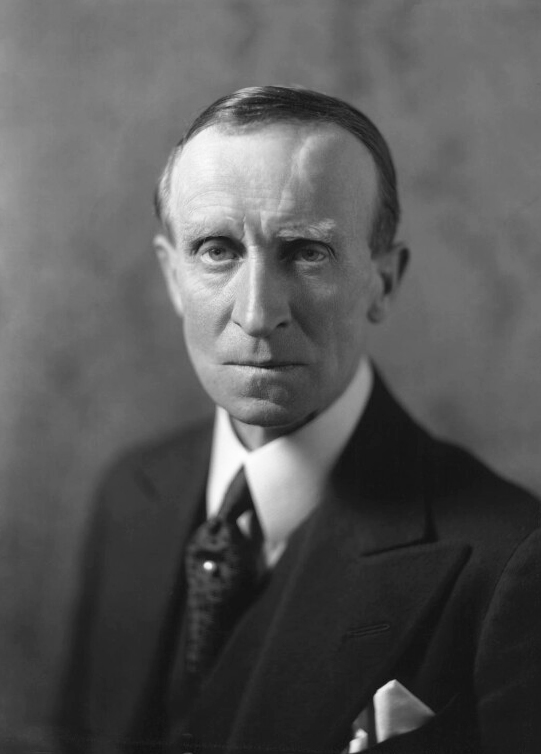
Scottish author John Buchan (1875–1940) was both an acclaimed writer of adventure novels and, as the Governor General of Canada, one of the most high-ranking colonial administrators in the British Empire. His political career usually took precedence over his writing, but he still managed to produce several iconic works of spy fiction, including his masterpiece The Thirty-Nine Steps.
John Buchan spoke at the Whitefriars Club on ‘The Press and the War’ on 26th January 1917. He had previously attended as a guest on 10th March 1911.
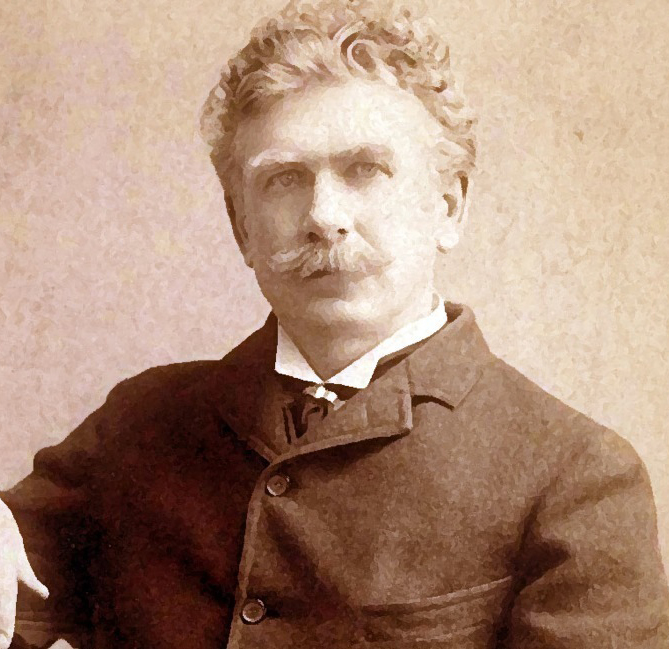
A celebrated journalist in his lifetime (the “Town Crier” of The San Francisco News Letter), Ambrose Bierce (1842–c.1914) was the author of sardonic, mischievous definitions of words that appeared in various San Francisco newspapers. Over several years these were compiled for a mock dictionary, originally published in 1906 as The Cynic’s Word Book and reissued in an expanded version as The Devil’s Dictionary in 1911.
Bierce introduced to the club the American poet, writer and journalist with German roots, Herman George Scheffauer (1876-1927). Scheffauer travelled to England in 1904 as the European correspondent for Town Talk, a society magazine. Bierce provided him with contact addresses in England, including that of the Whitefriars Club. On 15th July 1904 he wrote to him:
“So you are going to dwell with the degenerate Britishers a year. It is a grand scheme, but I hope you are not intending to live by literature, for I fear it can’t be done. […] I suppose there are still a few of the older generation of Londoners who may remember me——Geo. Byron Curtis, who I think is editor of the Standard; George R. Sims, author and playwright; possibly Austin Dobson, whom I didn’t know very well; and maybe some of the men of the Whitefriars’ Club if it is still in existence. I was, maybe still am, an honorary member, and when I was Secretary of the Bohemian Club I effected a mutual arrangement whereby members of the one club were entitled to the privilege of the other. Better see if that arrangement still holds, for it used to be a pleasant place to go. But that was before the deluge. The club had rooms at the old Mitre Tavern, of Dr. Johnson fame.”
Scheffauer did attend the Whitefriars dinners, and his name is recorded in two events in 1914 (27th March and 3rd April).
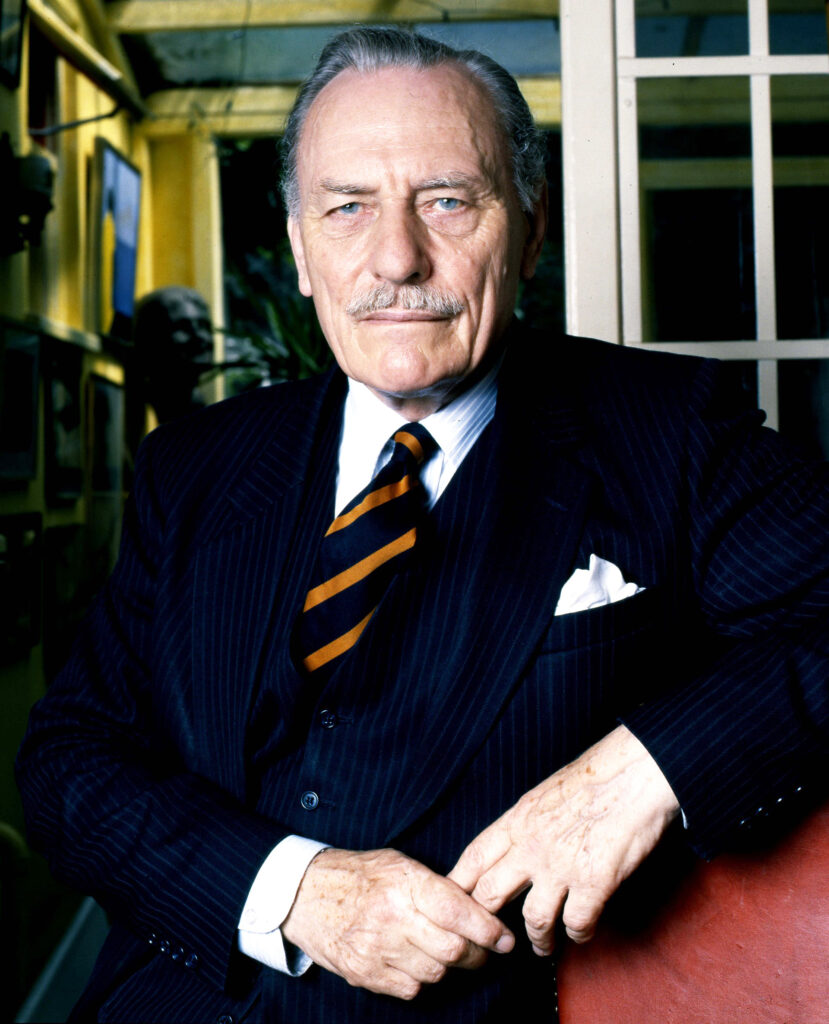
A classical scholar educated at Trinity College, Cambridge, Enoch Powell (1912–98) was a Conservative politician and one of the most divisive figures in recent British history, following his ‘Rivers of Blood’ speech of 20th April 1968.
Powell spoke at the Whitefriars Club later that year, on 19th September 1968.
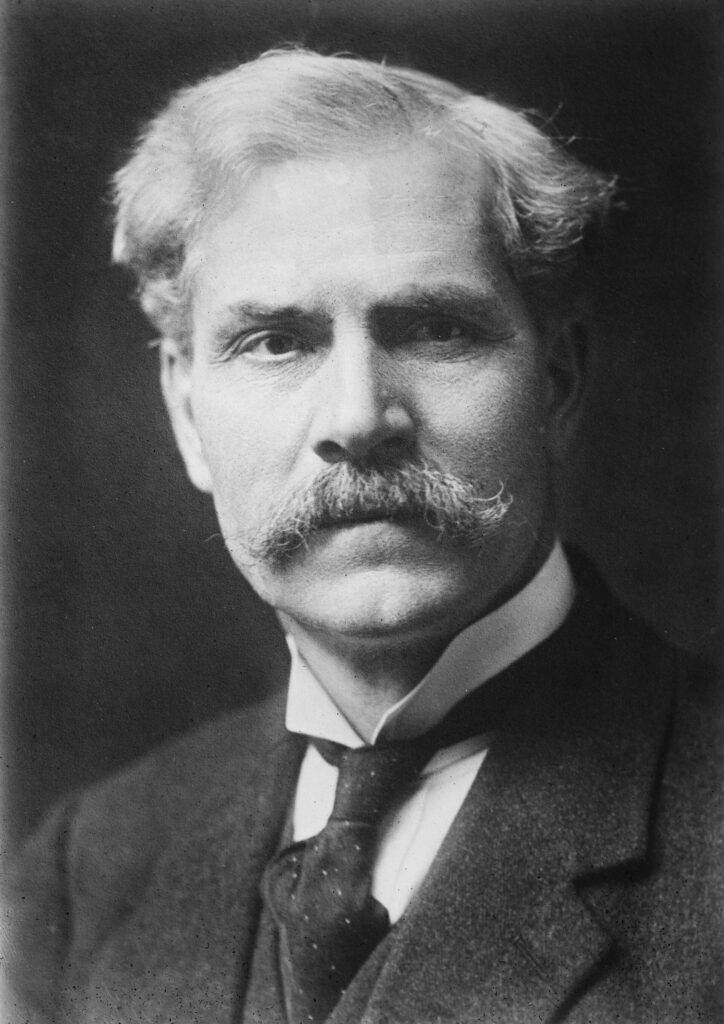
Ramsay MacDonald (1866–1937) was a labour politician who served as prime minister of the United Kingdom for nine months in 1924 and again from 1929 to 1931.
Ramsay MacDonald spoke at the Whitefriars Club on 7th October 1926, on the topic of ‘Philosophers and Poets in Public Life’.