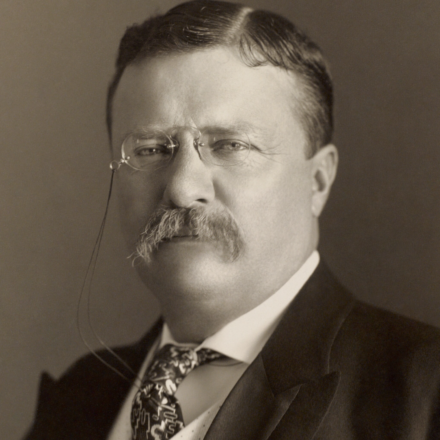
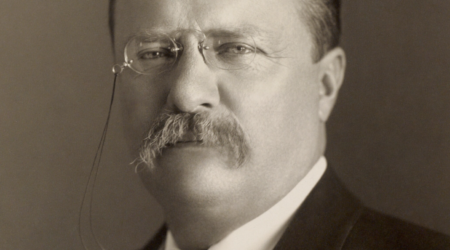
President Roosevelt was invited to speak at the Whitefriars Club, but, replying from Naivasha, British East Africa, on 6th August 1909 to the Honorary Secretary of the Club, Friar Joseph Shaylor, he wrote…
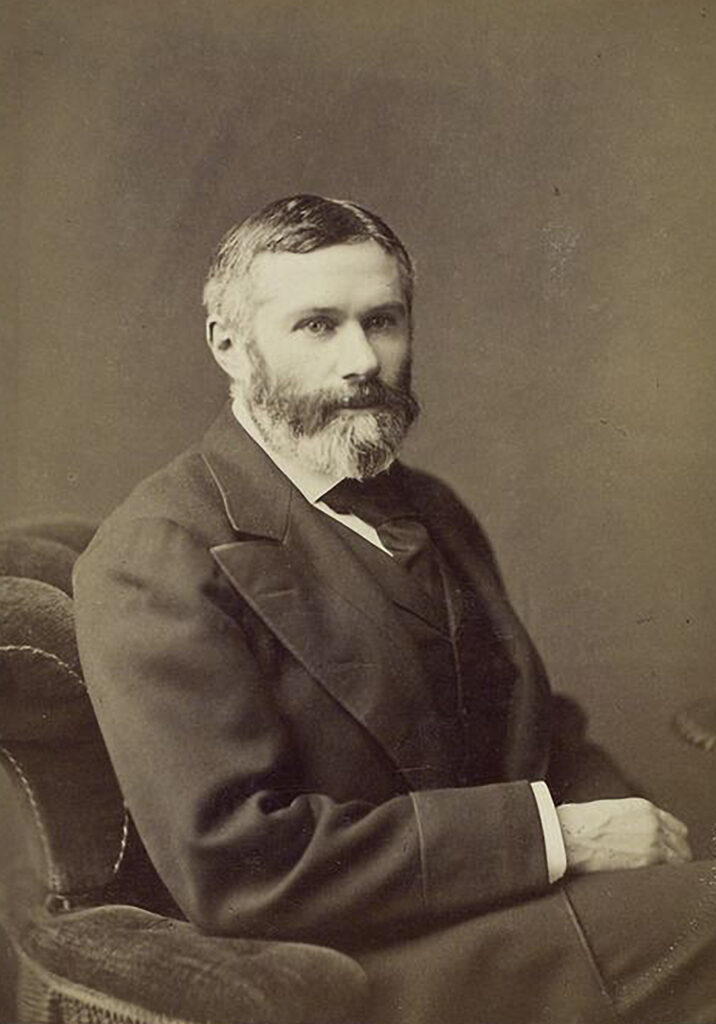
Sir George Otto Trevelyan, 2nd Baronet (1838–1928), was a politician, a statesman and the author of the several historical works, as well as the biography of his uncle, Lord Macaulay.
Trevelyan was club guest at the Annual Dinner at the Trocadero of 19th February 1904, when he spoke on the topic of ‘History Writing’. His fellow guest on that occasion was Guglielmo Marconi.
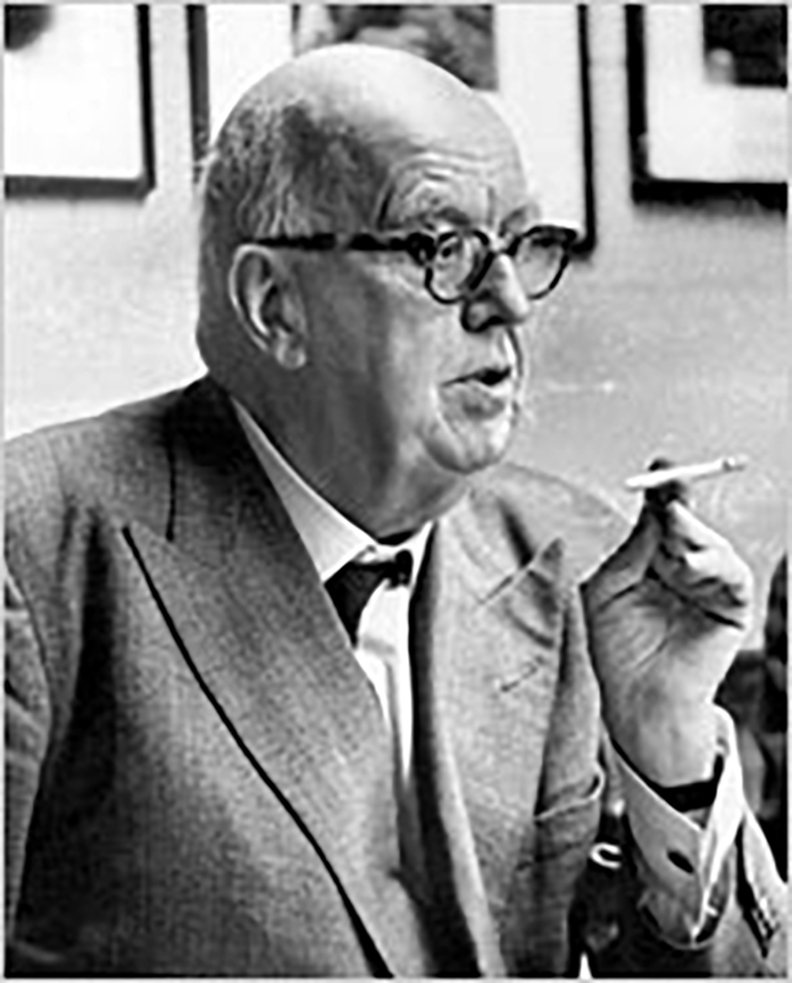
Trained as a physical chemist, C.P. Snow (1905–80) worked as a civil servant and was the author of series of novels known collectively as Strangers and Brothers.
C.P. Snow joined the Whitefriars Club in the 1950s. He was Prior of the Day on 24th April 1957 and spoke at the club on 28th May 1970.
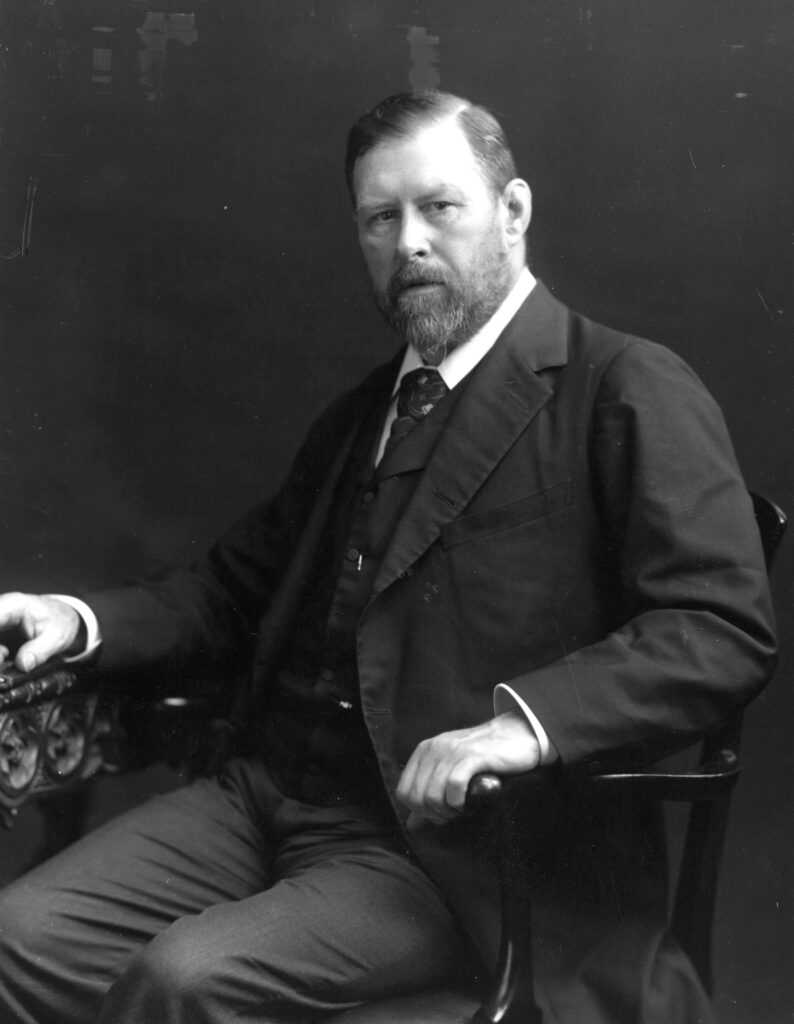
A prolific writer and an important figure of the London theatre world, Bram Stoker (1847–1912) is now best remembered for his 1897 novel Dracula, in which he established many of the enduring elements of the western vampire myth.
Bram Stoker was the club guest speaker at the Shakespeare Dinner of 14th April 1905. Having been made a Friar on 1st December that year, he attended several subsequent dinners, and spoke again at the club about ‘The State Censorship of Novels’ on 18th October 1907.
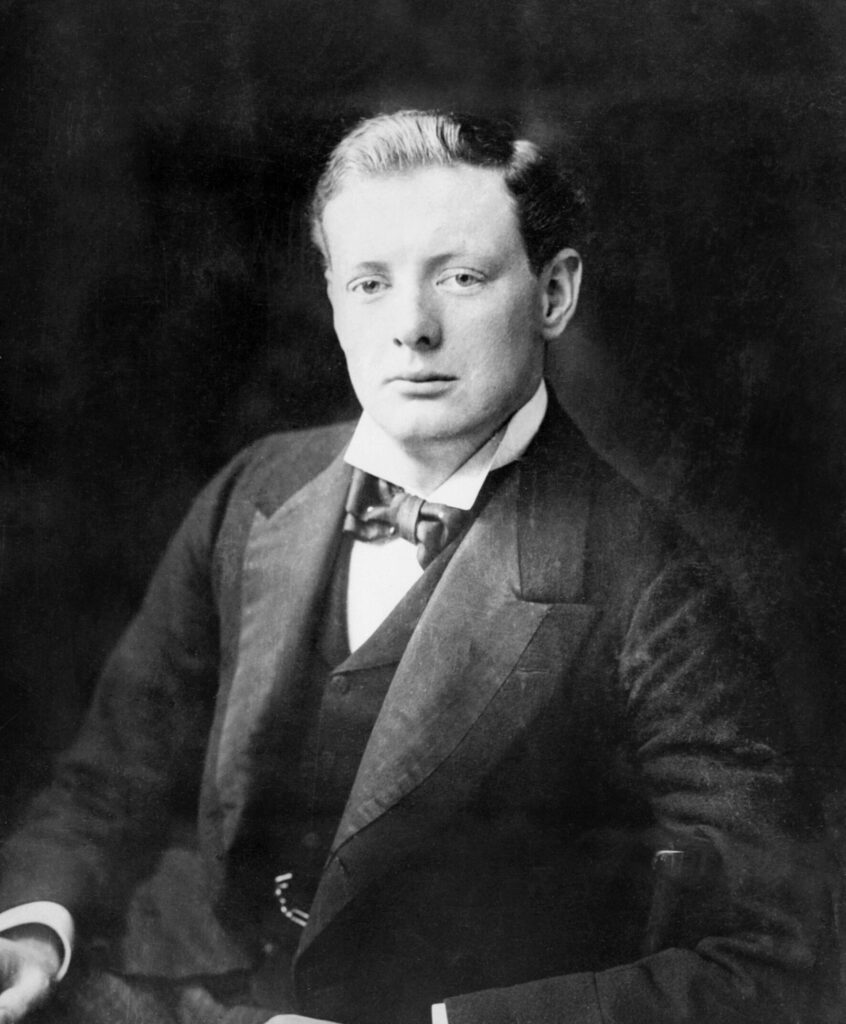
Friar Sir Winston Churchill (1874–1965) was a journalist, author, soldier, politician and statesman. He served twice as prime minister of the United Kingdom: the first time from 1940 to 1945, during the Second World War, and again from 1951 to 1955.
Sir Winston Churchill is one of the most eminent Friars in the history of our club. He spoke at the club for the first time on 5th October 1900, about his career as a war correspondent. He later became a Friar, acting on many dinners as Prior of the Day.
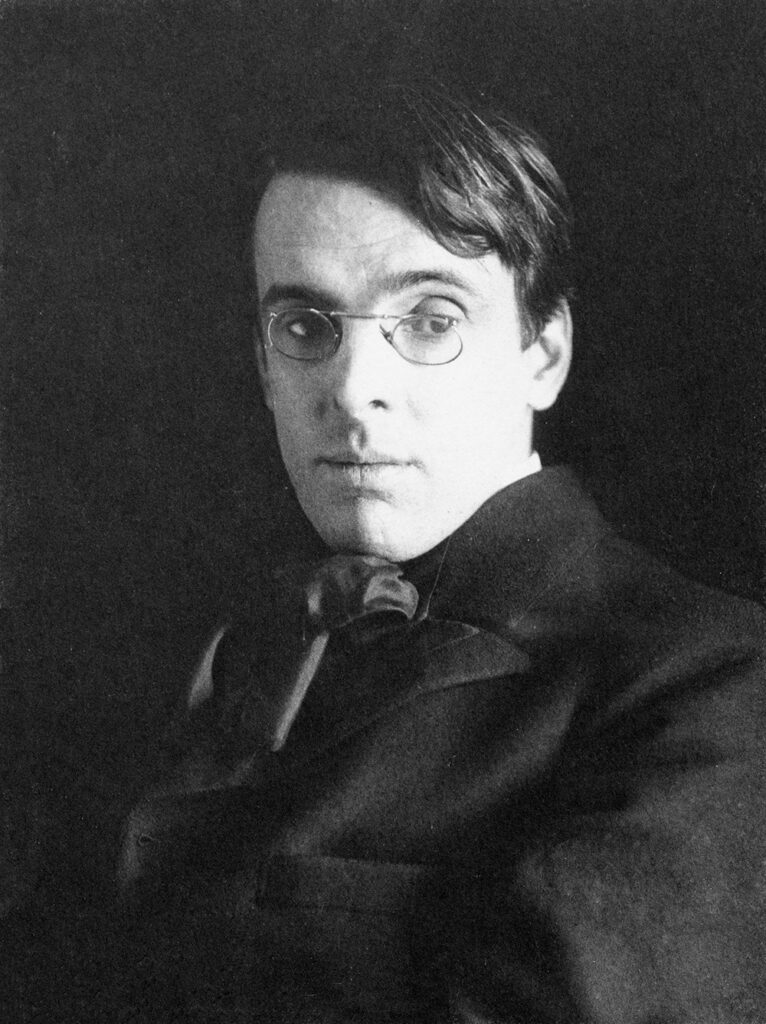
W.B. Yeats (1865–1939) is one of the greatest poets of the twentieth century, as well as a dramatist, critic and essayist. Closely associated with the Irish Literary Revival, he was awarded the Nobel Prize for Literature in 1923.
Yeats attended as a guest on 23rd November 1900, when he spoke on ‘The Depredation Which We Call Progress’. He returned to the club four years later, on 11th November 1904, as a guest of the Prior of the Day, Friar Osman Edwards. On that occasion he is reported to have made “an impressively mystical speech” as he discussed the points touched by the opener.
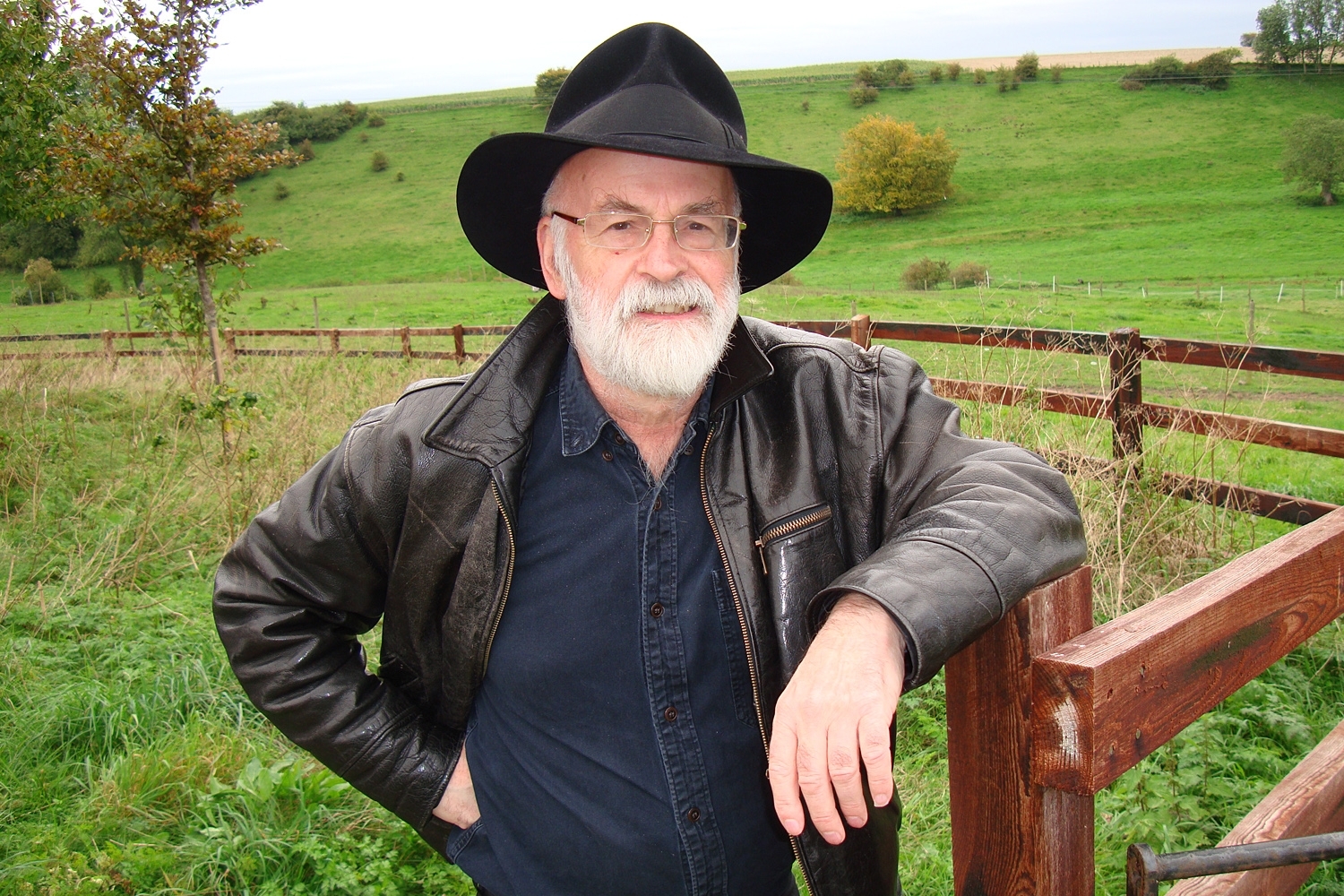
Sir Terry Pratchett (1948–2015) was the acclaimed creator of the global bestselling Discworld series, the first title of which, The Colour of Magic, was published by Colin Smythe Ltd in 1983. In all, he was the author of over fifty bestselling books. and collaborated on a further thirty. His novels have been widely adapted for stage and screen, and he was the winner of multiple prizes, including the Carnegie Medal, as well as being awarded a knighthood in 2009 for services to literature. Worldwide sales of his books exceed 100 million and they have been translated into forty-three languages.
Terry Pratchett spoke at the Whitefriars Club on 22nd May 1990, and quite appropriately Friar Colin Smythe was Prior of the Day on that occasion.
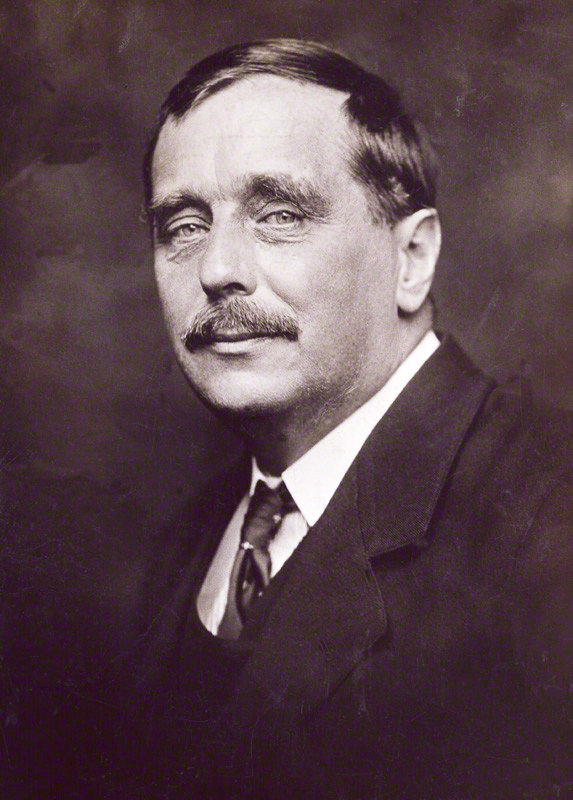
Widely considered the father of science fiction, H.G. Wells (1866–1946) was an innovative and prolific writer across many genres. His most famous works – such as The Time Machine, The Invisible Man and The War of the Worlds – are considered modern classics.
Wells spoke at the Whitefriars Club on 31st January 1902 on the topic of ‘The Twenty-First Century’. He became a White Friar, and attended the dinner on 17th March 1905, taking part in the discussion. He was Prior of the Day on 8th November 1907, when the club guest was Sir Oliver Lodge.
by George Charles Beresford, black and white glossy print, 1920
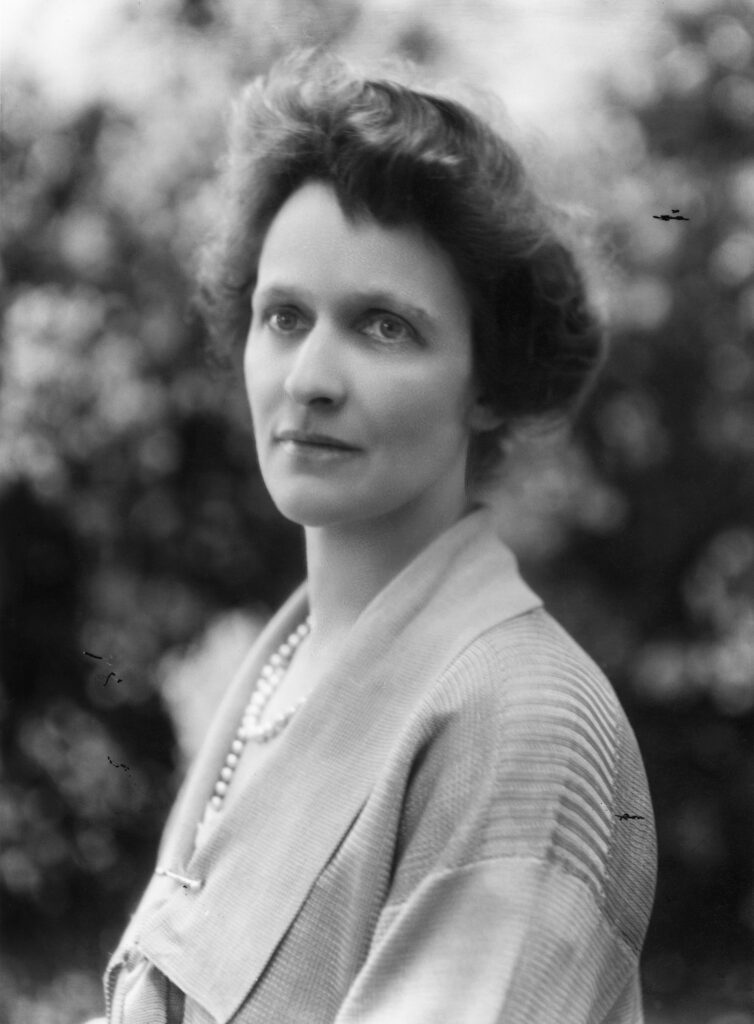
Nancy Astor, Viscountess Astor (1879–1964), was a Unionist Party (Conservative) politician and the first woman seated as a Member of Parliament, serving from 1919 to 1945.
Lady Astor was a club guest at the Christmas Dinner of 16th December 1921.
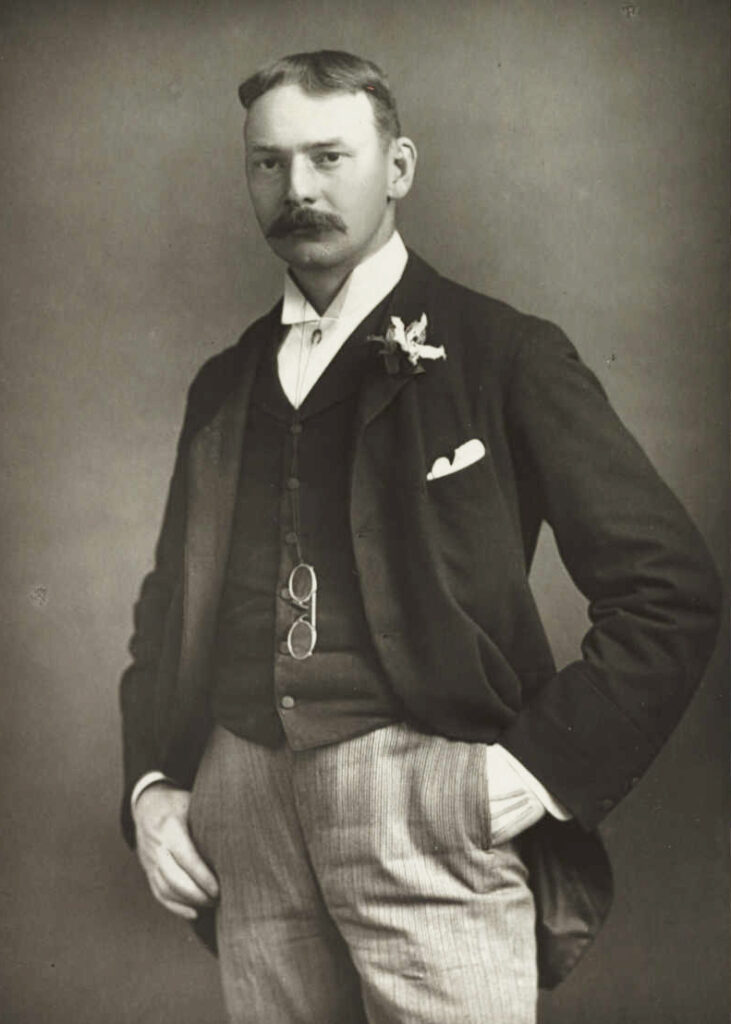
Jerome K. Jerome (1859–1927) was the author of a wide range of plays, essays and novels, and is best known today for the classic comic work Three Men in a Boat.
Jerome K. Jerome appears to have spoken at the Whitefriars Club for the first time on 4th October 1901, on the topic of ‘Humour in Literature’. He returned to the club almost twenty-five years later, delivering a speech on ‘Class Warfare’ on 16th October 1925.
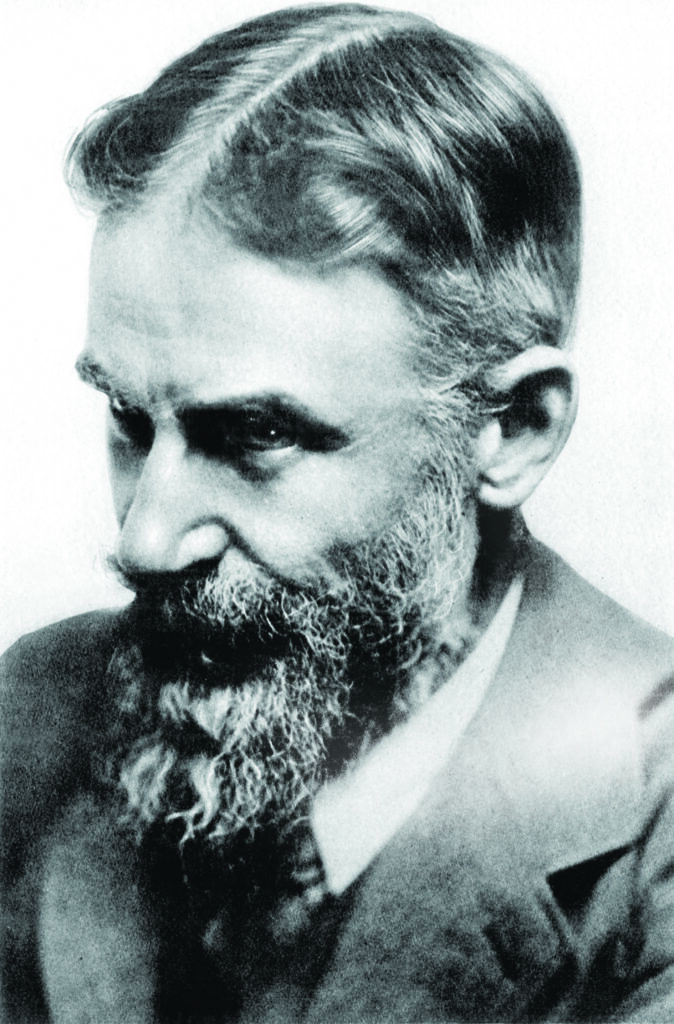
The playwright, novelist, essayist and Nobel Prize winner Bernard Shaw (1856–1950) is one of the towering figures of twentieth-century literature, with masterpieces such as Man and Superman, Pygmalion and Saint Joan among his most enduringly popular works.
Shaw spoke at the Whitefriars Club on 16th February 1906 on the topic of ‘Should Theatres be Municipalised?’ He returned to the club on 29th October 1920, delivering a speech on ‘The Dictatorship of the Proletariat’.