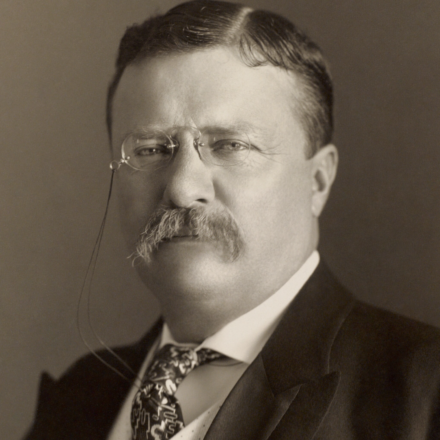
President Roosevelt was invited to speak at the Whitefriars Club, but, replying from Naivasha, British East Africa, on 6th August 1909 to the Honorary Secretary of the Club, Friar Joseph Shaylor, he wrote…
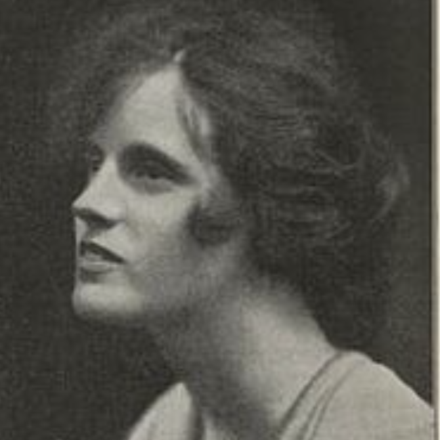
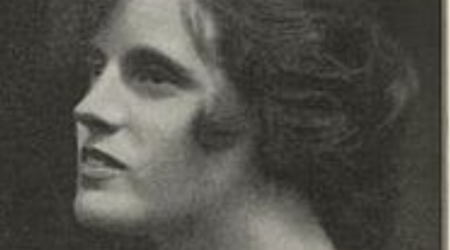
A new document has emerged showing that the prolific English novelist and short-story writer Beatrice Kean Seymour, born in Clapham into a working-class family, spoke at the Whitefriars’ 1930 Christmas Banquet at the Trocadero.
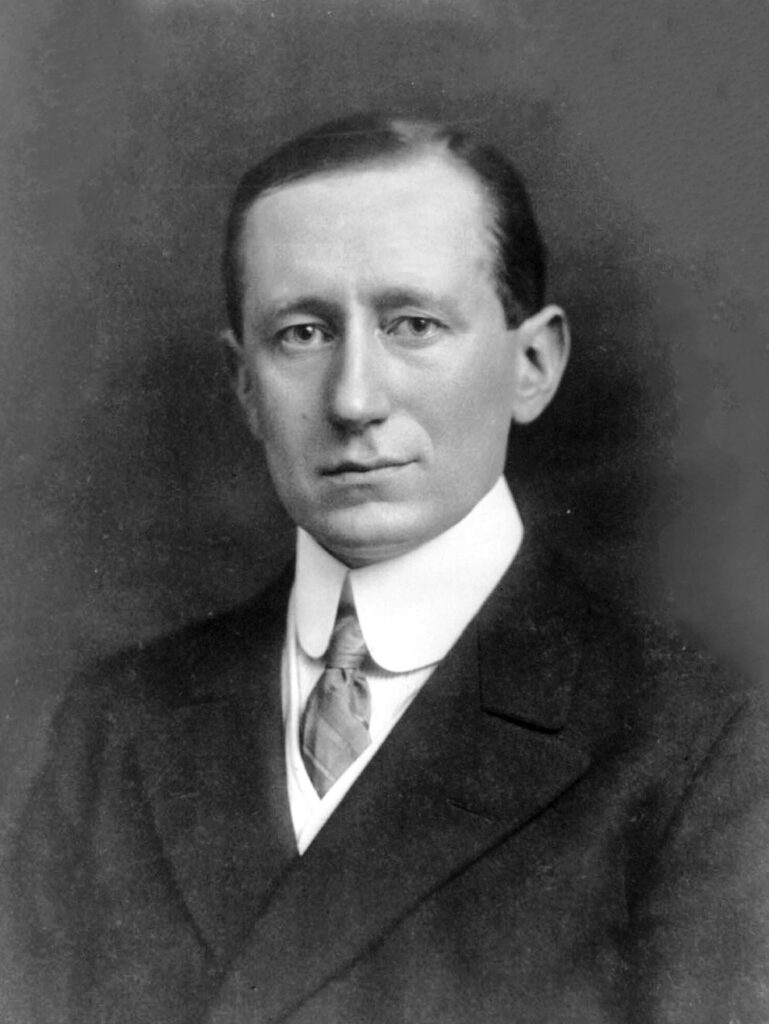
The Italian aristocrat Guglielmo Marconi (1874–1937) was an inventor and an electrical engineer, famous for his creation of the wireless telegraph, for which he was awarded the Nobel Prize in Physics in 1909.
Marconi was a club guest at the Annual Dinner at the Trocadero on 19th February 1904.
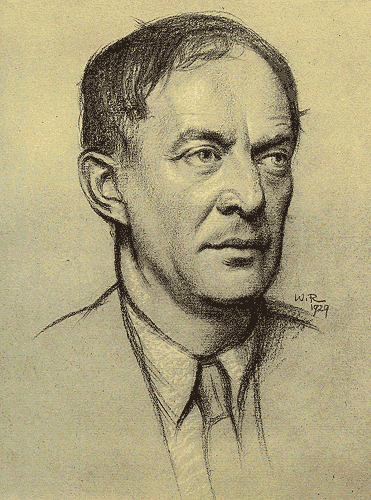
Walter de la Mare (1873–1956) was an acclaimed poet, short-story writer and novelist, best remembered today for his stories for children, including The Three Mulla Mulgars (1910, later retitled The Three Royal Monkeys).
De la Mare spoke at the Whitefriars Club on 23rd March 1923 on the subject of ‘The Personal Note in Literature’. He also attended as a guest on 7th May 1931.
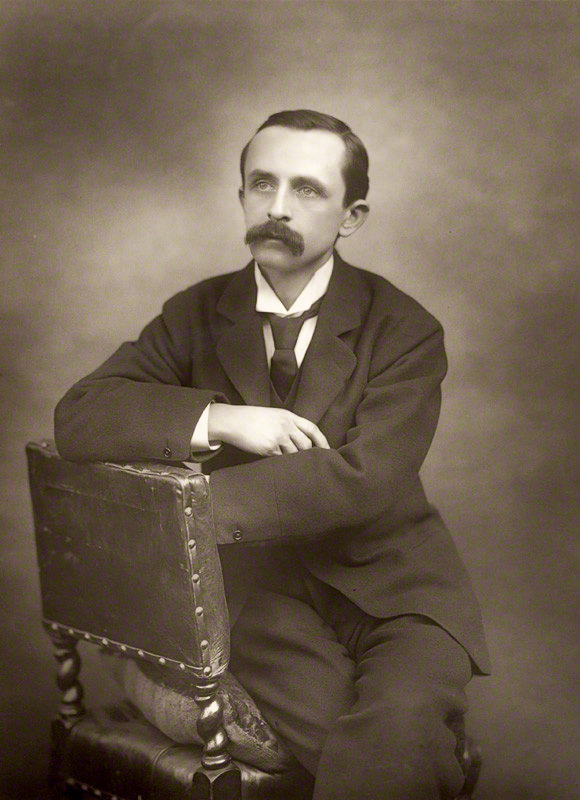
Sir J.M. Barrie (1860–1937) was a prolific Scottish playwright and novelist who is now best remembered for his play Peter Pan and its spin-off novel Peter and Wendy.
Sir J.M. Barrie attended as a guest on 10th October 1902, when the club’s guest speaker was Neil Munro, who talked about ‘The Celtic Fringe’.
by Herbert Rose Barraud, sepia carbon print on card mount, 1892
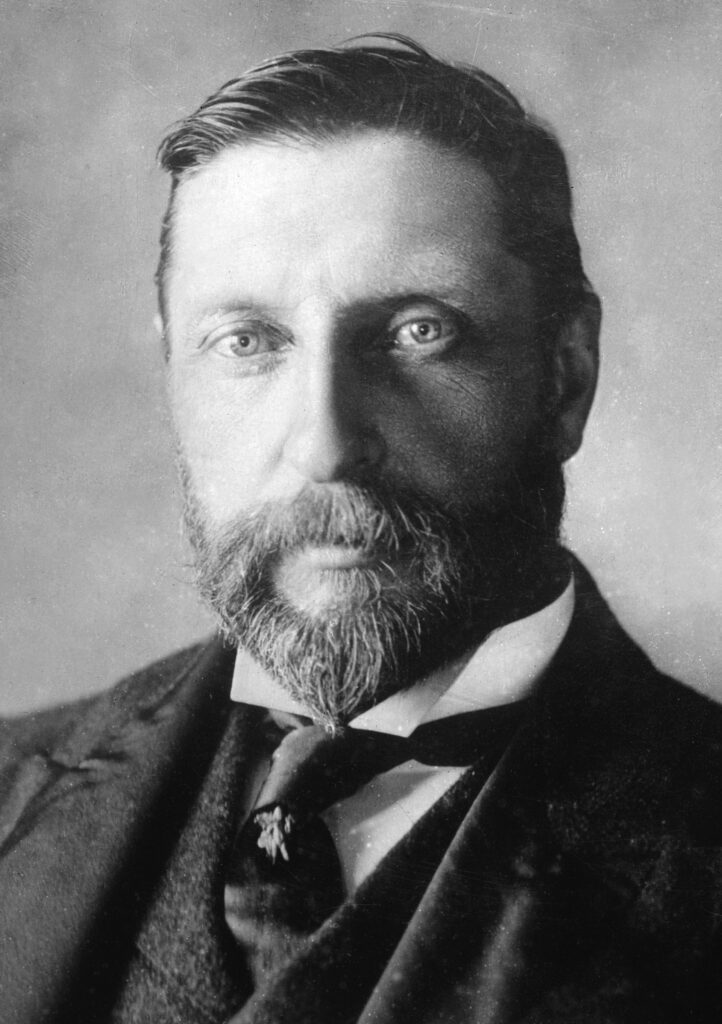
Sir Henry Rider Haggard (1856–1925) was an English writer of adventure books set in exotic locations, the most famous of which are King Solomon’s Mines and She.
H. Rider Haggard spoke at the Whitefriars Club on the topic of ‘The Rush to the Towns’ on 24th April 1903.
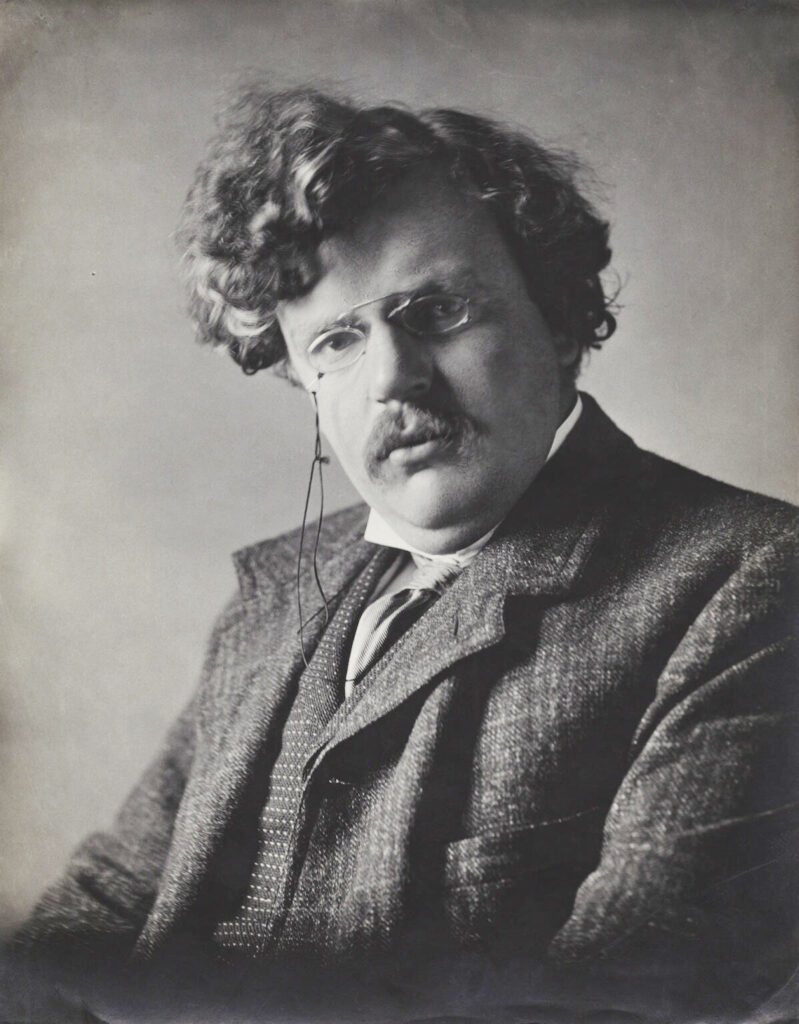
G.K. Chesterton (1874–1936) was a celebrated writer and literary critic, best remembered today for his novel The Man Who Was Thursday.
He spoke at the Whitefriars Club on 6th November 1903 on the subject of ‘The Old Journalist and the New’. He also attended several times as a guest (20th March, 23rd October and 6th November 1903, 18th January 1907, 3rd April 1908, 17th December 1909, 2nd May 1924 and 15th December 1927), often contributing to the discussion.
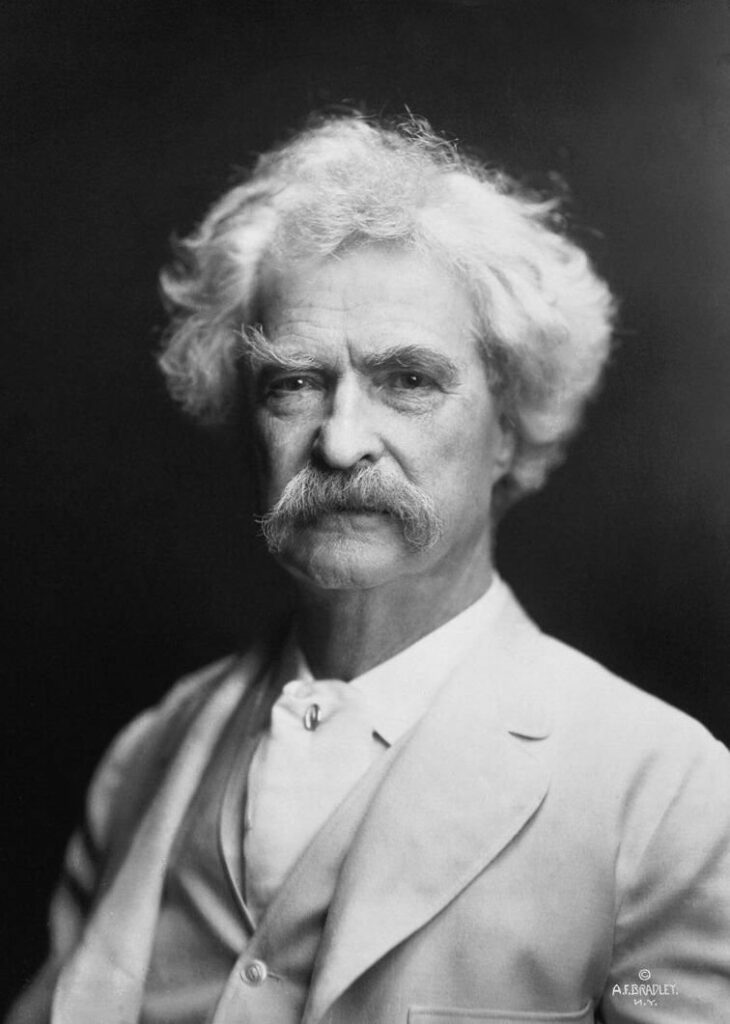
Mark Twain (1835-1910) was an American humorist, satirist, social critic, lecturer and novelist. He is mostly remembered for his classic novels Adventures of Huckleberry Finn and The Adventures of Tom Sawyer.
He spoke at the Whitefriars Club on 6th September 1872 and 16th June 1899. He also attended and spoke on 5th October 1900, when Winston Churchill was the club’s guest speaker and talked about his career as a war correspondent.
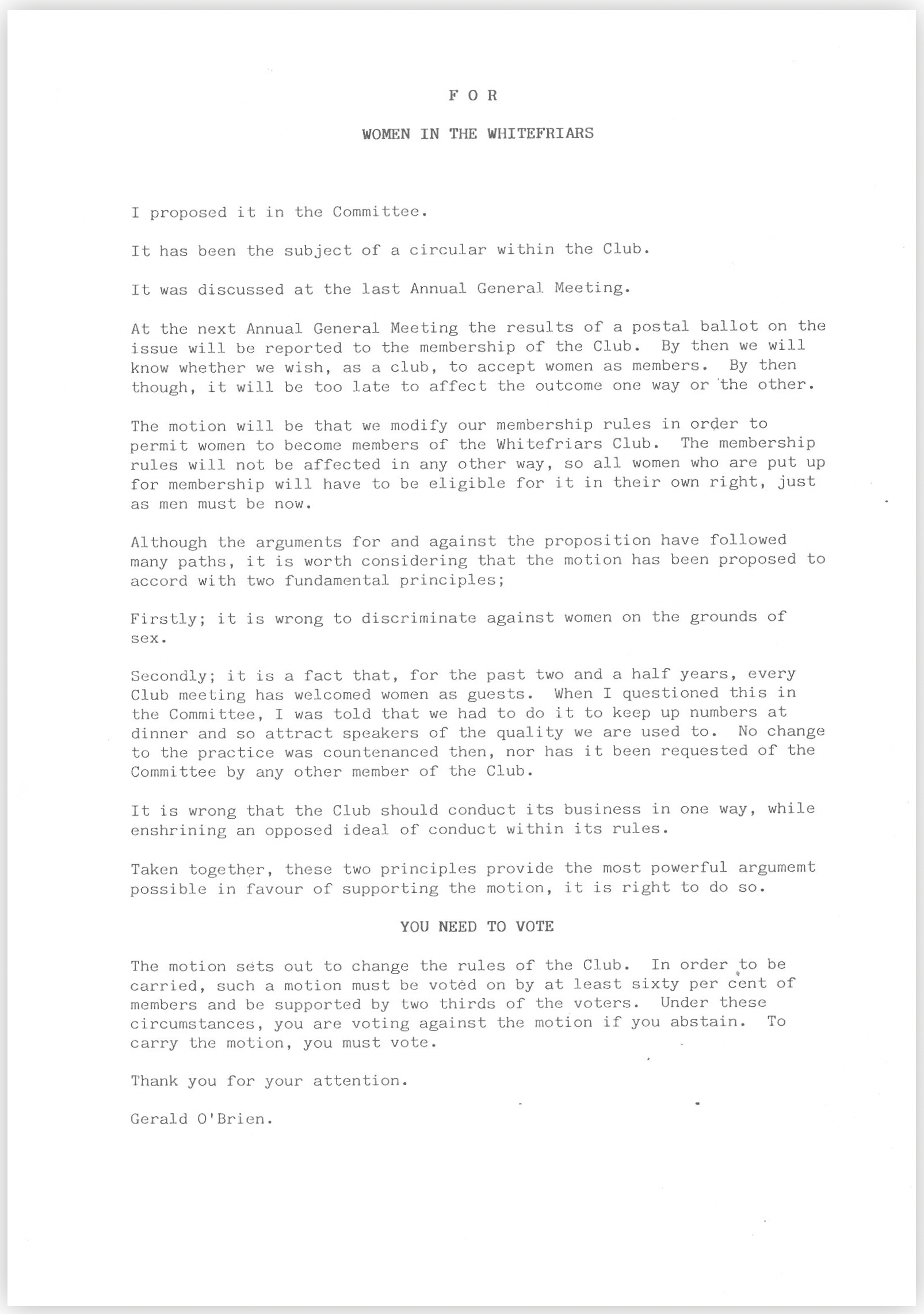
Our Club has not always been the haven of goodwill and equality that it now is. This became evident during our Pilgrimage (September 2023) to Reading to visit the Club’s extensive archives. A number of papers were available to peruse and, amongst them, we found these exchanges from the 1990s relating to the vexed question of whether or not to admit women to the Club.
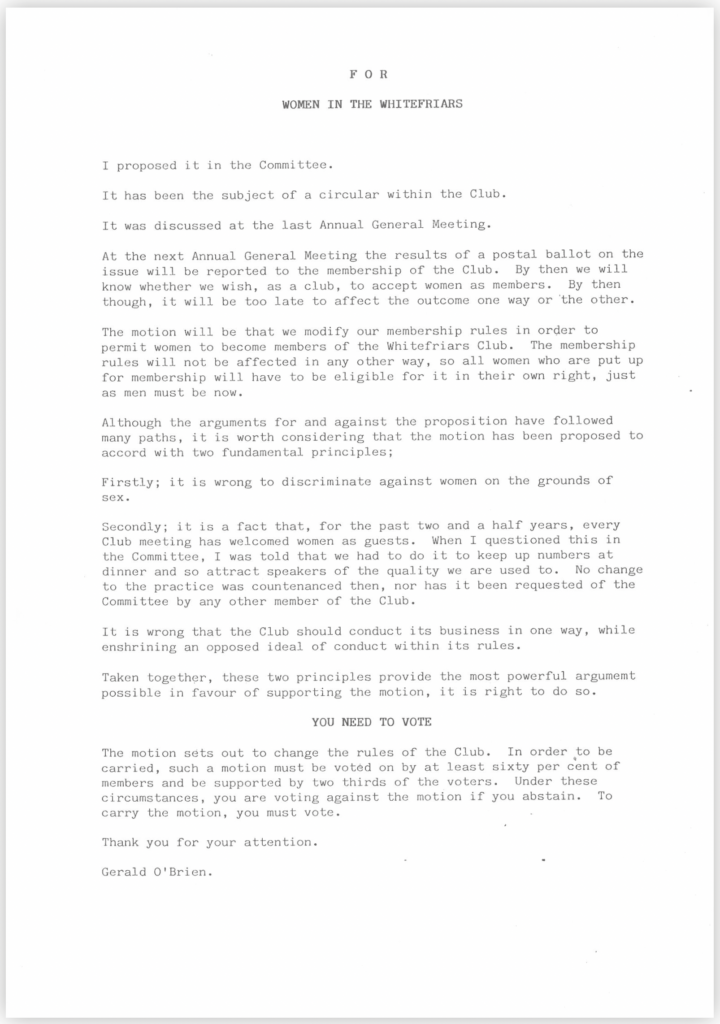
Until 1981 the Club was an exclusively male affair, except for the annual Ladies’ Dinner. It was for Sir Robert Mayer’s 100th birthday in 1979 that members of the fair sex began to be invited to Dinners. An item on the Agenda for the Club’s 1990 AGM, held in April at the Bottlescrue, Holborn Viaduct, gave notice of a discussion of the proposal by Gerald O’Brien to ‘modify our membership rules to permit women to become members of the Whitefriars Club’.
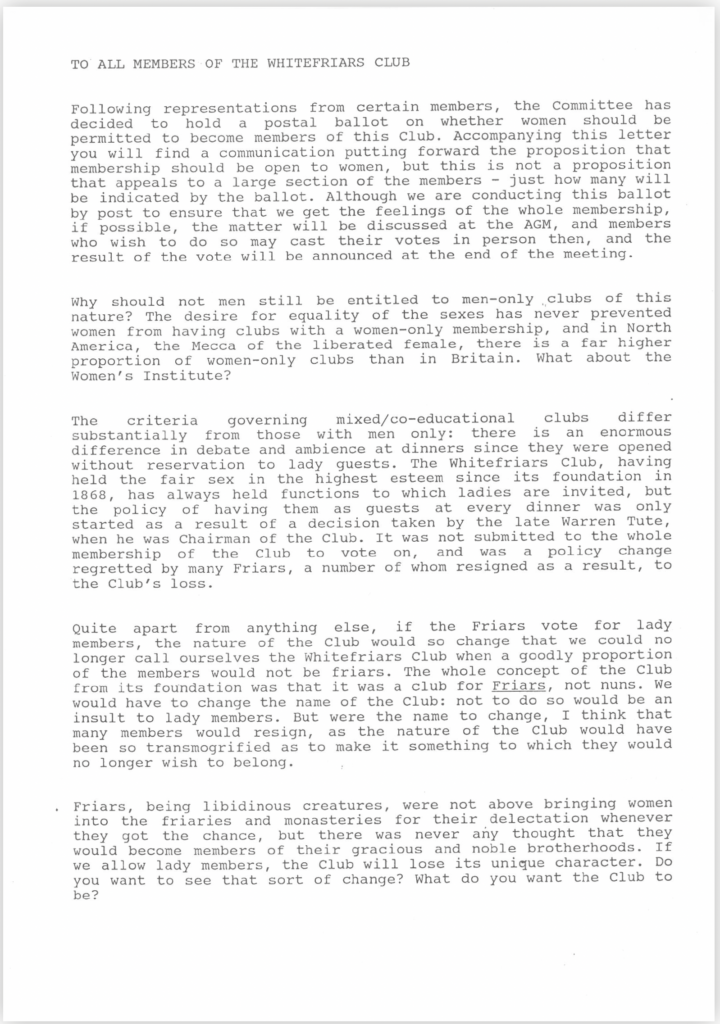
There was clearly a large rump of members against the proposition, because in a letter to all members of the Club prior to this vote the following paragraphs can be found:
Why should not men still be entitled to men-only clubs of this nature? The desire for equality of the sexes has never prevented women from having clubs with women-only membership, and in North America, the Mecca of the liberated female, there is a far higher proportion of women-only clubs than in Britain. What about the Women’s Institute?
And:
Friars, being libidinous creatures, were not above bringing women into the friaries and monasteries for their delectation whenever they got a chance, but there was never any thought that they would become members of their gracious and noble brotherhoods. If we allow lady members, the Club will lose its unique character. Do you want to see that sort of change? What do you want the Club to be?
The result of the vote? No women yet.
A postal vote was held in 1993 when Ivan Elliott became Chairman; again the proposal was defeated. But three years later, in September 1996, when the matter was again considered, a majority of the members of the Club voted in favour. There was only one proviso: members could not propose their wives. Friar Dr Colin Smythe tells me that there was a fear that members might feel they had to propose their wives; and the Committee did not want to burden Friars with that fear.
There was, of course, an unintended consequence: members appeared to be too scared to propose any ladies who were not their wives; so, for the first five months after the historic vote, not one member proposed a single lady! All that blood on the floor, and not yet a single lady member!
Colin, who had initially been against admitting women, says he realised this had to change, and so proposed in February 1997 the first two lady members: our erstwhile Chairman David Whitaker’s sister, Mary Baum, and Maggie van Reenen, David’s wife. Mary then proposed her sister Sally Whitaker, and thus the logjam was broken.
The benefits to the Club have been enormous. In 2002 Mary became our Honorary Secretary, and within a few years she also was elected Chairman, while at the same time continuing in her role as Hon. Sec. for a year – thus our first lady member was also our first lady Committee member, and uniquely the only member who has been simultaneously Chairman and Honorary Secretary, roles which she carried out for a year (2004–05) with distinction, signal charm and efficiency, before retiring as Chairman in 2007.
Another example is the ongoing, successful reign of our current Chairman, Judy Douglas-Boyd. We now have 31 women members out of a total membership of 118.
It does not seem credible, looking back from 2023, that the question of women’s membership should ever have been such a bone of contention!
Friar Alan Williams
(Below: From the Agenda for the Whitefriars Club’s Annual General Meeting 1990, held on Thursday 19th April 1990 at the Bottlescrue, Holborn Viaduct; letter to all members of the Whitefriars Club)
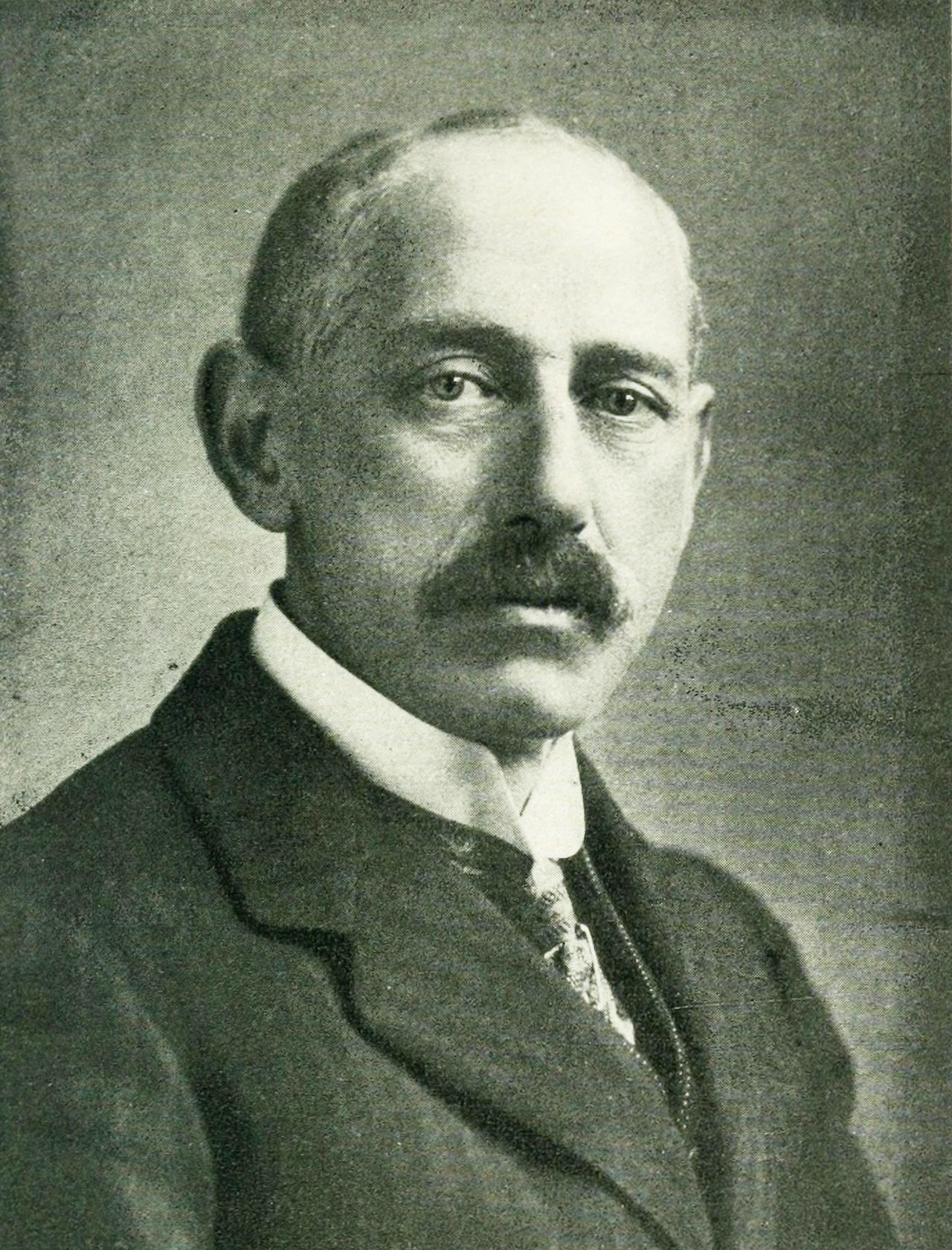
Friar Sir Sidney Low (1857–1932) was educated at King’s College School, London and the University of Oxford, where he read Modern History. He was initially an undergraduate at Pembroke College, and then he moved to Balliol, where he was awarded a Brakenby Scholarship. He was called to the bar at the Inner Temple in 1892.
He was the editor of the St. James’s Gazette from 1888 to 1897, and was a leader writer and literary editor for the Standard. During the First World War he was a journalist in France and Italy, and edited the wireless service of the Ministry of Information. He was knighted in 1918.
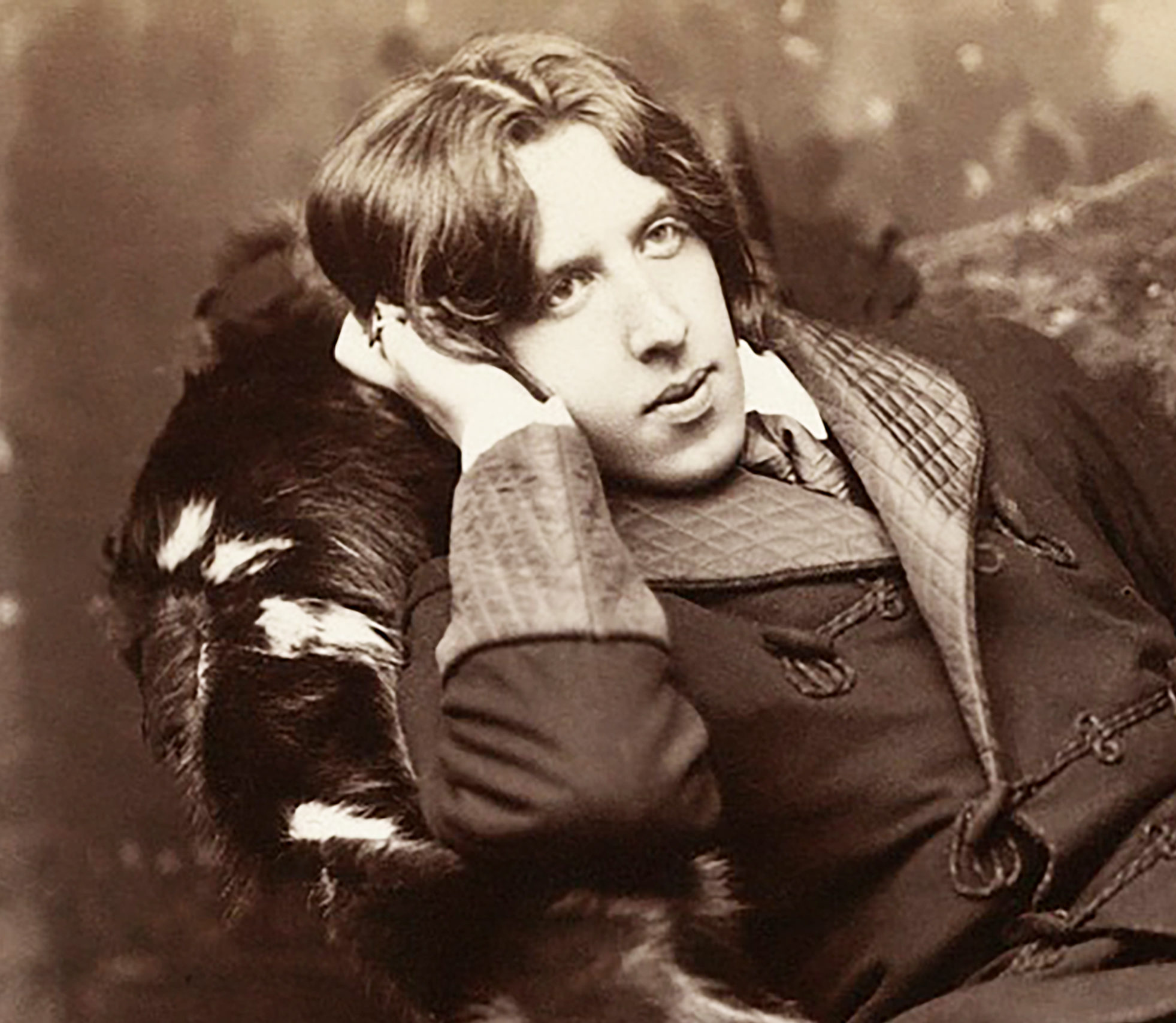
He met with Oscar Wilde in the Whitefriars Club rooms at Anderton’s Hotel to talk about Wilde’s novel The Picture of Dorian Gray.
Famed for his brilliant wit, Oscar Wilde (1854–1900) was a prolific writer and one of the most successful playwrights of Victorian Britain, as well as a champion for the values of Aestheticism.
He visited the Whitefriars Club rooms at Anderton’s Hotel in July 1890 to meet with Friar Sidney Low and talk about his novel The Picture of Dorian Gray.