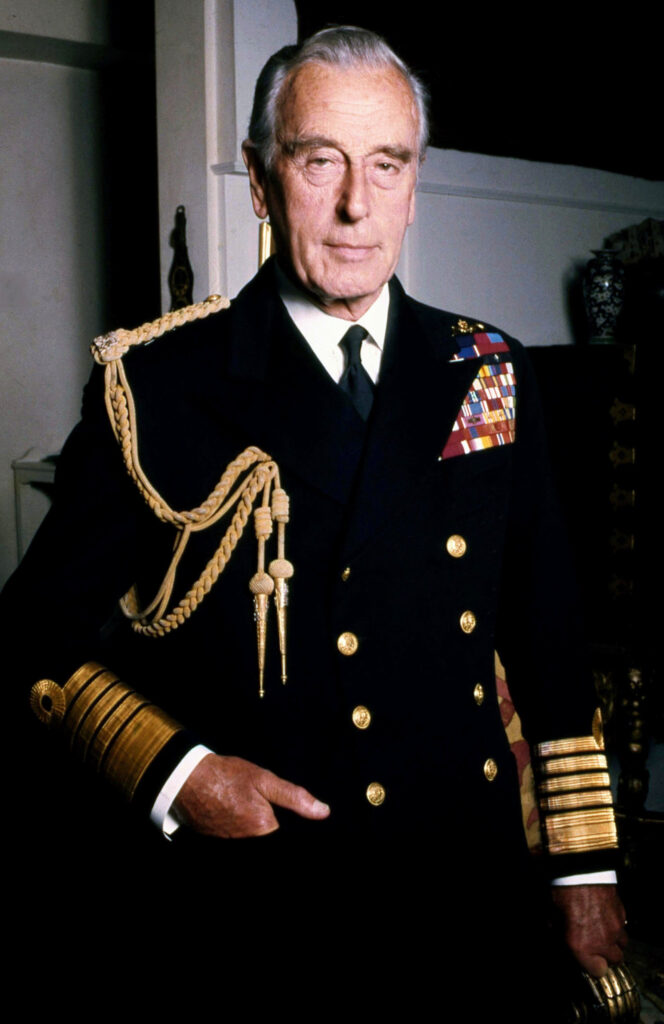
Louis Mountbatten, 1st Earl Mountbatten of Burma (1900–79) was a statesman, naval officer, colonial administrator and close relative of the British royal family.
He spoke at the Whitefriars Club on ‘United World Colleges’ on 4th December 1975.
Only four years after its foundation, on 6th September 1872, the Whitefriars Club held one of its most memorable and eventful dinners.
Read more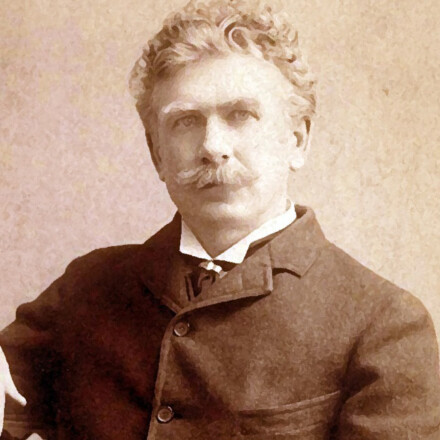
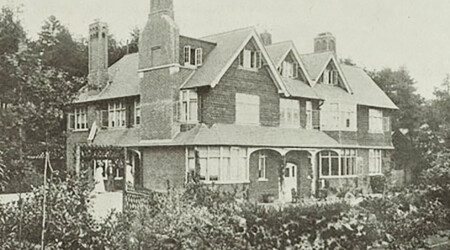
The July 1906 Pilgrimage to Tennyson country was one of the most anticipated events of the year.
Read more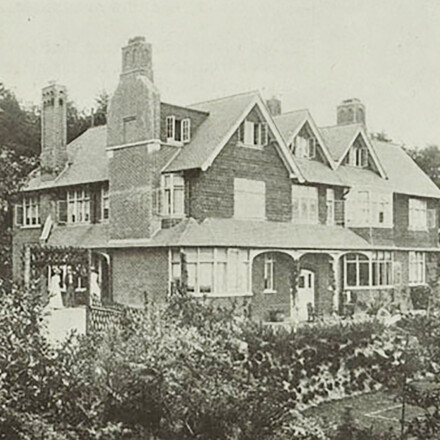
Louis Mountbatten, 1st Earl Mountbatten of Burma (1900–79) was a statesman, naval officer, colonial administrator and close relative of the British royal family.
He spoke at the Whitefriars Club on ‘United World Colleges’ on 4th December 1975.
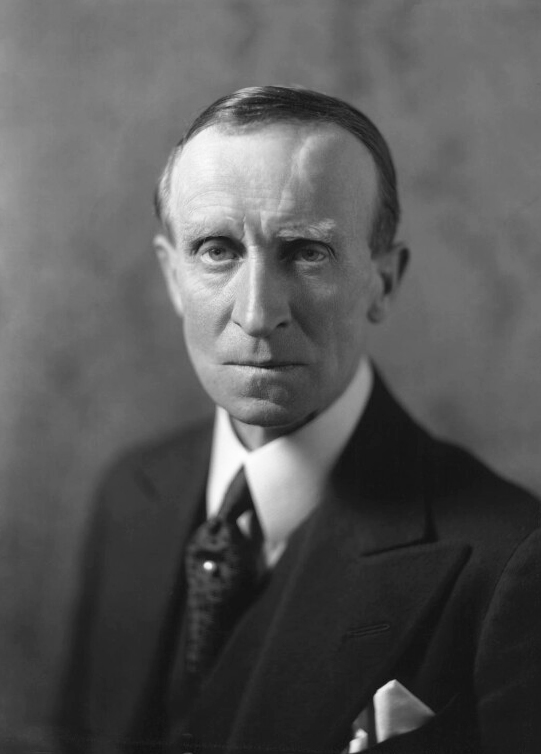
Scottish author John Buchan (1875–1940) was both an acclaimed writer of adventure novels and, as the Governor General of Canada, one of the most high-ranking colonial administrators in the British Empire. His political career usually took precedence over his writing, but he still managed to produce several iconic works of spy fiction, including his masterpiece The Thirty-Nine Steps.
John Buchan spoke at the Whitefriars Club on ‘The Press and the War’ on 26th January 1917. He had previously attended as a guest on 10th March 1911.
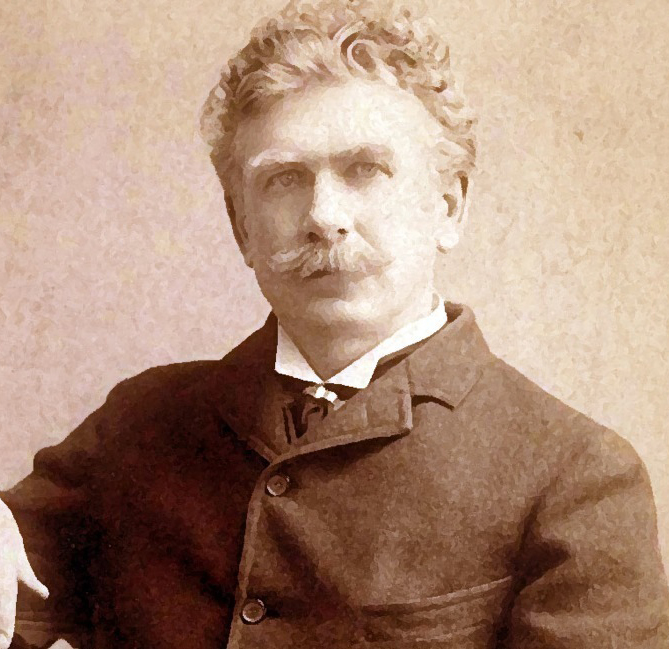
A celebrated journalist in his lifetime (the “Town Crier” of The San Francisco News Letter), Ambrose Bierce (1842–c.1914) was the author of sardonic, mischievous definitions of words that appeared in various San Francisco newspapers. Over several years these were compiled for a mock dictionary, originally published in 1906 as The Cynic’s Word Book and reissued in an expanded version as The Devil’s Dictionary in 1911.
Ambrose Bierce was a club guest when Mark Twain spoke for the first time at the club on 6th September 1872 on ‘Discovering Dr Livingstone’ (the “Immortal Dinner of 1872”).
Bierce introduced to the club the American poet, writer and journalist with German roots, Herman George Scheffauer (1876-1927). Scheffauer travelled to England in 1904 as the European correspondent for Town Talk, a society magazine. Bierce provided him with contact addresses in England, including that of the Whitefriars Club. On 15th July 1904 he wrote to him:
“So you are going to dwell with the degenerate Britishers a year. It is a grand scheme, but I hope you are not intending to live by literature, for I fear it can’t be done. […] I suppose there are still a few of the older generation of Londoners who may remember me——Geo. Byron Curtis, who I think is editor of the Standard; George R. Sims, author and playwright; possibly Austin Dobson, whom I didn’t know very well; and maybe some of the men of the Whitefriars’ Club if it is still in existence. I was, maybe still am, an honorary member, and when I was Secretary of the Bohemian Club I effected a mutual arrangement whereby members of the one club were entitled to the privilege of the other. Better see if that arrangement still holds, for it used to be a pleasant place to go. But that was before the deluge. The club had rooms at the old Mitre Tavern, of Dr. Johnson fame.”
Scheffauer did attend the Whitefriars dinners, and his name is recorded in two events in 1914 (27th March and 3rd April).
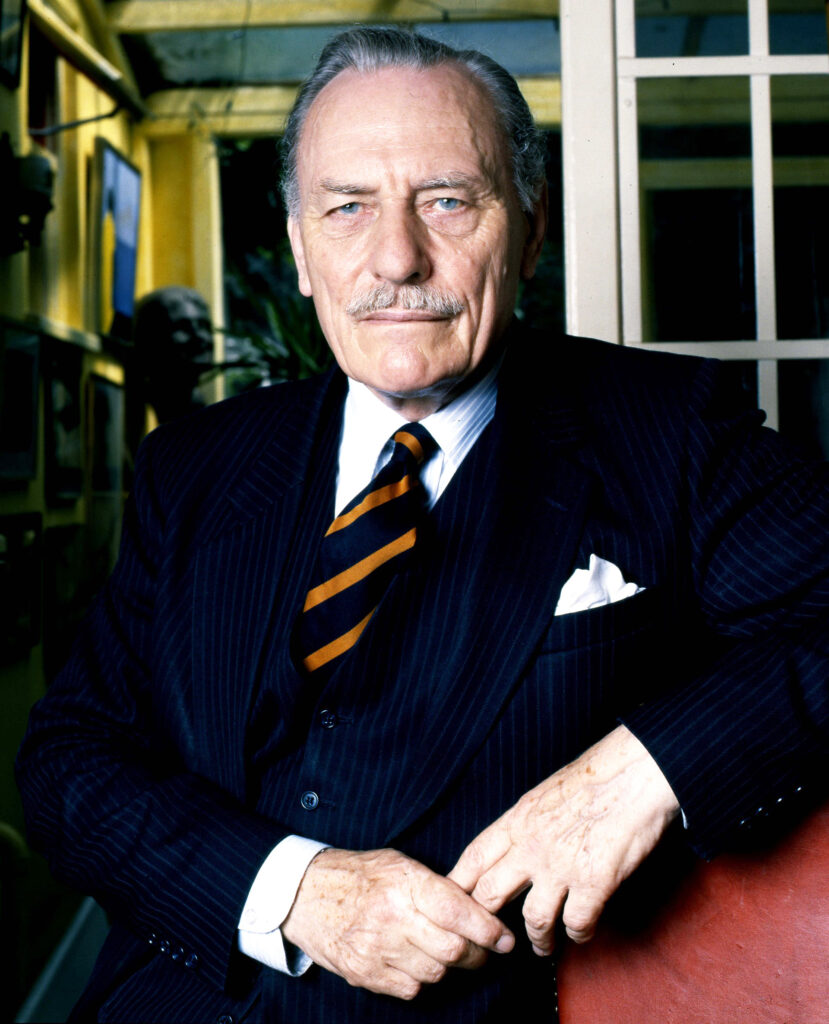
A classical scholar educated at Trinity College, Cambridge, Enoch Powell (1912–98) was a Conservative politician and one of the most divisive figures in recent British history, following his ‘Rivers of Blood’ speech of 20th April 1968.
Powell spoke at the Whitefriars Club later that year, on 19th September 1968.
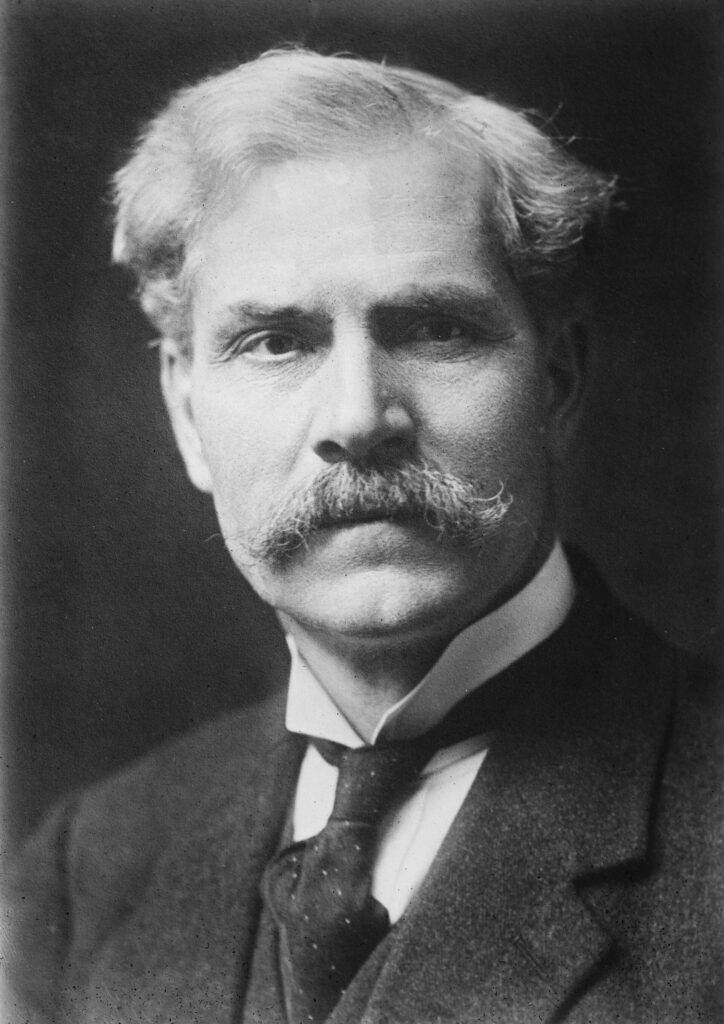
Ramsay MacDonald (1866–1937) was a labour politician who served as prime minister of the United Kingdom for nine months in 1924 and again from 1929 to 1931.
Ramsay MacDonald spoke at the Whitefriars Club on 7th October 1926, on the topic of ‘Philosophers and Poets in Public Life’.
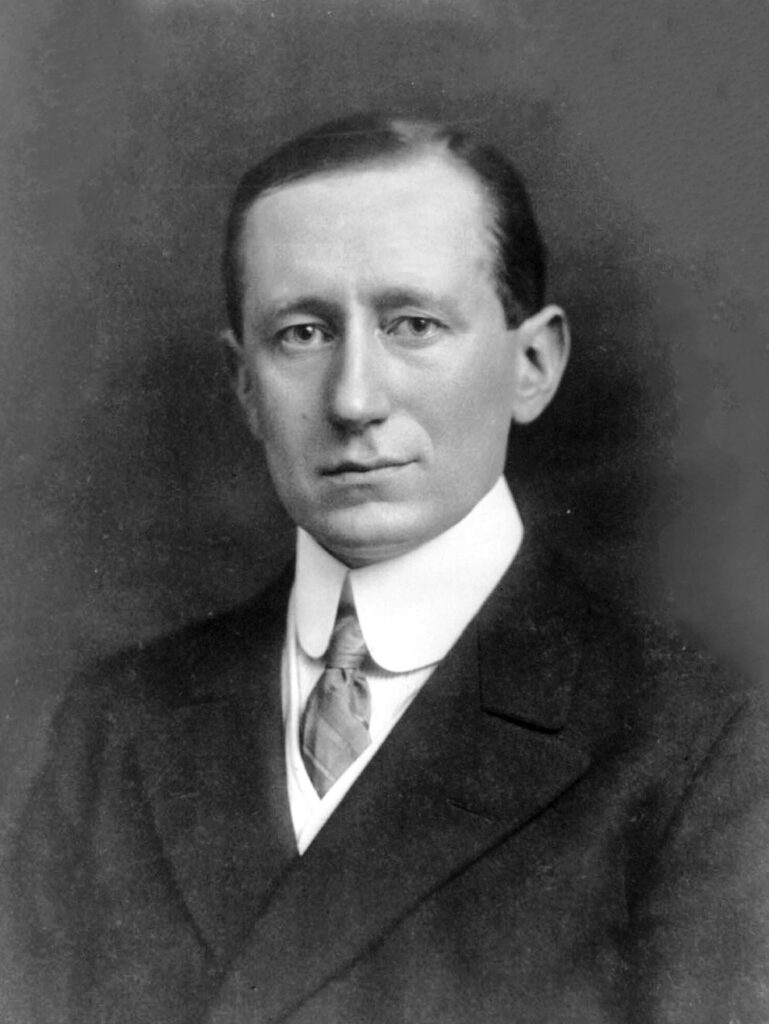
The Italian aristocrat Guglielmo Marconi (1874–1937) was an inventor and an electrical engineer, famous for his creation of the wireless telegraph, for which he was awarded the Nobel Prize in Physics in 1909.
Marconi was a club guest at the Annual Dinner at the Trocadero on 19th February 1904.
Sir Alex Douglas-Home (1903–95) was a Conservative politician who served as prime minister of the United Kingdom from 1963 to 1964.
He was a guest of the club at the Centenary Feast at Waldorf Hotel on 28th March 1968.
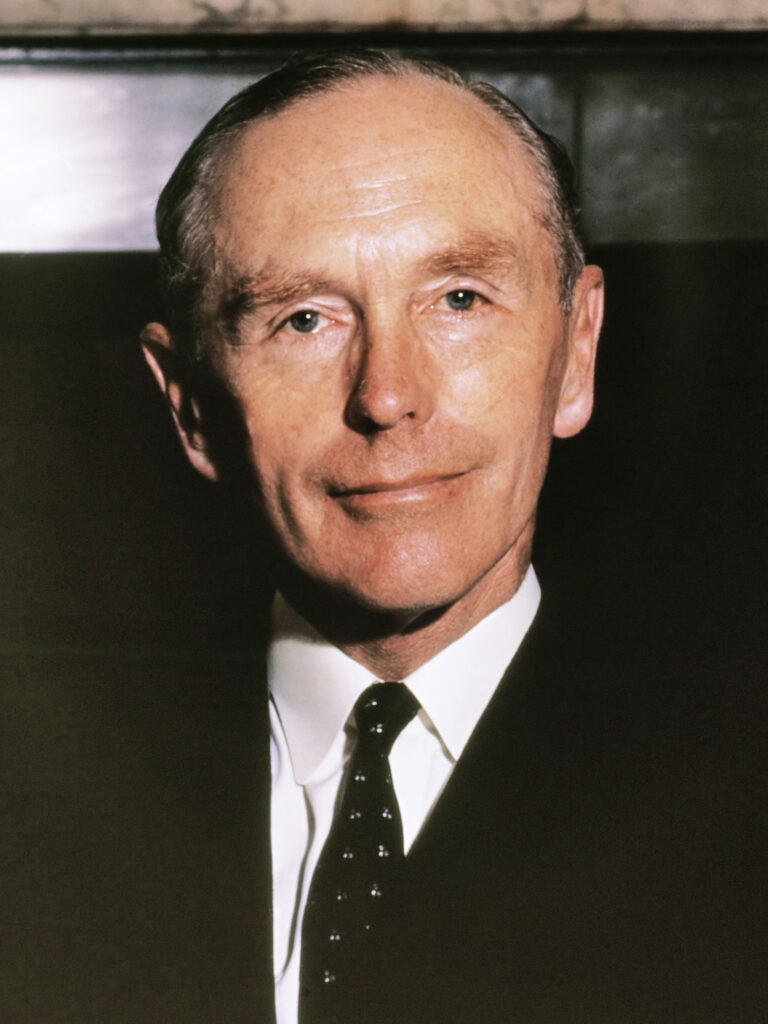
Walter de la Mare (1873–1956) was an acclaimed poet, short-story writer and novelist, best remembered today for his stories for children, including The Three Mulla Mulgars (1910, later retitled The Three Royal Monkeys).
De la Mare spoke at the Whitefriars Club on 23rd March 1923 on the subject of ‘The Personal Note in Literature’. He also attended as a guest on 7th May 1931.
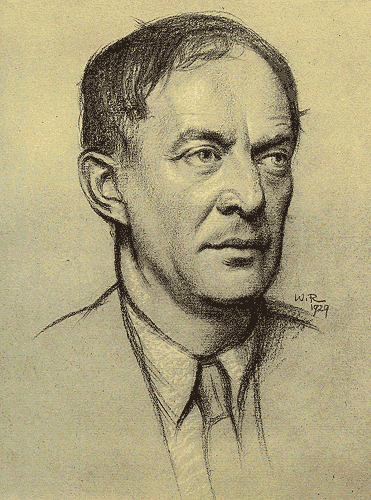
Sir J.M. Barrie (1860–1937) was a prolific Scottish playwright and novelist who is now best remembered for his play Peter Pan and its spin-off novel Peter and Wendy.
Sir J.M. Barrie attended as a guest on 10th October 1902, when the club’s guest speaker was Neil Munro, who talked about ‘The Celtic Fringe’.
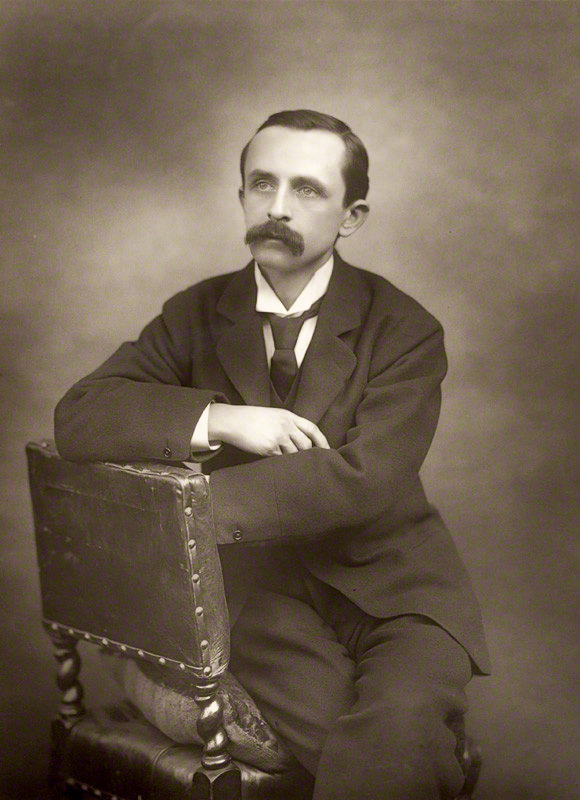
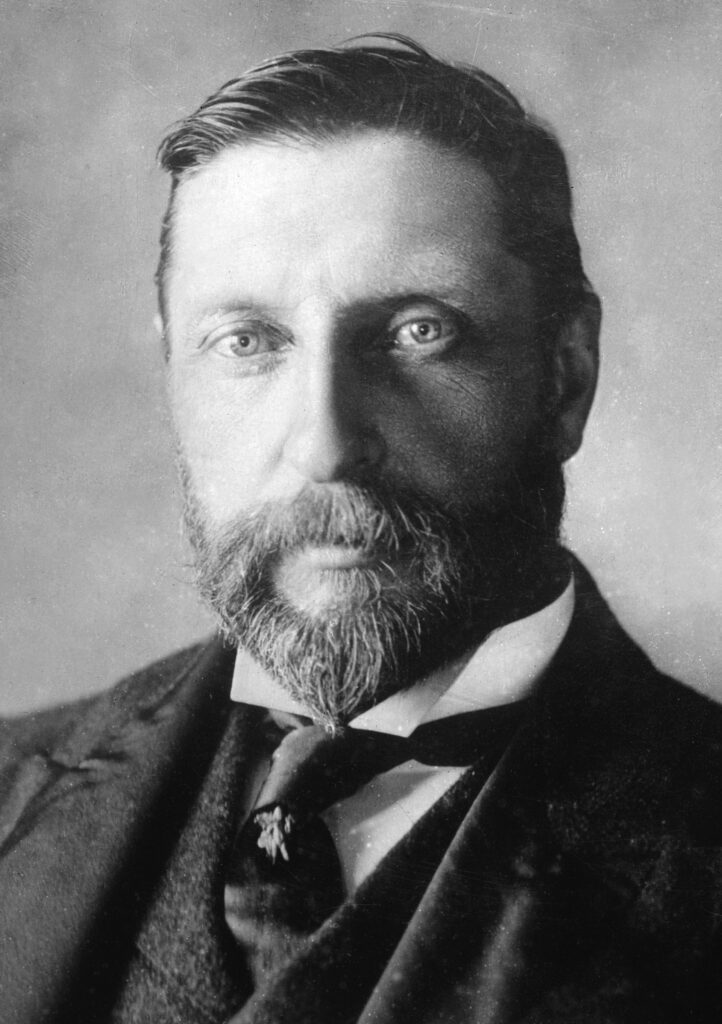
Sir Henry Rider Haggard (1856–1925) was an English writer of adventure books set in exotic locations, the most famous of which are King Solomon’s Mines and She.
H. Rider Haggard spoke at the Whitefriars Club on the topic of ‘The Rush to the Towns’ on 24th April 1903.